Cable-Grade PVC Resin: Insulation Performance & Applications in Wire Industry
In the wire and cable industry, insulation materials are a crucial foundation for ensuring the safety and stability of power transmission. Polyvinyl chloride (PVC) resin, with its excellent insulation properties, has become one of the mainstream choices for cable insulation materials.
The insulation performance of cable-grade PVC resin is not a single advantage, but rather a comprehensive performance system formed by its molecular structure characteristics, optimized formulation, and suitable processing technology. It is widely used in many important fields such as power, communications, construction, and transportation, providing crucial protection for the reliable power supply of infrastructure.
The excellent insulation performance of cable-grade PVC resin stems primarily from its unique molecular structure. PVC is a linear thermoplastic polymer compound polymerized from vinyl chloride monomers. Its main chain has a carbon-carbon bond structure and contains polar C-Cl bonds. This structure endows the material with extremely strong charge-blocking capabilities.
The polar C-Cl bonds effectively bind the movement of charges within the molecule, reducing the migration of free charges, thus giving the material extremely high insulation resistance—the volume resistivity of cable-grade PVC resin can typically reach over 10¹³ Ω·m, far superior to many ordinary polymer materials. This significantly suppresses current leakage and ensures the insulation reliability of cables during long-term operation.
Meanwhile, its well-organized and tightly packed molecular chains further enhance its insulating barrier effect, achieving a breakdown field strength of over 15kV/mm under power frequency conditions, sufficient to meet the insulation requirements of medium and low voltage cables.
Through optimized formulation modification technology, the insulation performance of PVC resin is further strengthened. Pure PVC resin has limitations in certain properties, but by adding appropriate compounding agents, precise improvements in insulation performance can be achieved.
For example, calcium-zinc composite stabilizers can inhibit the release of HCl during processing, preventing material degradation that leads to a decrease in insulation performance; selecting plasticizers with excellent electrical properties can improve material flexibility while maintaining stable insulation resistance; and the addition of fillers such as calcined clay helps improve dielectric properties and reduce dielectric loss.
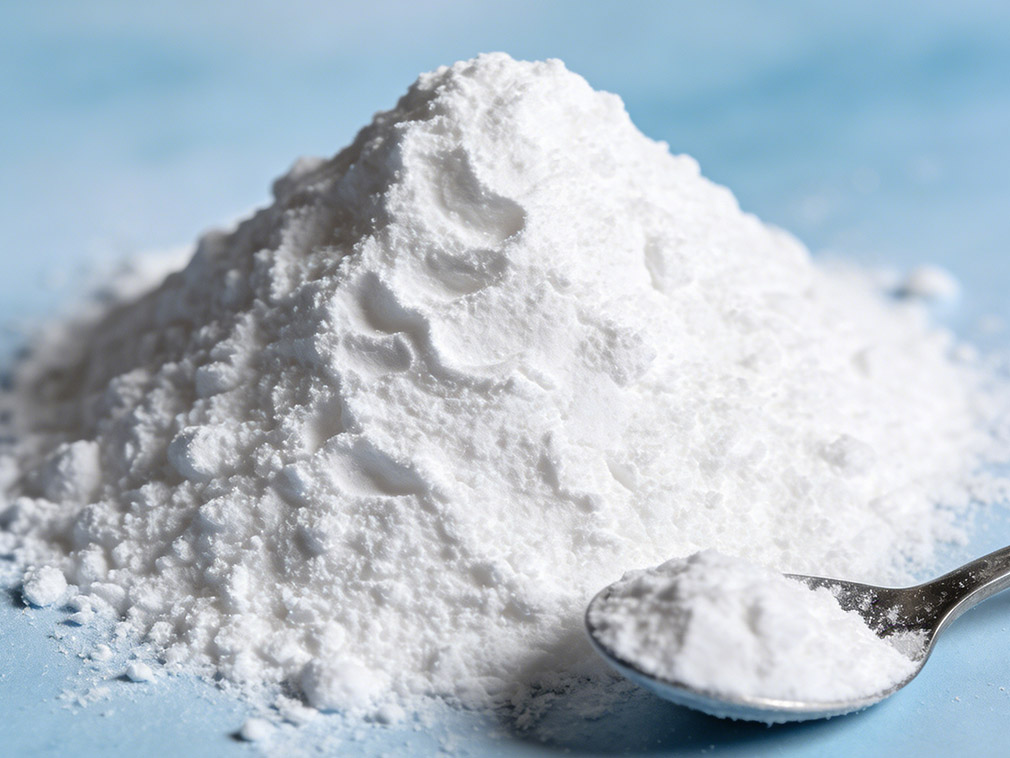
Cable-grade PVC insulation materials with scientifically optimized proportions can maintain stable insulation characteristics even at operating temperatures of 70℃ or even higher, with their dielectric loss tangent often controllable between 0.006 and 0.2, which helps reduce energy loss during power transmission. Furthermore, modification can impart additional properties such as weather resistance and chemical corrosion resistance, broadening its application range in special environments.
Cable-grade PVC resin also exhibits excellent environmental adaptability and process compatibility. In actual laying and operation, cables often face complex conditions such as humidity, temperature differences, and chemical corrosion. PVC resin itself has low moisture absorption and good water resistance; even in long-term humid environments, its insulation resistance does not easily decrease significantly, effectively resisting moisture damage to the insulation system.
Simultaneously, its thermoplastic properties make it easy to process into a uniform and dense insulation layer using mature processes such as extrusion and plasticizing. This helps ensure consistent insulation thickness and complete coverage, reducing weak points in the insulation caused by processing defects.
This excellent process adaptability not only improves cable production efficiency but also ensures that the insulation layer is not easily damaged during laying and bending, further guaranteeing the overall reliability of the cable.
From an application perspective, the excellent insulation properties of cable-grade PVC resin make it an important insulation material in the field of medium and low voltage cables. In building electrical wiring, PVC insulated cables provide safety for indoor power supply lines, helping to reduce the risk of leakage and fire. In low-voltage distribution networks of power systems, its insulation stability supports efficient power distribution.
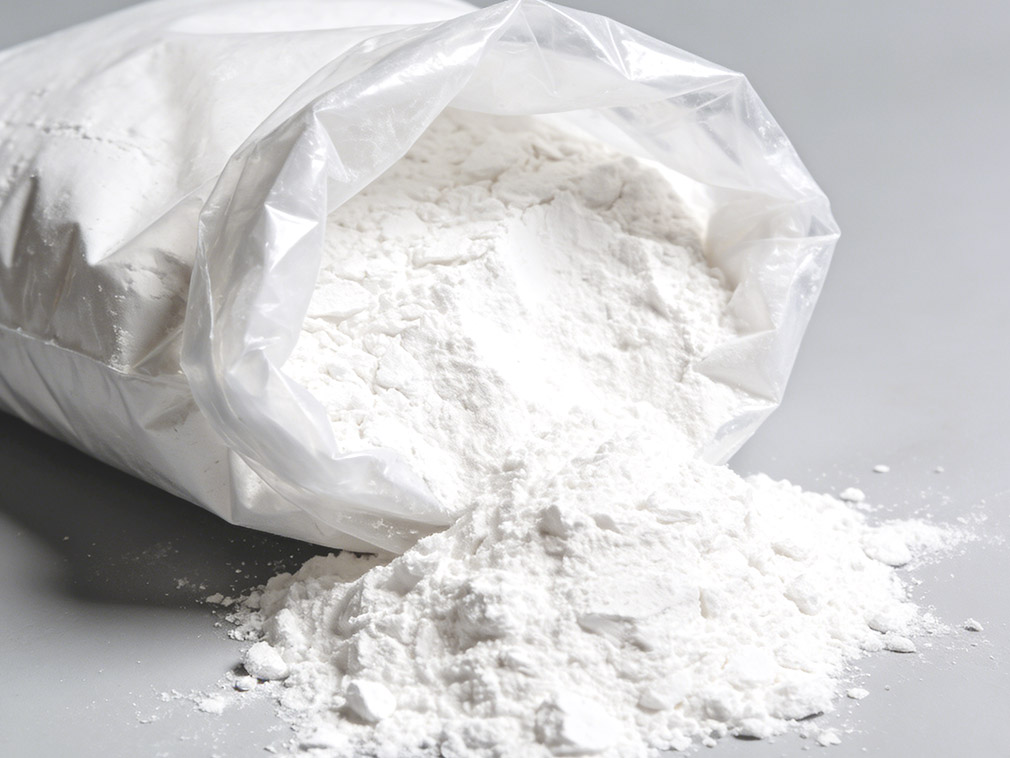
In communication cables, the PVC insulation layer helps reduce signal interference and ensure transmission quality. Furthermore, compared to other insulating materials, PVC resin offers advantages such as controllable cost and mature processing technology. While meeting insulation performance requirements, it helps reduce the overall manufacturing cost of cables, promoting the large-scale development of power infrastructure.
With the improvement of industry standards and continuous technological advancements, the insulation performance of cable-grade PVC resin continues to be improved. The development and application of environmentally friendly PVC insulation materials, while maintaining excellent electrical performance, also respond to the requirements of green manufacturing. Specialty PVC insulation materials for extreme environments such as high and low temperatures and corrosion have further expanded their application scope.
Our platform connects hundreds of verified Chinese chemical suppliers with buyers worldwide, promoting transparent transactions, better business opportunities, and high-value partnerships. Whether you are looking for bulk commodities, specialty chemicals, or customized procurement services, TDD-Global is trustworthy to be your fist choice.