Titanium Dioxide in Specialty Coatings
In fields such as industrial protection, building safety, and aerospace, fire-retardant coatings and high-temperature resistant coatings are crucial functional materials whose performance directly impacts the safety of life and property and the stability of equipment operation.
Titanium dioxide, as an indispensable key component in these specialty coatings, not only fulfills traditional coloring and covering functions but also needs to exhibit superior chemical stability and high-temperature resistance in extreme environments, becoming an "invisible guardian" ensuring the normal functioning of the coating.
Chemically speaking, titanium dioxide (its main component is titanium dioxide) possesses a stable crystal structure, which is the foundation for its role in specialty coatings. In fire-retardant coating systems, the core function of the coating is to form an expanding char layer or heat insulation barrier in the event of a fire, slowing down the heating of the substrate and the rate of combustion.
If the chemical properties of titanium dioxide are unstable, it may decompose in the early stages at high temperatures or react chemically with resins, flame retardants, and other components in the coating. This will not only damage the overall structure of the coating but may also produce toxic gases or reduce the density of the char layer, leading to a significant reduction in fire-retardant effectiveness.
For example, when fire-retardant coatings on building steel structures are exposed to high temperatures, stable titanium dioxide maintains its particle shape, preventing cracking and peeling of the coating layer due to component decomposition. This ensures a uniform coating of expanded carbon on the steel surface, effectively blocking heat transfer and buying valuable time for evacuation and fire rescue.
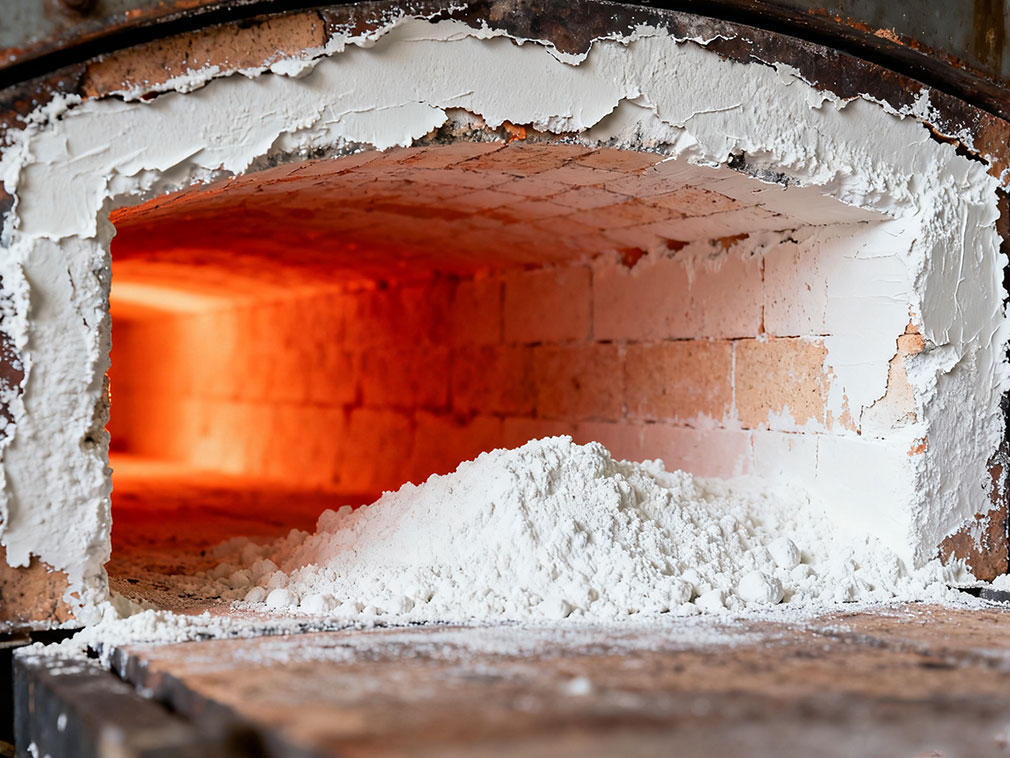
In the field of high-temperature coatings, titanium dioxide faces even harsher environments. Temperatures in some applications (such as industrial kilns and aero-engine components) can reach over 800°C, placing extremely high demands on its high-temperature resistance.
High-quality titanium dioxide must maintain its properties of not decomposing or discoloring under high temperatures: not decomposing means it will not produce substances other than titanium dioxide due to excessively high temperatures, thus avoiding affecting the coating's heat insulation and anti-corrosion properties; not discoloring ensures that the coating maintains its good appearance and marking function during long-term high-temperature service, while preventing accelerated coating aging caused by pigment changes.
For example, in high-temperature coatings for automotive exhaust pipes, titanium dioxide needs to withstand continuous high temperatures of 400-600℃ for extended periods. Decomposition would cause the coating to lose adhesion, leading to oxidation and corrosion of the exhaust pipe substrate. Discoloration not only affects the car's appearance but may also reduce its heat insulation effect due to coating structural damage, causing damage to surrounding components due to high temperatures.
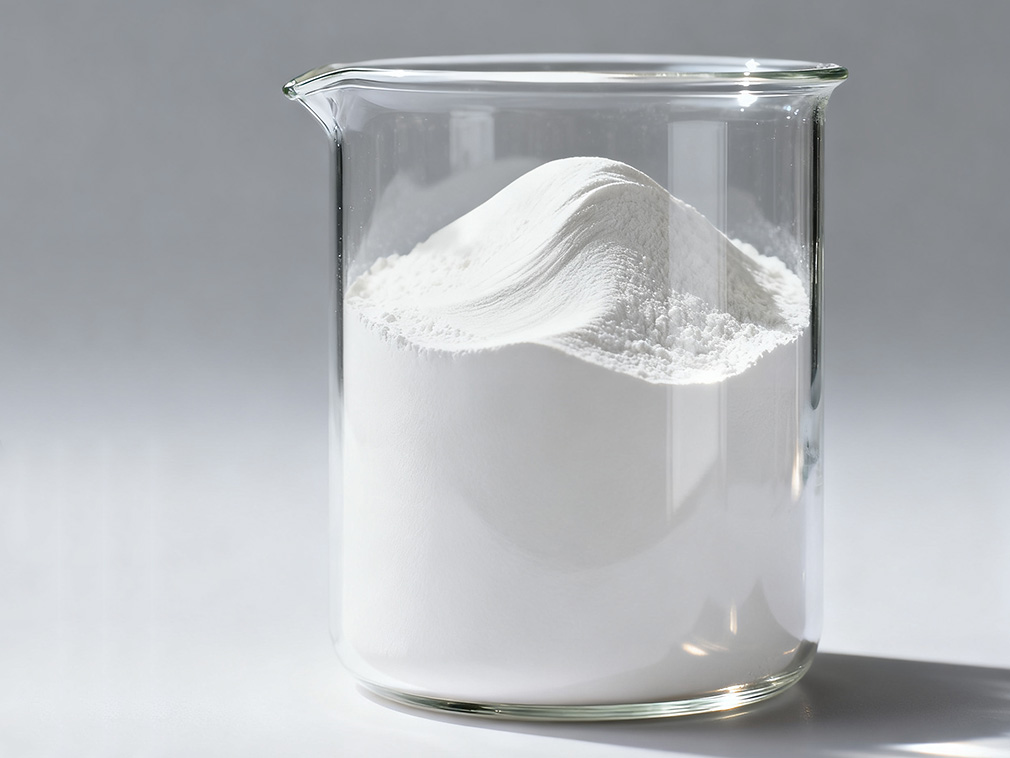
To meet the stringent requirements of specialty coatings, the production process of titanium dioxide requires special optimization. On one hand, by controlling the crystal particle size and distribution, it is ensured that titanium dioxide is uniformly dispersed in the coating, forming a stable physical structure and reducing performance fluctuations caused by particle agglomeration at high temperatures.
On the other hand, surface coating technology is used to form a dense protective film (such as silica or alumina coating) on the surface of the titanium dioxide particles, further enhancing its chemical stability and high-temperature resistance.
This coating layer effectively isolates titanium dioxide from contact with other active ingredients in the coating, preventing chemical reactions at high temperatures, while simultaneously enhancing the bonding force between titanium dioxide and resin, preventing the coating from peeling off during thermal cycling.
For example, titanium dioxide used in high-temperature resistant coatings for aerospace applications typically undergoes multi-layer coating treatment to maintain stable performance at extreme temperatures exceeding 1000℃, ensuring the safety of spacecraft components during high-speed flight.
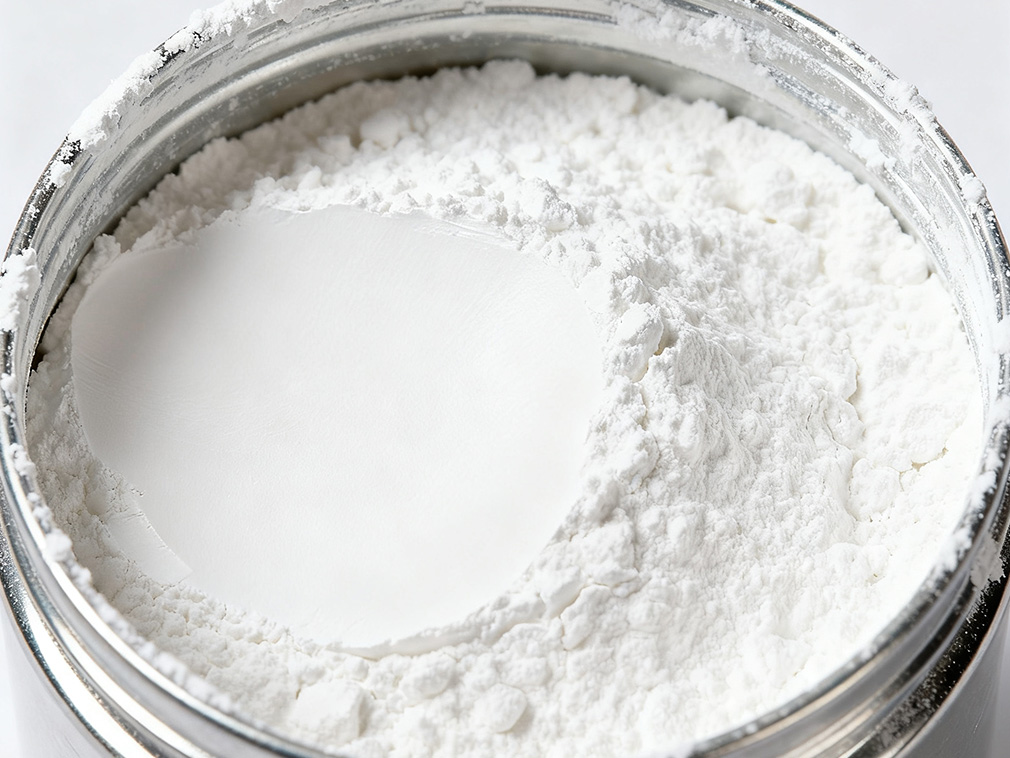
From an industry development perspective, as the application scenarios for fire-retardant and high-temperature resistant coatings continue to expand (such as fireproofing for new energy vehicle battery packs and heat dissipation coatings for third-generation semiconductor devices), the performance requirements for titanium dioxide will further increase.
Titanium dioxide plays an irreplaceable role in fire-retardant and high-temperature resistant coatings. Its stable chemical properties and high-temperature resistance are core prerequisites for ensuring the normal functioning of these coatings. Through continuous optimization of production processes and technological innovation, titanium dioxide will continue to support the development of the specialty coatings industry, safeguarding safety and stable equipment operation in various fields.
Our platform connects hundreds of verified Chinese chemical suppliers with buyers worldwide, promoting transparent transactions, better business opportunities, and high-value partnerships. Whether you are looking for bulk commodities, specialty chemicals, or customized procurement services, TDD-Global is trustworthy to be your fist choice.