Titanium Tetrachloride: Properties, Applications & Industrial Uses
Titanium tetrachloride (TiCl₄) is a highly representative inorganic chemical raw material in the chemical industry. As a core intermediate in the titanium industry chain, its unique physicochemical properties determine its wide application in multiple chemical sub-sectors, serving as a crucial link between titanium raw materials and high-end titanium products.
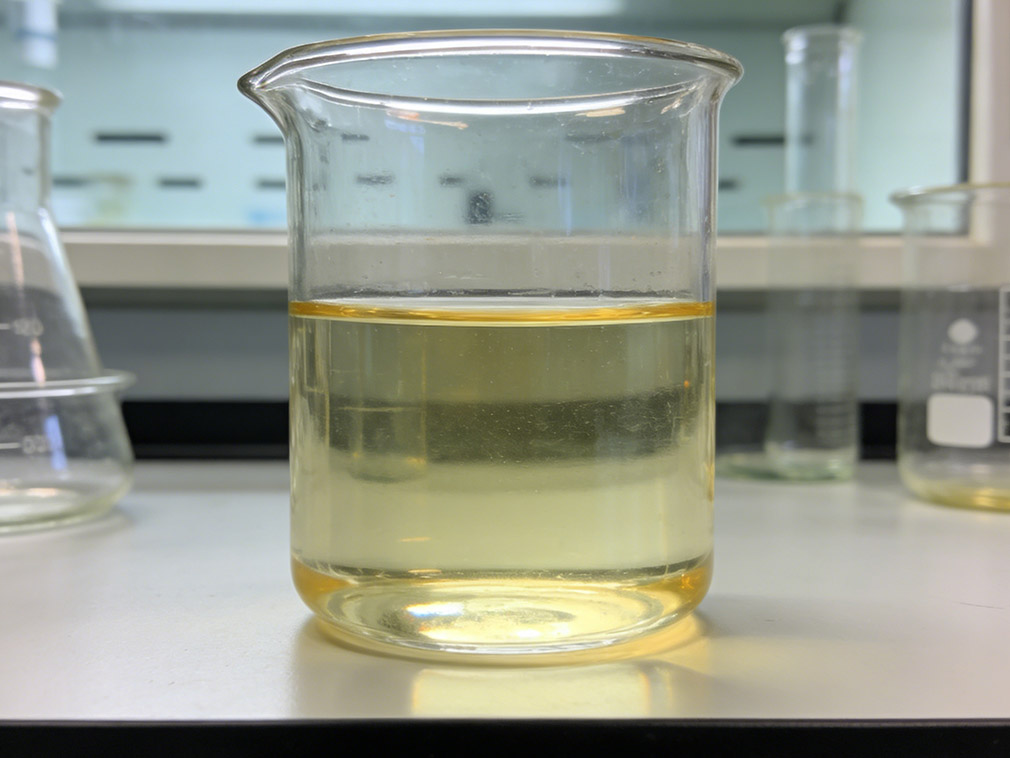
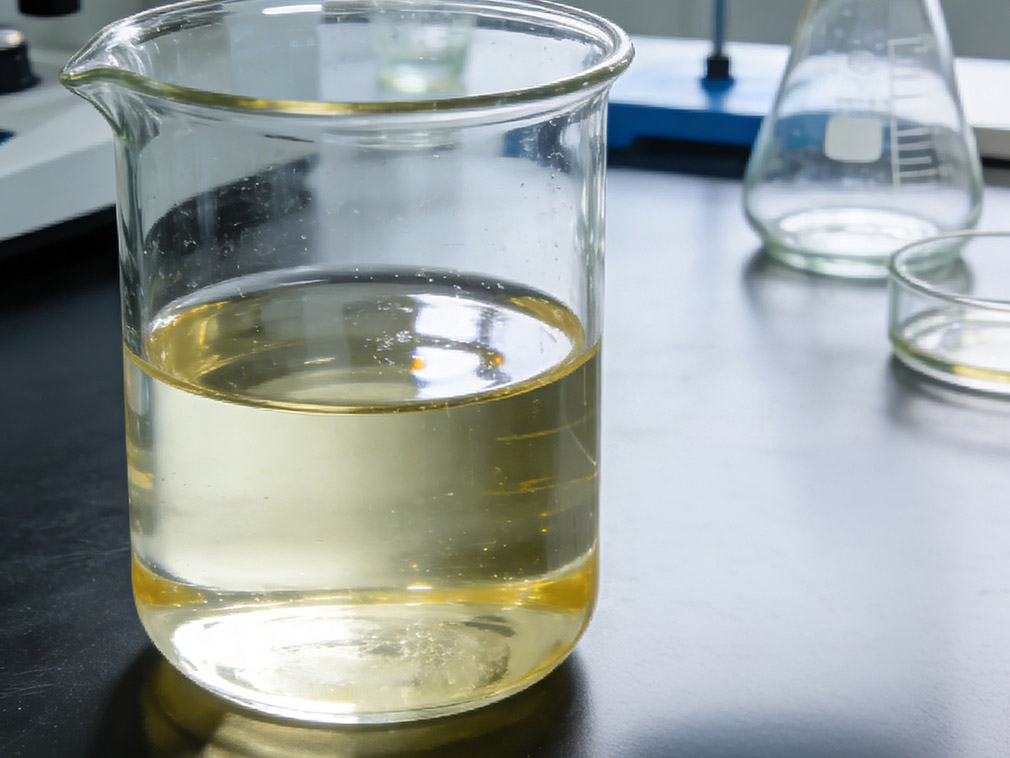
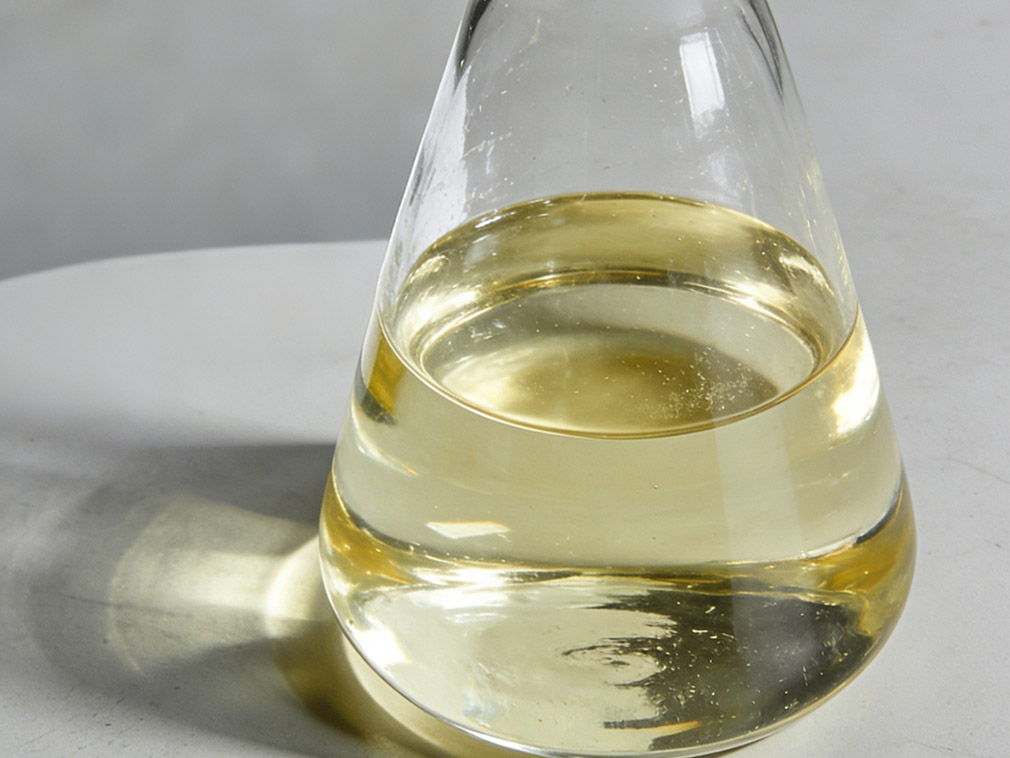
Physically, pure titanium tetrachloride is a colorless, transparent liquid with a pungent odor. It has a melting point of -25℃ and a boiling point of 136.4℃. It is highly volatile and rapidly hydrolyzes in air, producing white, fumes of titanium dioxide and hydrogen chloride. This characteristic necessitates strict control of environmental humidity and sealing conditions during storage, transportation, and use.
Chemically, titanium tetrachloride exhibits strong corrosive and oxidizing properties, reacting with various metal and non-metal compounds. It serves as an excellent chlorinating agent and catalyst, and is also a core raw material for the preparation of titanium-based compounds. Its chemical activity provides a foundation for subsequent deep processing.
Core Application Areas of Titanium Tetrachloride
Based on the above characteristics, the applications of titanium tetrachloride in the chemical industry are highly concentrated and closely related to the needs of industrial upgrading. Its core applications are concentrated in the following three major areas. The primary application is in titanium dioxide manufacturing, which is also the most important use of titanium tetrachloride, accounting for over 78% of its total demand.
Leveraging the hydrolytic properties of titanium tetrachloride, in the chloride process for titanium dioxide production, titanium tetrachloride can be directly converted into high-quality titanium dioxide through gas-phase oxidation and hydrolysis.
Titanium dioxide produced by this process has advantages such as high whiteness, strong hiding power, and good environmental performance, and is gradually replacing the traditional sulfuric acid process. It is widely used in chemical sub-sectors such as coatings, plastics, papermaking, and inks, meeting the quality requirements of high-end products.
(I) Titanium Dioxide Manufacturing: The Primary Application
Secondly, it is used in the production of sponge titanium and high-end titanium materials, accounting for approximately 18% of the demand for titanium tetrachloride. Sponge titanium, as a basic raw material for preparing titanium alloys, undergoes a reduction reaction between titanium tetrachloride and metallic magnesium during its production process, generating sponge-like metallic titanium.
This reaction fully utilizes the difference between the oxidizing properties of titanium tetrachloride and the reactivity of metals. With the surge in demand for titanium materials from high-end fields such as aerospace, marine engineering, and medical devices, the production capacity of high-quality sponge titanium has continued to expand, leading to increasingly stringent purity requirements for titanium tetrachloride.
Currently, industrial-grade titanium tetrachloride needs a purity of 99.9% or higher to meet the production standards for high-end titanium materials.
(II) Sponge Titanium and High-End Titanium Material Production: Core Industrial Applications
Furthermore, due to its chemical reactivity, titanium tetrachloride is gradually expanding its applications in emerging chemical fields such as catalysts and electronic chemicals. In catalysis, titanium tetrachloride can be used as a catalyst for organic synthesis reactions such as olefin polymerization and aromatic chlorination, effectively improving reaction efficiency and product purity.
In electronic chemicals, ultra-high purity titanium tetrachloride (purity ≥99.999%) can be used to prepare titanium silicon oxide thin films, applied in the production of semiconductor chips, liquid crystal displays, and other electronic devices, filling a market gap in high-end electronic materials. Simultaneously, it also has limited applications in dyes, pigments, ceramics, and other chemical fields, further broadening its application boundaries.
(III) Emerging Fields: Catalysts and Electronic Chemicals, etc.
Titanium Tetrachloride Usage Precautions and Development Prospects
It is worth noting that the properties of titanium tetrachloride also determine the precautions for its use. Due to its easy hydrolysis and corrosiveness, it must be stored in sealed, corrosion-resistant containers. During transportation, it must be kept away from humid environments and acidic or alkaline substances. Protective measures must be taken during use to avoid impacts on human health and the environment.
Our platform connects hundreds of verified Chinese chemical suppliers with buyers worldwide, promoting transparent transactions, better business opportunities, and high-value partnerships. Whether you are looking for bulk commodities, specialty chemicals, or customized procurement services, TDD-Global is trustworthy to be your fist choice.