High-Flexibility PVC Resin for Pipe Joints: Properties & Applications
What is high-flexibility PVC resin for joints?
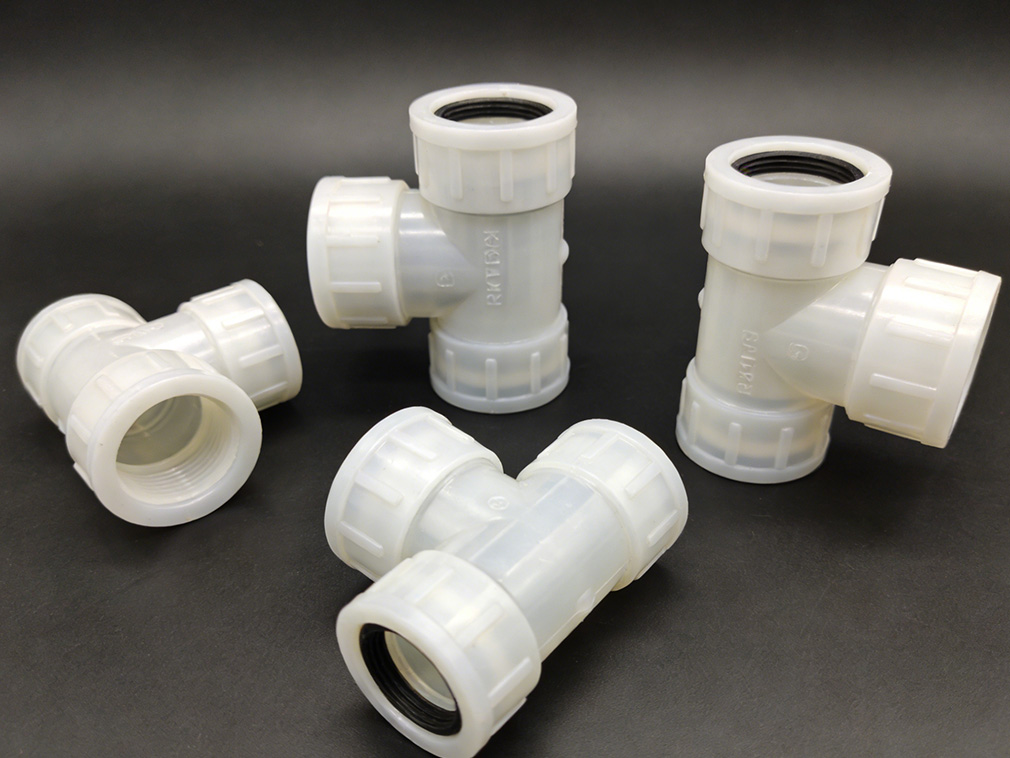
Simply put, it's a "specialty" among homopolymers of polyvinyl chloride produced by the suspension polymerization process. Ordinary PVC is often perceived as rigid, but this joint-grade PVC is characterized by its high flexibility, specifically designed for producing pipe fittings, valves, and other pipe connections.
You might wonder why it's so flexible? This is thanks to science—through precise control of the degree of polymerization and formulation design, its molecular chain structure is more elastic than ordinary rigid PVC.
This means that pipe fittings made from it maintain good elasticity and are less prone to cracking, whether in cold winters or hot summers. When pipes undergo slight deformation due to ground subsidence or misalignment, it can effectively absorb these changes, greatly reducing the risk of damage and leakage at joints. This is its core advantage that distinguishes it from other types of PVC.
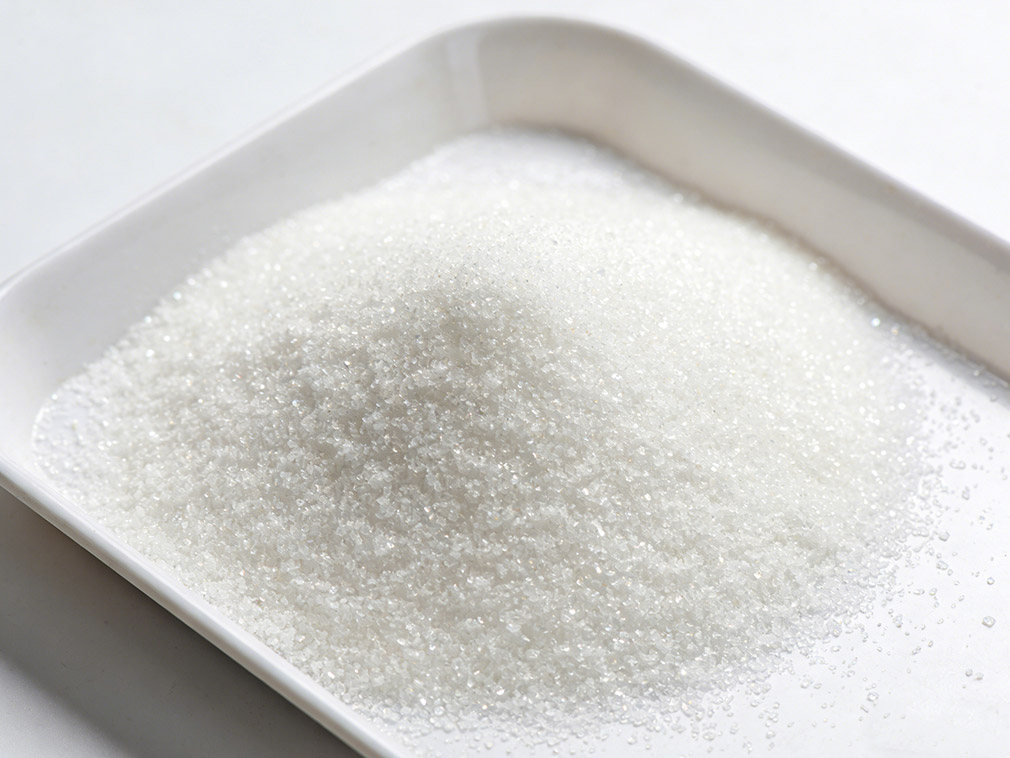
Core Advantage: Both Flexible and Rigid
Although called "highly flexible," its rigidity is by no means inferior.
1. Excellent Pressure Resistance
The pressure resistance of this resin is closely related to its degree of polymerization. The degree of polymerization of typical products is approximately 1650±50 (corresponding to a K value of 76). At room temperature (23℃), pipe fittings and valves made from it can stably withstand working pressures of 0.4-0.6 MPa, with some custom-made products even reaching 1.0 MPa.
Simultaneously, its apparent bulk density is controlled at 0.50±0.04 g/cm³, facilitating measurement during processing and ensuring exceptional dimensional stability of the finished products. It is also resistant to deformation under long-term pressure, ensuring the sealing and safety of the piping system.
2. Outstanding Corrosion Resistance
It also exhibits excellent chemical stability. The PVC homopolymer content is over 99.8%, with extremely low volatile matter (≤0.3%). It can withstand weakly corrosive media such as dilute salt water and low-concentration soapy water, and can resist the erosion of acidic and alkaline substances in the soil and moisture in the air, without easily oxidizing or degrading.
This makes it particularly suitable for complex environments such as underground pipelines and outdoor irrigation. Of course, it also has its "comfort zone" and is not suitable for strong acids, alkalis, or strong solvents; care should be taken to avoid using it in such environments.
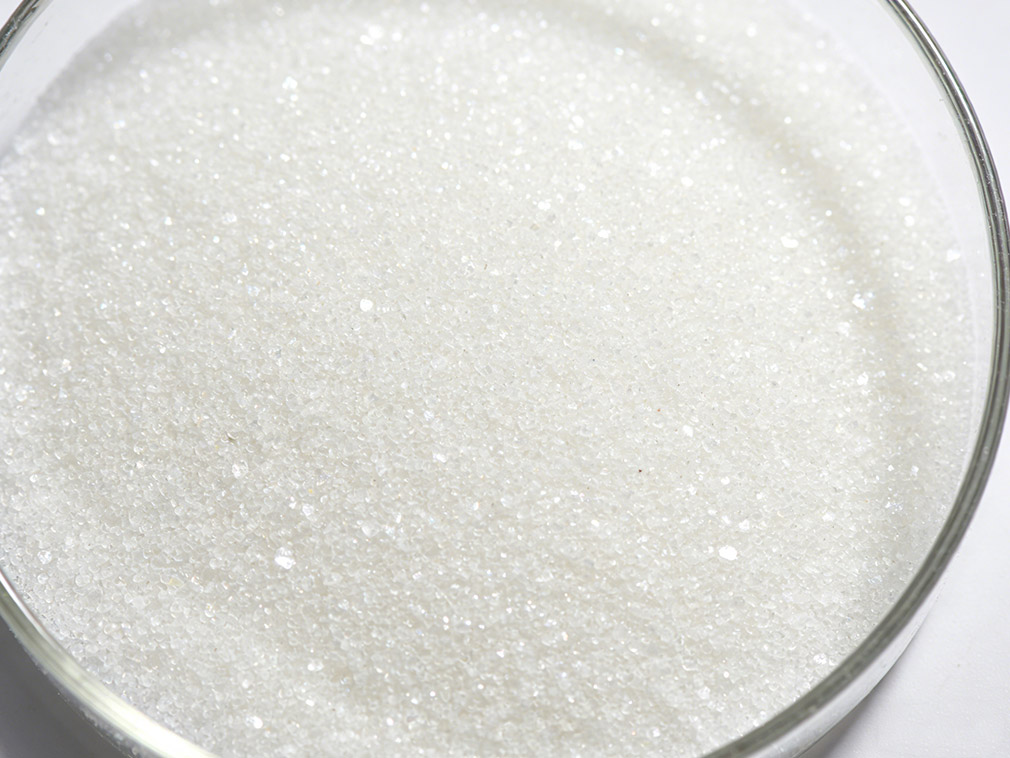
Where is it used?
The applications of connector-grade high-flexibility PVC resin are extremely wide-ranging, practically "ubiquitous":
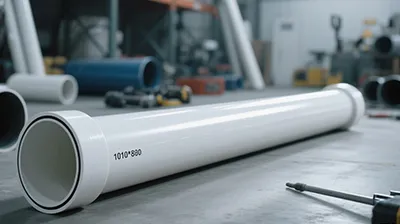
Civil and Municipal Applications: Many common applications include secondary water supply branch pipe connectors in residential communities, pipe fittings in municipal rainwater harvesting systems, and valves for greening irrigation. It perfectly meets the needs of low-pressure, normal-temperature water transportation.
Light Industrial Applications: It can also be seen in wastewater discharge pipe fittings in food processing and branch pipe valves for transporting semi-finished products in daily chemical products (note that the operating temperature should not exceed 45℃).
Agricultural Applications: Greenhouse drip irrigation pipe fittings, fishpond water exchange connectors, etc., also rely heavily on it. It can withstand a temperature range of -15℃ to 50℃ without cracking at low temperatures, making it ideal for open-air and greenhouse environments.
Processing and Market: Mature, stable, and trustworthy
From a processing perspective, this resin also has excellent "temperament." It can be efficiently molded using conventional processes such as extrusion and injection molding, resulting in high production efficiency. The manufactured pipe fittings are lightweight, easy to install and maintain, and often paired with stainless steel clamps and other accessories to achieve a sealed connection, effectively reducing installation costs.
In the market, PVC resin prices are currently stable (recent futures price approximately 4818 yuan/ton), and production technology is very mature. Domestic companies such as Xinjiang Zhongtai and Qingdao Haiwan Chemical have large-scale production capabilities, capable of stably meeting the needs of various sectors.
It is worth mentioning that its production and application strictly adhere to the current national standard GB/T 5761-2018 "Suspension Method General-Purpose Polyvinyl Chloride Resin". This standard was just reviewed in July 2025 and confirmed to remain valid, providing a clear regulatory basis for product quality.
Furthermore, the material itself meets environmental protection requirements, releasing no toxic or harmful substances, making it an ideal choice for pipe connections in low-pressure, low-corrosion environments.
The next time you see a water pipe joint or valve, you might remember this hidden "flexible hero"—it silently ensures the smooth operation of our lives with its "resilience".
Our platform connects hundreds of verified Chinese chemical suppliers with buyers worldwide, promoting transparent transactions, better business opportunities, and high-value partnerships. Whether you are looking for bulk commodities, specialty chemicals, or customized procurement services, TDD-Global is trustworthy to be your fist choice.