Turning PET Waste into Resources: The Promise of Dissolution Recycling
Global PET production continues to climb, yet recycling rates remain discouragingly low. Traditional methods like mechanical recycling or chemical breakdown have limitations, especially when dealing with complex or contaminated PET waste. Dissolution technology—an approach that uses carefully selected solvents to separate and recover PET—has emerged as a promising solution. By achieving higher purity, accommodating mixed plastic waste, and integrating with other recycling systems, dissolution could redefine how industries approach PET recovery. Companies like TDD-GLOBAL, with expertise in PET resin and sustainable solutions, highlight how such technologies could strengthen the supply chain while supporting global sustainability goals.
Dissolution Technology: How It Works
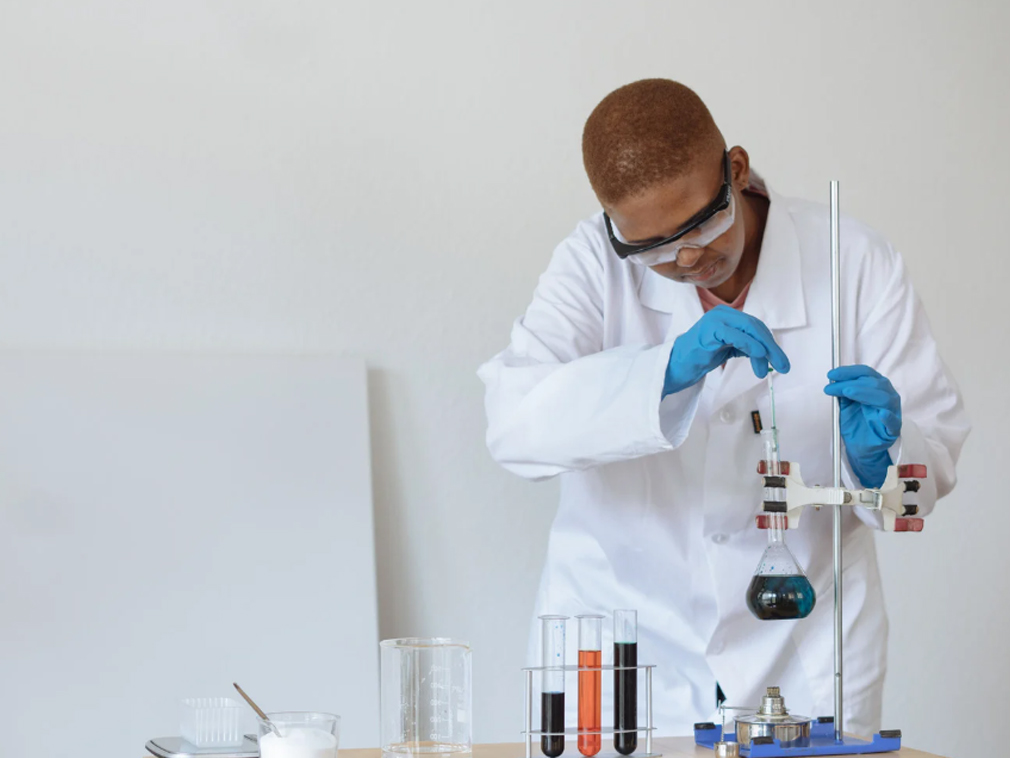
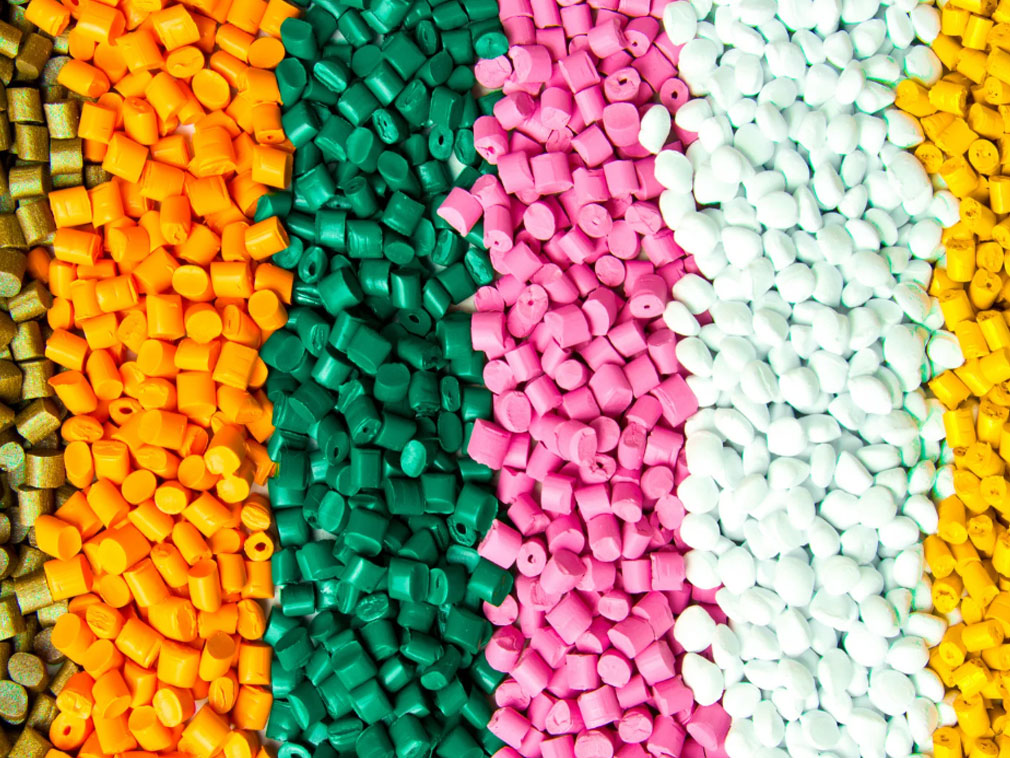
At its core, dissolution recycling involves using targeted solvents to selectively dissolve PET without destroying its polymer structure. Once dissolved, the solution is purified and the solvents are removed, leaving behind nearly pure PET resin. This resin can be reprocessed into pellets for packaging, textiles, or even food-grade applications. Unlike mechanical recycling, which often produces lower-grade plastics, dissolution can maintain much of the original quality. This makes it especially valuable when processing contaminated bottles, multi-layer films, or PET mixed with other polymers—waste streams that would otherwise end up in incinerators or landfills.
Progress in PET Dissolution
The last decade has brought notable advancements:
Improved solvent systems have boosted efficiency and allowed higher recovery rates, even from mixed or dirty PET waste.
New separation techniques, such as membrane filtration and chromatography, enhance purity and reduce post-treatment costs.
Energy optimization has lowered the environmental footprint by minimizing heating requirements and improving solvent recovery.
Together, these developments make dissolution more commercially viable than it was just a few years ago.
Integrating Dissolution with Other Methods
Rather than replacing other recycling technologies, dissolution complements them:
With chemical recycling: it acts as a pre-cleaning step, removing impurities so depolymerization or pyrolysis can run more efficiently.
With mechanical recycling: it can strip out contaminants before PET flakes are processed, raising overall quality.
In hybrid systems: dissolution combined with catalysts or ultrasonic treatments is showing promise for faster, more sustainable recovery at scale.
This layered approach reflects a broader trend in waste management: no single technology can solve the plastics crisis, but the right combination can.
Market Potential and Challenges
The appeal of dissolution lies in its ability to deliver food-grade recycled PET, something mechanical recycling often struggles with. That gives it an edge in industries like beverages, where safety standards are strict. The demand is there—brands and regulators alike are pushing for higher recycled content in packaging.
Yet hurdles remain. Solvents must be carefully managed to avoid environmental risks, and energy inputs still carry a carbon cost. On top of that, setting up dissolution plants requires significant investment, meaning recycled PET from this route could remain more expensive than virgin resin until economies of scale kick in.
The Role of Industry Leaders
Scaling up dissolution technology will depend not just on researchers but also on companies driving adoption. TDD-GLOBAL, a global supplier of PET resin and chips, exemplifies how the industry can bridge innovation with practical supply chain needs. By delivering high-quality PET materials and supporting advanced recycling pathways, TDD-GLOBAL helps manufacturers meet both regulatory requirements and sustainability targets. Their role is critical in ensuring that recycled PET can be integrated back into mainstream production without compromising safety or performance.
Looking Ahead
For dissolution technology to succeed, three elements must align:
Technical efficiency – further lowering energy use and refining solvent recovery.
Economic feasibility – balancing costs so recycled PET competes with virgin plastics.
Policy and market support – ensuring that sustainable materials are prioritized in global trade.
If these conditions are met, dissolution could become a cornerstone of the recycling sector, enabling circular use of PET on a far larger scale.
Conclusion
The world produces tens of millions of tons of PET each year, yet only a fraction is truly recycled. Dissolution technology represents a breakthrough by tackling contamination and mixed waste that other systems cannot. While challenges in scale and cost remain, the potential to deliver food-grade recycled PET makes it too valuable to ignore. With continued innovation and the involvement of trusted suppliers like TDD-GLOBAL, dissolution could shift from an experimental approach to a mainstream solution—helping the plastics industry move closer to a sustainable, circular economy.
Our platform connects hundreds of verified Chinese chemical suppliers with buyers worldwide, promoting transparent transactions, better business opportunities, and high-value partnerships. Whether you are looking for bulk commodities, specialty chemicals, or customized procurement services, TDD-Global is trustworthy to be your fist choice.