The Role of Density in Defining Plastic Performance: Insights from PET and Beyond
Density may sound like a simple physical value, but in the world of plastics it plays a decisive role in shaping performance and applications. From lightweight food packaging to heavy-duty construction pipes, the density of a material determines its strength, flexibility, and thermal behavior. Polyethylene terephthalate (PET), polyethylene (PE), polypropylene (PP), polyvinyl chloride (PVC), and other common plastics all fall within different density ranges, which influence not only how they are processed but also how they perform in real-world use. This article explores the density profiles of key plastics and explains how they shape modern manufacturing and daily life.
Exploring Plastic Density: Performance and Applications Across Industries
Plastics are among the most adaptable materials in modern society, shaping everything from packaging to automobiles and electronics. One property that often goes unnoticed by the average consumer, yet is critical for engineers and manufacturers, is density. Density affects strength, stiffness, thermal resistance, processing behavior, and even the cost of final products. By understanding the density of different plastics, industries can make informed choices that balance performance with economic and environmental considerations.
Understanding Density in Plastics
Plastics are polymers, chains of repeating molecular units that can vary in length, arrangement, and crystallinity. These molecular characteristics influence how tightly the chains pack together, which in turn determines density. Common plastics generally fall within the range of 0.8 to 1.5 g/cm³, though some specialty materials go higher.
Polyethylene Terephthalate (PET): Between 1.3–1.4 g/cm³, with amorphous PET at the lower end and crystalline PET at the higher end. PET balances lightness with strength, making it a staple for beverage bottles, films, and synthetic fibers.
Polyethylene (PE): Ranges from 0.91–0.97 g/cm³. Variants include low-density polyethylene (LDPE), linear low-density polyethylene (LLDPE), and high-density polyethylene (HDPE), each offering different levels of rigidity and toughness.
Polypropylene (PP): Around 0.89–0.91 g/cm³, making it one of the lightest widely used plastics. Its low density is matched with excellent chemical resistance.
Polyvinyl Chloride (PVC): Typically 1.3–1.5 g/cm³, offering flame retardancy and durability for construction and wiring.
Polystyrene (PS): 1.04–1.06 g/cm³, valued for rigidity and transparency.
Polycarbonate (PC): About 1.2 g/cm³, combining toughness with optical clarity.
How Density Shapes Material Performance
1. Mechanical Strength and Flexibility
Denser plastics tend to have more compact molecular packing, leading to higher stiffness and resistance to deformation. For example, PET and PVC can withstand greater stress compared to lighter plastics like LDPE, which offers excellent flexibility but lower structural integrity.
2. Thermal Behavior
Heat resistance often correlates with density. PET, with its relatively high density, maintains performance at elevated temperatures and is suitable for hot-fill packaging. In contrast, LDPE, with lower density, softens quickly, restricting its use in heat-intensive environments.
3. Processing Efficiency
Lower-density plastics generally exhibit better flowability during molding and extrusion, making them easier to process for thin films or complex shapes. PET is highly valued for its ability to be molded into precise, uniform bottles at high production speeds.
4. Weight and Cost Savings
Density also influences product weight, which has direct implications for transportation and production costs. PET bottles, for instance, weigh only a fraction of glass bottles, leading to significant reductions in shipping costs and carbon emissions. Compared with aluminum packaging, PET offers both lighter weight and lower production energy requirements.
Applications Across Industries
Packaging
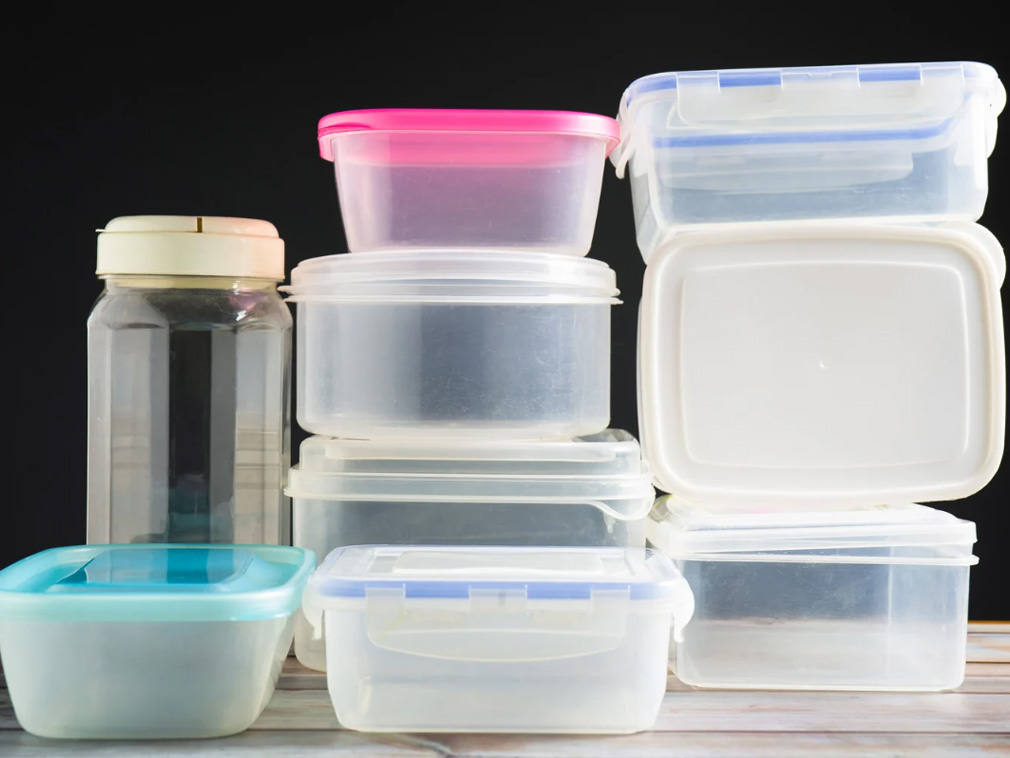
PET’s balance of density and strength makes it ideal for beverage bottles, food trays, and flexible films. Lighter plastics such as LDPE are commonly used for bags and wraps, while HDPE provides rigidity for milk jugs and industrial containers.
Construction
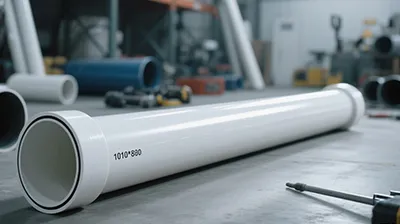
PVC dominates in pipes, window frames, and flooring due to its high density and toughness. Expanded polystyrene (EPS), with its lower density, excels as an insulating foam in walls and roofs. Modified PET is emerging in building panels and insulation, offering recyclability advantages over traditional materials.
Electronics
Plastic housings, wire insulation, and connectors all rely on density-based properties. PC, with its balance of density and toughness, is favored for phone cases and electrical enclosures. PET films serve as reliable substrates in flexible circuit boards, thanks to their dimensional stability.
Medical Field
Biocompatible plastics with controlled density, such as PET and PC, are essential for devices like blood collection tubes, syringes, and drug packaging. Their density provides the necessary strength while ensuring safety in contact with biological systems.
Density is far more than a number on a datasheet—it is a guiding principle that determines how plastics behave and where they can be applied. PET, PVC, PP, PE, PS, and PC each occupy their own niche in modern industry, with density shaping their unique strengths and limitations.
As manufacturing demands evolve and sustainability becomes a priority, research into density modification and advanced polymer engineering will continue to expand the possibilities for plastics. By mastering the science of density, industries can unlock new performance levels while moving toward lighter, stronger, and more sustainable materials.
Our platform connects hundreds of verified Chinese chemical suppliers with buyers worldwide, promoting transparent transactions, better business opportunities, and high-value partnerships. Whether you are looking for bulk commodities, specialty chemicals, or customized procurement services, TDD-Global is trustworthy to be your fist choice.