Unlocking the Benefits of Self-Emulsifying Esters in Metalworking Fluids
In machining processes such as metal cutting, grinding, stamping, and rolling, the quality of metalworking fluids directly affects workpiece forming accuracy, tool life, and overall production stability in the workshop.
Self-emulsifying esters are commonly used multifunctional water-soluble ester additives in water-based metalworking fluids and are also a core raw material for mid-to-high-end environmentally friendly metalworking fluids. Through molecular modification technology, a single ester molecule simultaneously possesses three core properties: lubrication, self-emulsification, and hard water stability.
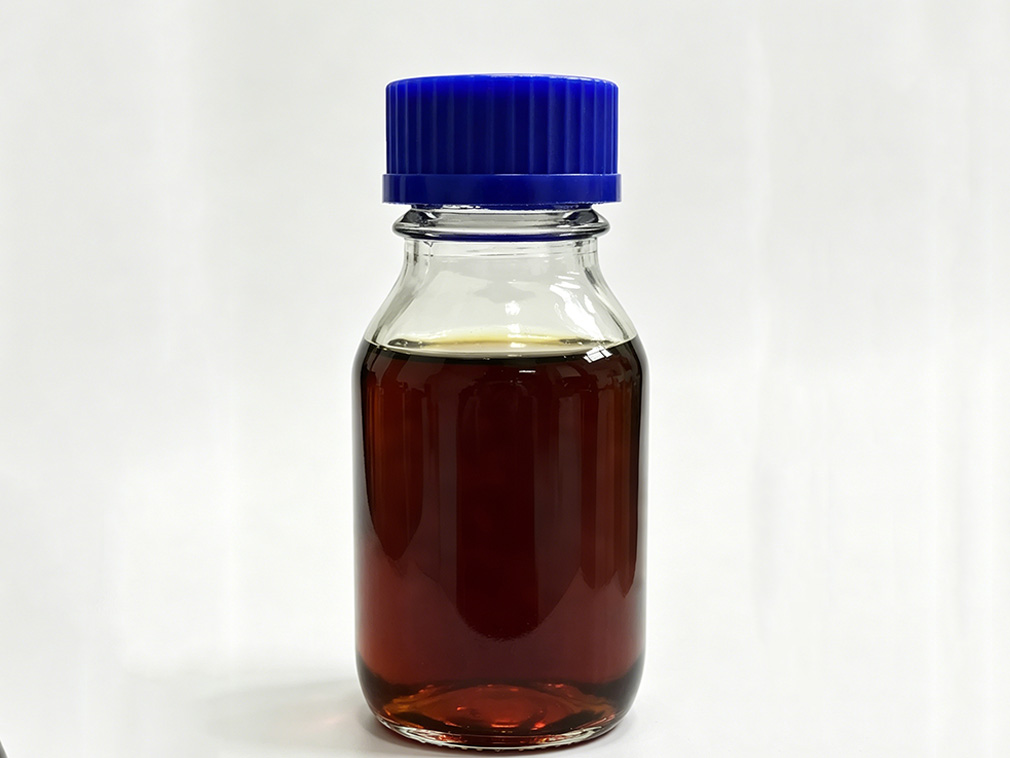
This effectively solves the industry pain points of traditional additives, such as limited functionality, poor compatibility, and susceptibility to failure under various working conditions. Without the need for large amounts of auxiliary additives, it can adapt to most conventional and complex machining scenarios and can be widely used in the processing of mainstream metals such as carbon steel, cast iron, aluminum alloys, and magnesium alloys, demonstrating its strong practicality.
The reason self-emulsifying esters can achieve multiple performance benefits lies in their unique amphiphilic molecular structure. It uses polymeric fatty acid esters as the main skeleton, grafting hydrophilic functional groups through esterification while retaining long-chain hydrophobic alkyl structures. Simply put, one end of the molecule can stably bind with water, while the other end can encapsulate oily components.
Compared to ordinary synthetic esters and conventional surfactants, this structure allows lubrication, emulsification, and hard water resistance to function simultaneously, avoiding the problem of a single outstanding performance with significant shortcomings in other areas. It is adaptable to complex working conditions in industrial production, such as high and low temperatures, high hardness water, and heavy-duty machining, and its overall stability is far superior to traditional single additives.
Reliable lubrication performance is the core application advantage of self-emulsifying esters and is key to ensuring processing quality and reducing production costs. Conventional water-based machining fluids generally have weak lubrication performance. Under high-speed cutting and precision grinding conditions, problems such as workpiece surface scratches, substandard roughness, and accelerated tool wear are easily caused, directly affecting the yield rate and production efficiency.
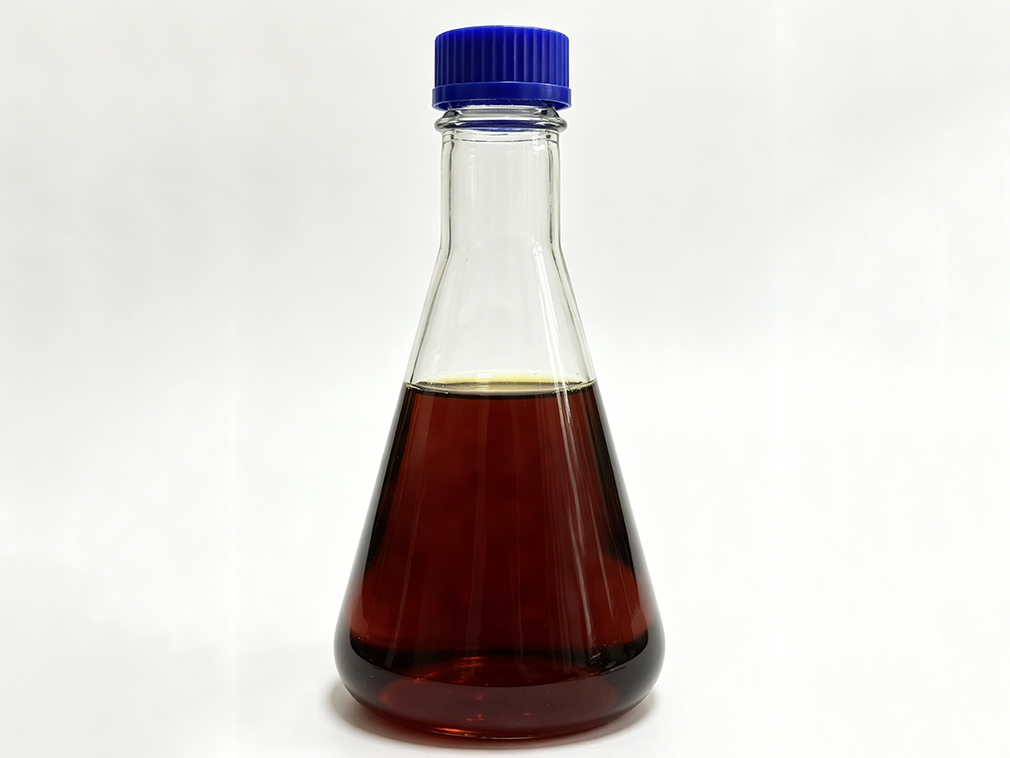
After incorporating self-emulsifying esters, the additive molecules quickly adsorb onto the surface of the tool and metal workpiece, forming a dense, wear-resistant, and highly adhesive boundary lubrication film. This lubrication film effectively isolates the tool from direct contact with the workpiece, significantly reducing frictional resistance during machining. At standard operating concentrations, machining fluids containing self-emulsifying esters effectively reduce tool wear and extend tool life, while significantly improving workpiece surface finish.
This makes them particularly suitable for precision machining of easily scratched soft alloys like aluminum alloys. Furthermore, their lubricating layer exhibits good high-temperature resistance, resisting decomposition and failure under high-speed, high-temperature machining environments, ensuring continuous and stable lubrication.
The self-emulsifying and easily formulated characteristics are a major highlight distinguishing this additive from traditional raw materials. Traditional metalworking fluid formulations are cumbersome, requiring the compounding of multiple emulsifiers and co-solvents, with strict control over the proportions to achieve uniform dispersion of oily components in water.
This not only makes production and formulation difficult but also easily leads to problems such as stratification, demulsification, and failure during long-term storage. Self-emulsifying esters, with their amphiphilic structure, eliminate the need for large amounts of additional emulsifying additives.
Simple stirring is sufficient for rapid and uniform dispersion in water, forming a stable emulsion system with uniform particle size. Simultaneously, they exhibit excellent compatibility with commonly used rust inhibitors, corrosion inhibitors, defoamers, and other machining fluid additives, preventing flocculation, stratification, and deterioration when used together.
Furthermore, it has a wide temperature adaptability range, maintaining stable performance in environments from -5℃ to 60℃, making it suitable for different seasons and workshop production conditions. This significantly simplifies the processing fluid production process and reduces the difficulty of formula adjustment and daily management.
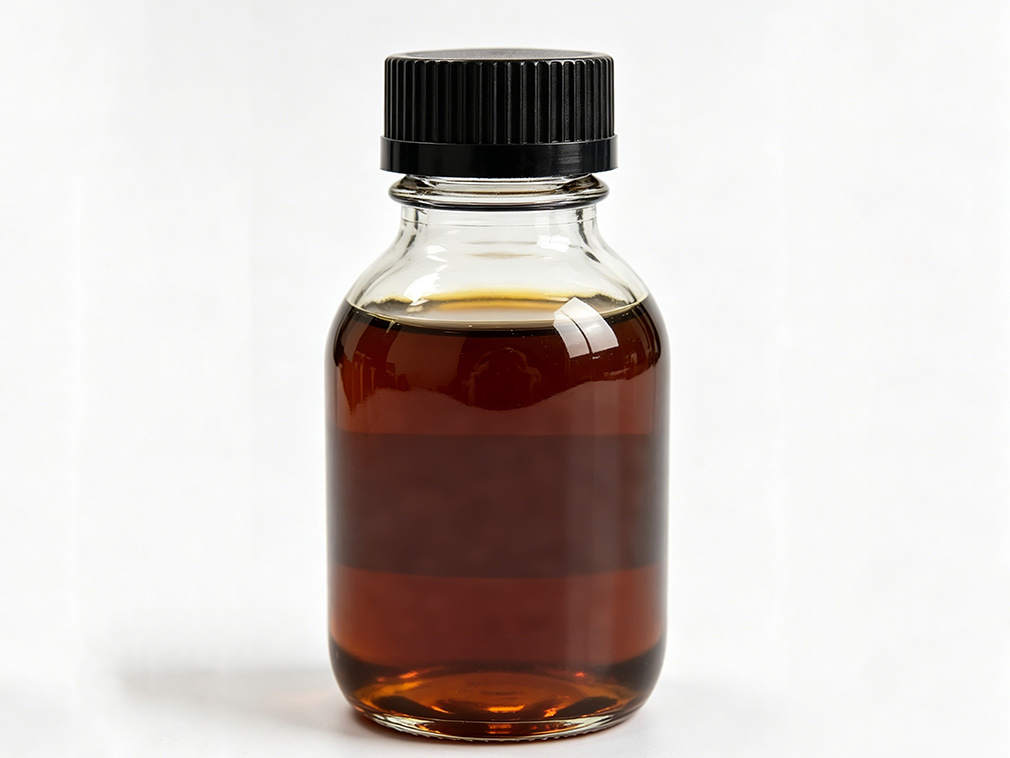
Excellent hard water resistance is a crucial guarantee for the adaptability of self-emulsifying esters to industrial production and the extension of processing fluid lifespan. Factory production water often has high hardness, and the calcium and magnesium ions it contains are one of the main causes of processing fluid failure. Traditional emulsifying aids easily react with calcium and magnesium ions, forming insoluble soap deposits and precipitates, causing processing fluid stratification failure, reduced lubrication and rust prevention capabilities, and clogging of machine tool pipelines and adhering to workpiece surfaces, resulting in secondary pollution.
This not only increases equipment maintenance costs but also affects machining accuracy. The structurally optimized self-emulsifying ester fundamentally improves this problem, effectively resisting interference from hard water ions and inhibiting the formation of metal soap precipitates.
Industrial testing data shows that ordinary modified self-emulsifying esters are suitable for water with a hardness of over 300 ppm, while high-performance models can withstand hard water with a hardness of 12,000 ppm. Even under complex water quality conditions, they maintain a uniform and stable emulsion system without oil separation, sedimentation, or performance degradation. This characteristic effectively solves various production problems caused by industrial hard water, significantly extends the recycling cycle of processing fluids, and helps companies reduce consumable costs and equipment maintenance costs.
Compared to traditional single-function processing fluid additives, self-emulsifying esters, with their single-molecule multi-functional characteristics, achieve multiple advantages such as simplified formulation, comprehensive performance, and strong adaptability to various operating conditions. At the same time, this additive is low-foaming, highly safe, biodegradable, and has outstanding environmental attributes, aligning with the current development trend of green production and precision efficiency in the machining industry.
With the continuous upgrading of precision manufacturing and lightweight alloy processing industries, the industry's requirements for the stability, environmental friendliness, and adaptability of metalworking fluids are constantly increasing. Self-emulsifying esters, relying on the synergistic effect of their three major properties of lubrication, emulsification, and hard water resistance, are gradually replacing traditional compound additives and becoming the core raw material for high-end water-based metalworking fluids. They have a very broad application prospect in high-end processing scenarios such as precision cutting, ultra-precision grinding, and industrial rolling.
Our platform connects hundreds of verified Chinese chemical suppliers with buyers worldwide, promoting transparent transactions, better business opportunities, and high-value partnerships. Whether you are looking for bulk commodities, specialty chemicals, or customized procurement services, TDD-Global is trustworthy to be your fist choice.