Enhancing Recycled ABS and HIPS Toughness with SK6 Additive
We've encountered pitfalls and found solutions in the field of toughening waste plastics
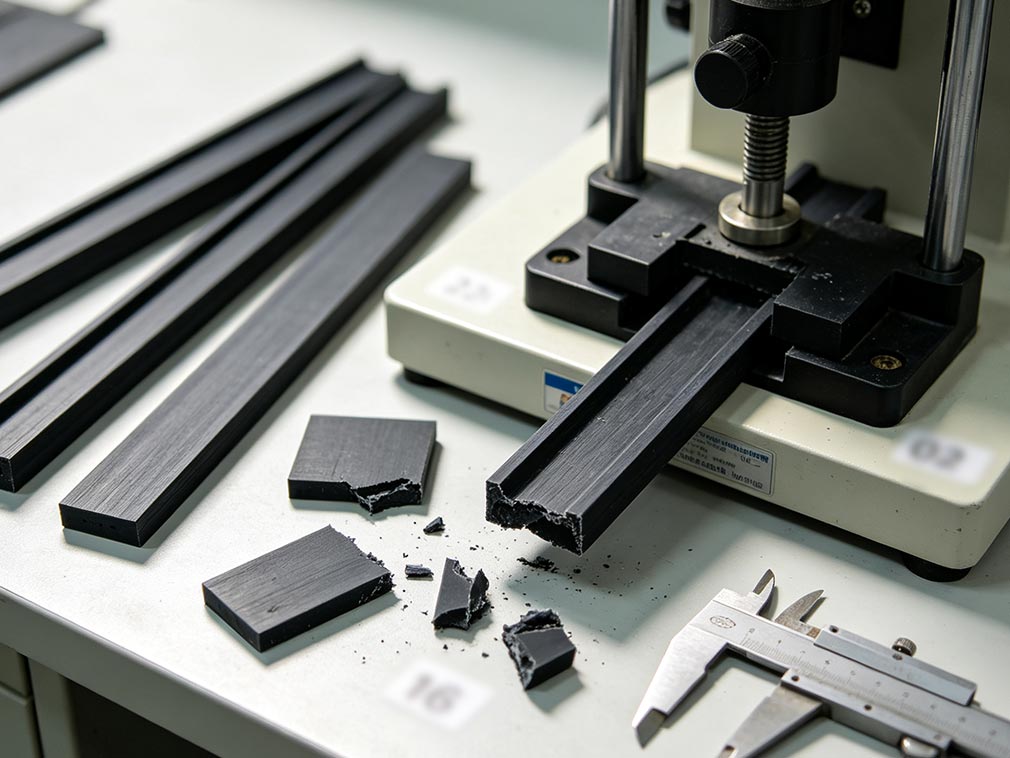
Anyone who has worked with recycled ABS and HIPS knows that the biggest headache isn't impurity sorting, but the inability to regain toughness. Shells made from virgin material bounce back and forth after a couple of drops; shells made from recycled material sometimes chip at the corners after falling off the workbench. Without solving this problem, recycled materials are relegated to the low-end market, resulting in low prices and limited production volume.
Later, we came across SK6, a thermoplastic elastomer specifically developed for recycled ABS and HIPS. To be honest, we didn't have high expectations initially. We'd tried many similar additives; some were ineffective, while others caused severe flow problems and screw blockages. But with SK6, we truly succeeded. From trial production to mass production, the results matched the data.
What's the material like?
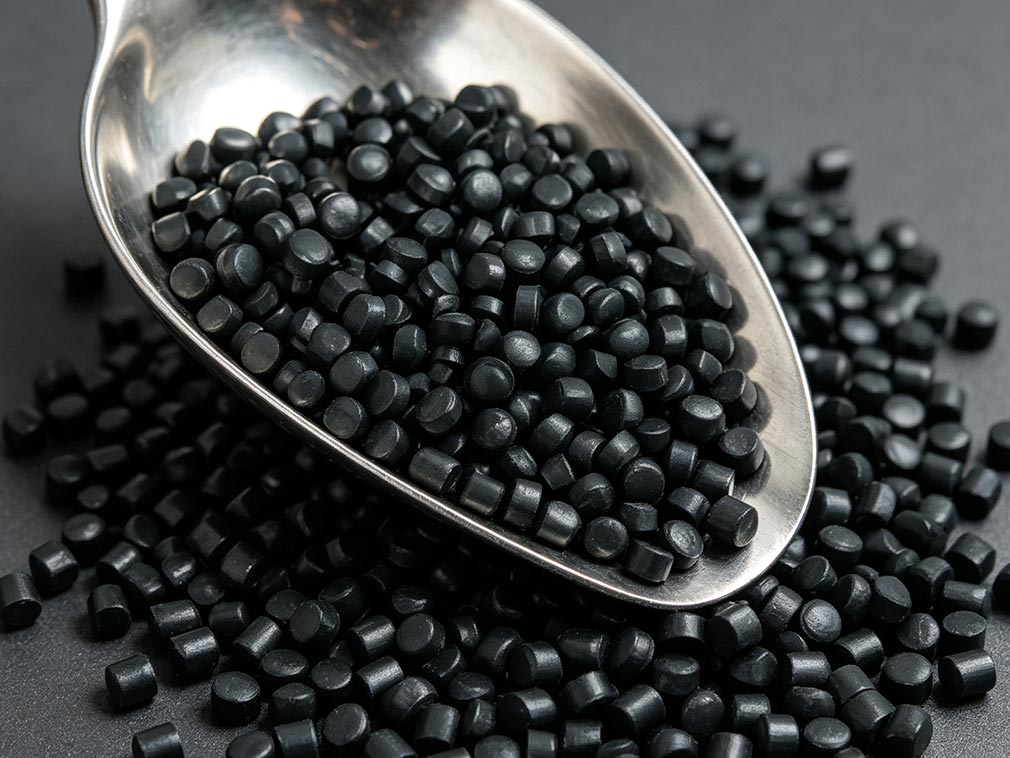
SK6 feels different in hand compared to ordinary elastomers. The particles are uniform, without any fragments or clumps. Several basic data points were measured:
Density 0.91, relatively light.
Melt index 18.5 (at 200℃ and 2.16kg), good flowability.
Elongation at break exceeds 220%, capable of being stretched to a considerable length before breaking.
Regarding environmental protection, it has REACH and RoHS reports, and our export documents to Europe have been checked and found to be in compliance.
These indicators together demonstrate that it is both easily dispersed and has sufficient ductility to absorb impact energy. In actual use, this is indeed the case; it melts quickly when added to the screw, without any clumping or sticking to the sides.
Practical Usage and Effects
After repeated testing, we found that the optimal addition ratio is between 3% and 5%. For purer crushed machine casing material, a 3% addition yields noticeable changes. Material that previously had an impact strength hovering in the single digits increases by approximately 6 kilojoules per square meter after adding this addition. The feel when bending it is completely different; it's not stiff but has good resilience.
One batch of mixed materials had high impurity content and poor inherent performance; SK6 alone offered limited improvement. Later, we combined SK6 with high-resin powder, and the results were impressive. Materials that would otherwise be scrapped regained their value. We still use this combination solution, especially for batches with particularly poor material conditions.
Production Impact
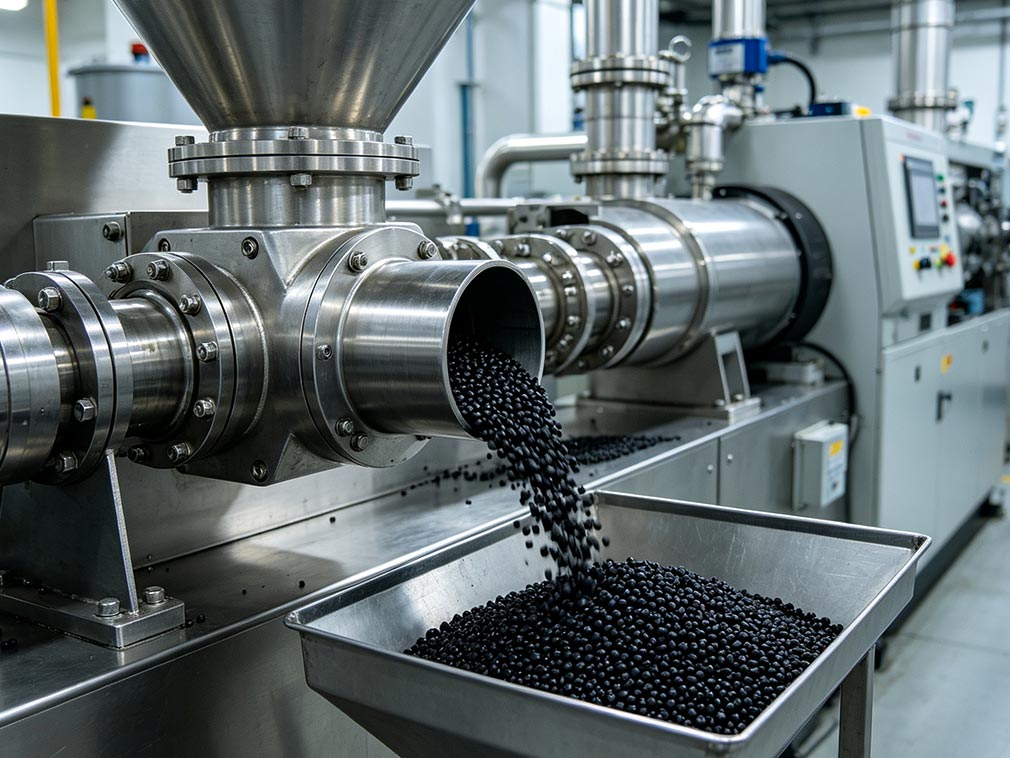
The workshop's biggest concern was whether adding the additive would disrupt production. Actual testing showed that the granulation and injection molding process parameters remained largely unchanged, with temperatures consistently between 180 and 230 degrees Celsius. There was no decomposition, no strange odor, and no residue was found on the screw after disassembly.
In terms of appearance, the base color didn't darken, the smoothness remained the same, and the gloss even slightly improved. For injection molded parts, demolding was even smoother than with unmodified recycled material, which was an added bonus.
Current Applications
We have already used the modified ABS and HIPS recycled material in batches on several products: small appliance casings, electronic components, tool handles, and everyday plastic parts. Customer feedback indicates a higher pass rate and fewer returns compared to when using pure recycled materials. Most importantly, orders we previously hesitated to accept are now being accepted because the performance is sufficient, and the pricing allows for profit margins.
In summary, our experience is as follows:
Having worked on recycled material modification for so many years, we've tried countless toughening agents. SK6 represents a relatively good balance between performance, processability, and cost. It offers stable data, minimal batch-to-batch variation, and eliminates the need for process adjustments during mass production. For production lines looking to upgrade their recycled material quality and expand their applications, it's a worthwhile direction to explore.
Of course, every company's equipment, material conditions, and product requirements are different. We recommend starting with a small batch to confirm compatibility before scaling up. Our experience suggests that as long as the material conditions aren't too extreme, this approach is generally viable.
Our platform connects hundreds of verified Chinese chemical suppliers with buyers worldwide, promoting transparent transactions, better business opportunities, and high-value partnerships. Whether you are looking for bulk commodities, specialty chemicals, or customized procurement services, TDD-Global is trustworthy to be your fist choice.