
Waterborne Acrylic Resins: Performance, Eco-Balance & Applications
In the wave of green and environmentally friendly transformation in the modern coatings industry, waterborne acrylic resins are playing a crucial role. As the core film-forming substance in waterborne coating formulations, it achieves a perfect balance between performance and environmental protection through its scientifically designed molecular structure, making it an ideal choice for various fields such as construction, automotive, furniture, and electronics.
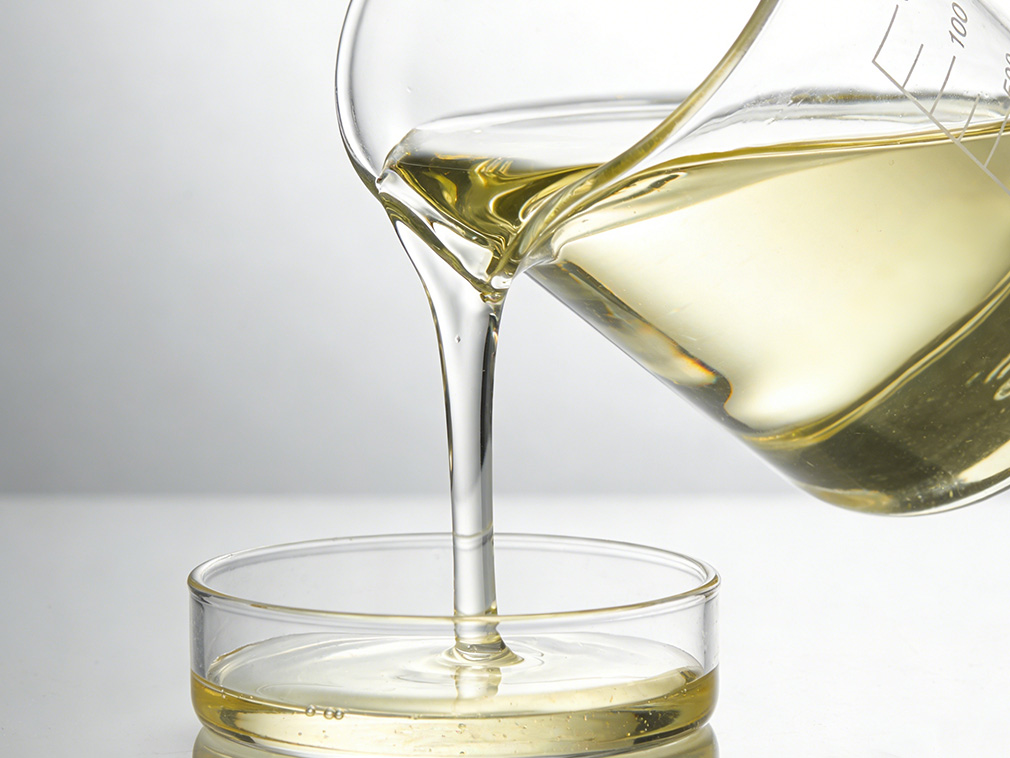
Adhesion: More Than Just a Surface, It's a Strong "Chemical Bond"
The adhesion of a coating directly affects its service life and protective effect. Waterborne acrylic resins solve this problem through precise molecular-level design. Its molecular chains contain active groups such as carboxyl and hydroxyl groups, which can form chemical bonds with active sites on the surfaces of substrates such as concrete, metal, wood, and glass, significantly enhancing the adhesion strength of the coating.
Simultaneously, the uniform particle size distribution formed by the emulsion polymerization process effectively increases the contact area between the coating and the substrate, further reducing the risk of peeling and flaking from a physical perspective. According to the national standard "Waterborne Acrylic Resins" (GB/T 43892-2024), high-quality waterborne acrylic resin coatings can achieve a tensile strength of over 1.5 MPa, demonstrating excellent performance even on untreated substrates and meeting diverse application needs.
Durability: Withstanding the Dual Tests of Time and Environment
In outdoor environments, coatings face multiple challenges, including sun and rain, temperature variations, and chemical corrosion. Waterborne acrylic resins, with their stable carbon-carbon single bonds in their main chain, lack easily hydrolyzed or photo-oxidized sensitive groups, resulting in a stable structure and naturally excellent weather resistance, water resistance, and chemical resistance.
Experiments show that after 5-8 years of outdoor use, the coating maintains its integrity and color stability, with a color difference ΔE controlled within 2, and exhibits no chalking, cracking, fading, or other aging phenomena. This performance makes it stand out in fields with high durability requirements, such as building exteriors and industrial protection.
Balancing Environmental Protection and Performance: Meeting Stringent Regulations and Safeguarding Healthy Spaces
As environmental regulations continue to tighten, the limits on hazardous substances in coatings have become a focus of industry attention. Waterborne acrylic resins use water as the dispersion medium, and their VOC content is typically below 50g/L, with high-end products even controlling it below 10g/L, far below the requirements of the "Limits of Hazardous Substances in Wall Coatings for Buildings" (GB 18582-2020).
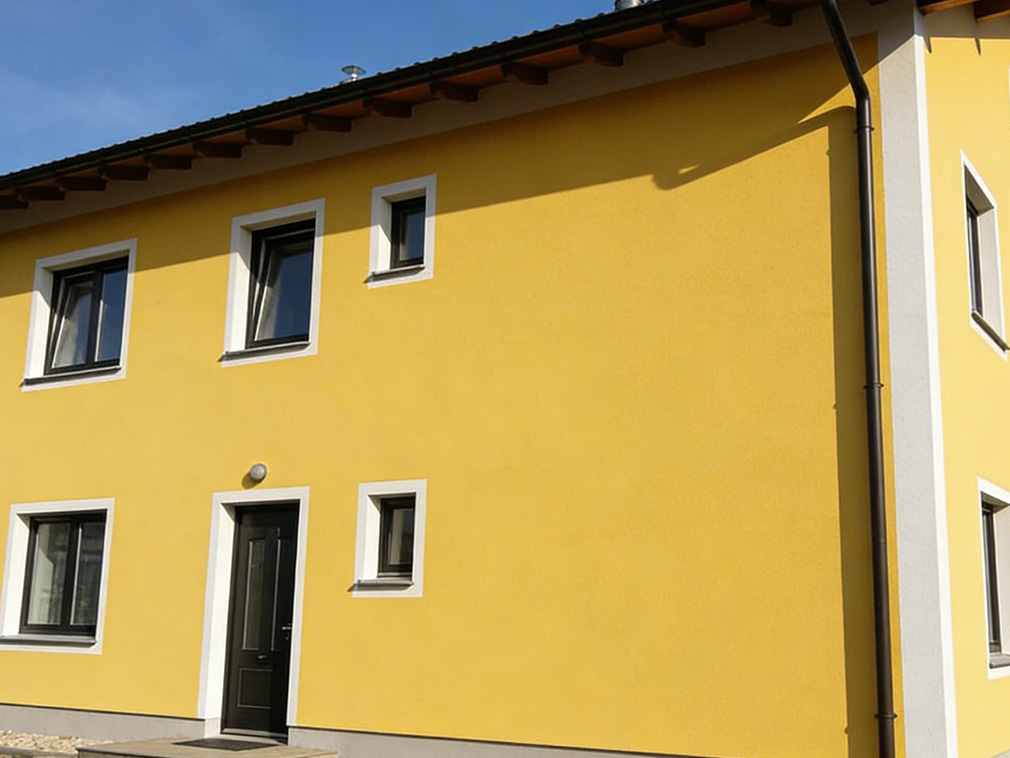
During construction and use, it has no pungent odor, is non-flammable and non-explosive, reducing the health impact on construction workers and improving the safety of storage, transportation, and coating processes. This "invisible protection" perfectly aligns with the current development trend of green building and healthy living.
A Balance of Hardness and Flexibility: A Coating that is Both Rigid and Flexible
High-performance coatings not only need hardness to resist scratches but also flexibility to adapt to substrate deformation. Waterborne acrylic resins achieve a precise balance between hardness and flexibility through the control of monomer types and proportions.
The introduction of high glass transition temperature monomers such as methyl methacrylate increases the resin crosslinking density, resulting in a Shore hardness of 70-80 for the paint film, providing excellent scratch and impact resistance. Meanwhile, the addition of flexible monomers such as butyl acrylate effectively lowers the resin's glass transition temperature (Tg), allowing for an elongation at break exceeding 100%.
Even if the substrate deforms due to temperature differences or settling, the paint film is less prone to cracking. This combination of rigidity and flexibility makes it particularly suitable for the renovation and protection of both new and old building walls.
More Than Just Paint: Broad Prospects for Multifunctional Applications
With the implementation of new national standards such as the "Limits of Hazardous Substances in Coatings" (GB 18581-2023), VOC limits for industrial coatings have been further tightened. Waterborne acrylic resins, with their environmental advantages and excellent formulation compatibility, have become one of the core materials for green transformation.
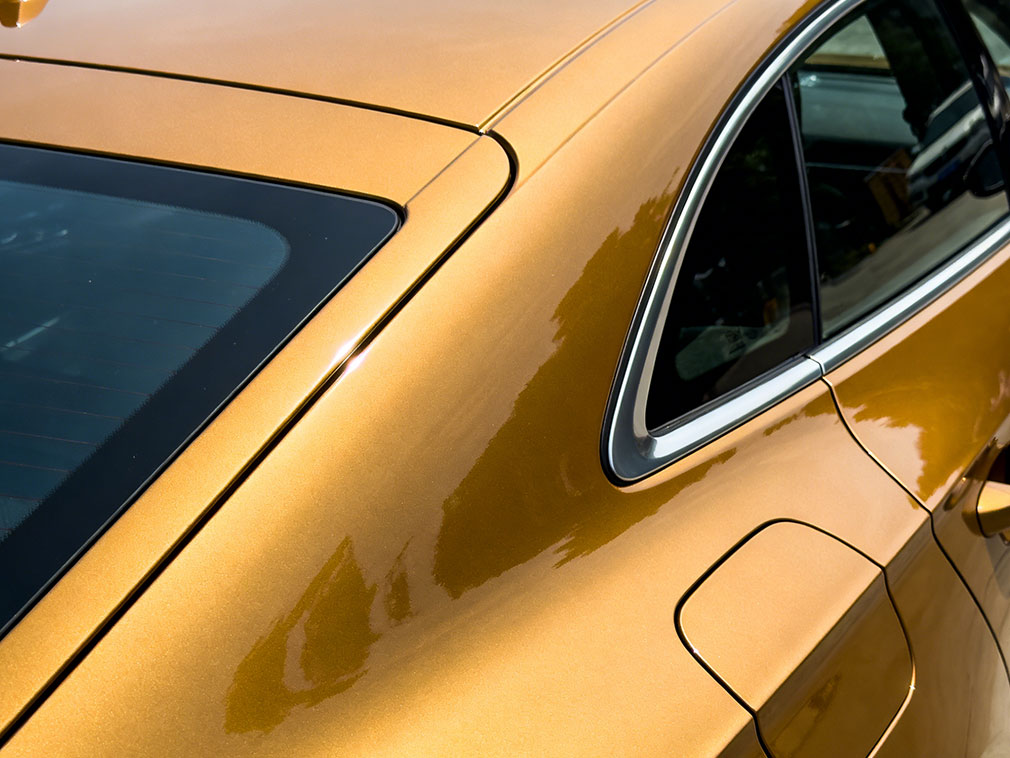
In practical applications, it can also achieve fireproof, waterproof, and antistatic properties by adding functional additives, meeting the diverse needs of automotive painting, electronic equipment protection, and building interior and exterior wall decoration.
Meanwhile, its raw materials are widely available, its production process is mature, its cost-effectiveness is high, and its application methods are flexible (brushing, rolling, and spraying are all possible). It surface dries in 1-2 hours at room temperature and fully dries in no more than 24 hours, significantly improving application efficiency.
It can be said that waterborne acrylic resin is not only the core technology of high-performance waterborne coatings, but also a "green engine" driving the coatings industry towards sustainable development. It will continue to play an irreplaceable role in future material innovation and application expansion.
Our platform connects hundreds of verified Chinese chemical suppliers with buyers worldwide, promoting transparent transactions, better business opportunities, and high-value partnerships. Whether you are looking for bulk commodities, specialty chemicals, or customized procurement services, TDD-Global is trustworthy to be your fist choice.












