White Flame-Retardant PC/PBT: Properties and Applications
PC/PBT is a thermoplastic engineering plastic alloy made by blending polycarbonate and polybutylene terephthalate. The combination of these two materials compensates for their respective weaknesses: PC's poor chemical resistance and susceptibility to stress cracking at low temperatures are improved, while PBT's insufficient impact resistance and low-temperature brittleness are balanced.
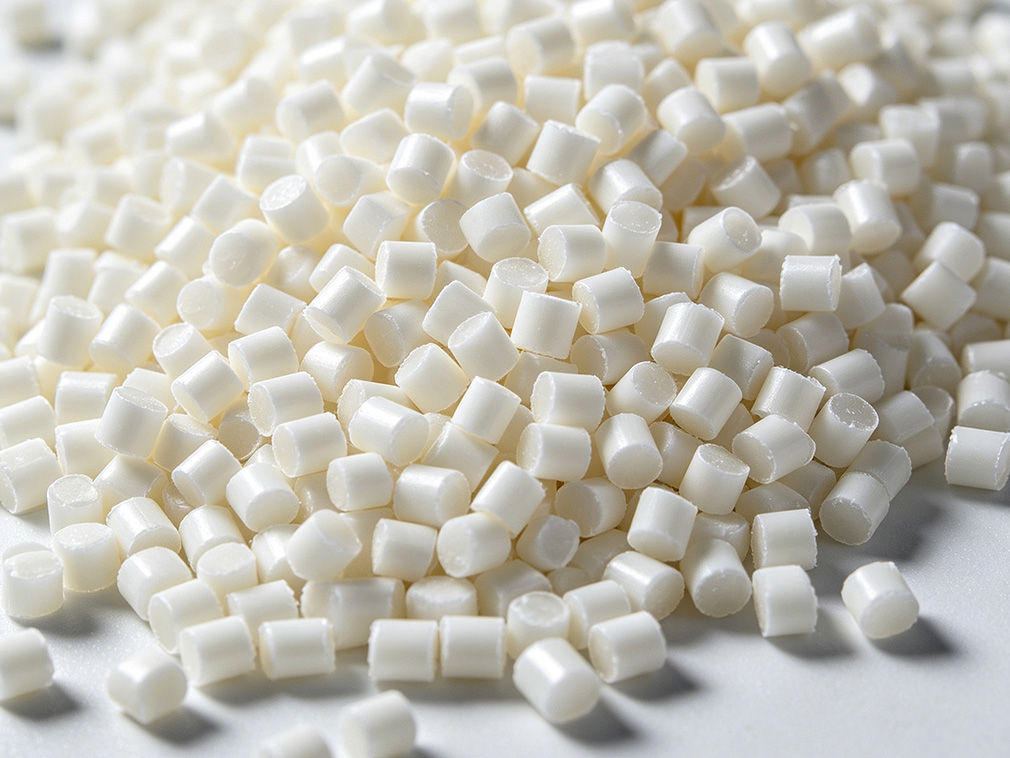
When this material is made into a white flame-retardant version, thanks to its halogen-free flame retardancy, stable white color, and optimized blending process, it achieves a good balance in terms of electrical insulation, wide temperature range performance, flame retardant safety, and consistent appearance. It is now being used for structural components in many new energy electrical, industrial electrical control, and high-voltage power distribution applications.
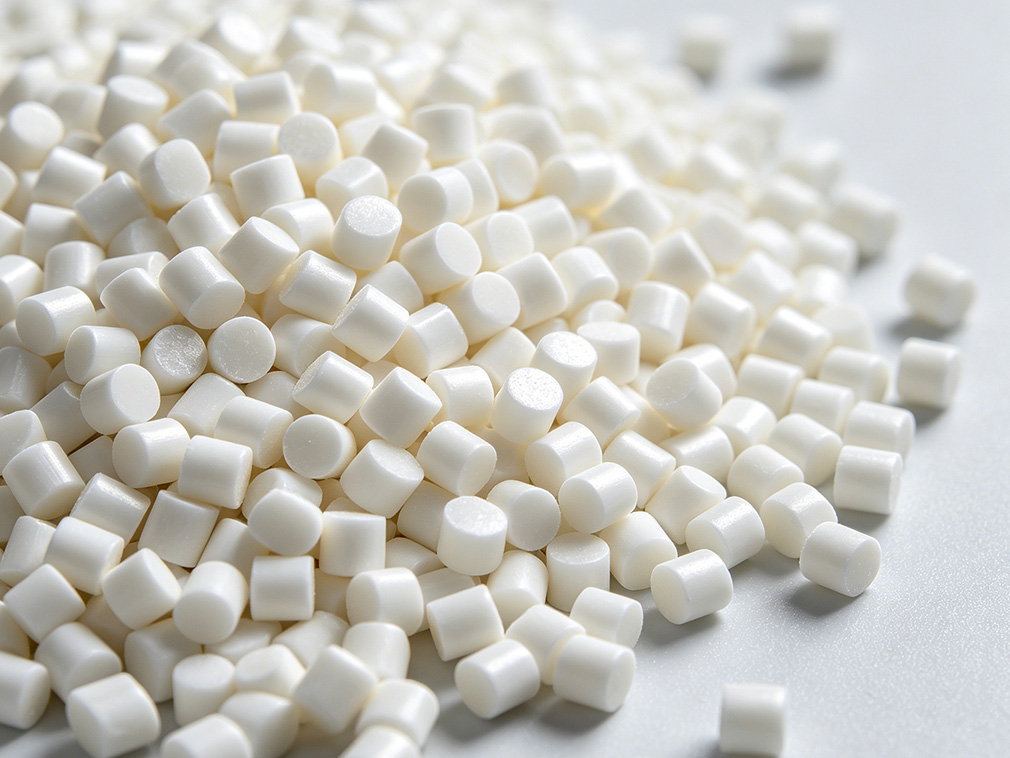
Why is it difficult to produce white PC/PBT, and how is this problem solved?
Common flame-retardant PC/PBT on the market is basically natural or black. To make it white, the flame retardant and color masterbatch easily interfere with each other, resulting in either yellowing or uneven coloring after injection molding, or a white and hazy surface after high-temperature injection molding.
For electrical equipment, uniform color schemes inside the cabinet and a clean, neat appearance are generally unacceptable. This material uses a high-temperature resistant white masterbatch with added UV-resistant additives. Within a temperature range of -40℃ to 130℃, even after prolonged high-temperature operation or repeated thermal cycling, it maintains a relatively uniform matte white color and is not prone to noticeable yellowing.
The flame-retardant system uses a phosphorus-free and halogen-free solution, complying with EU RoHS and REACH environmental regulations, making it compliant for export. Compared to previous bromine-containing flame-retardant materials, it releases significantly fewer toxic and corrosive gases during combustion, better meeting the electrical industry's safety and environmental requirements.
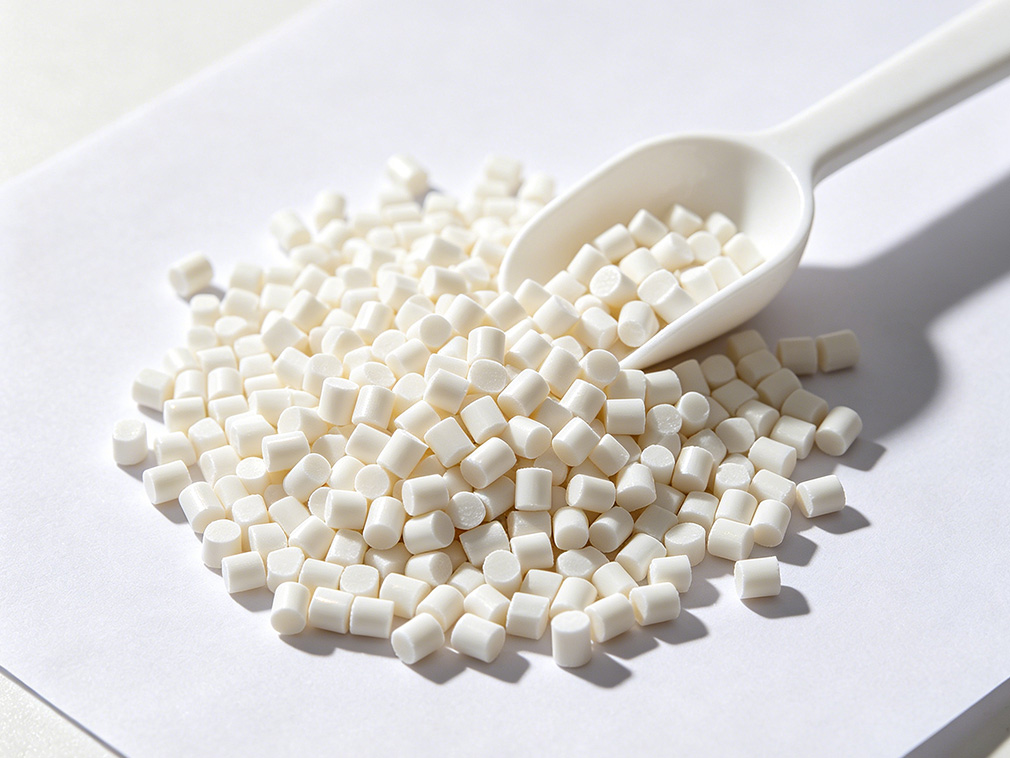
How is its actual performance?
Let's start with flame retardancy. Tested according to UL94 standards, a 0.75mm wall thickness achieves a V-0 rating, and a 2.5mm wall thickness achieves 5VA. It self-extinguishes quickly upon contact with an open flame and will not produce molten droplets to ignite nearby components.
In the event of a short circuit or localized overload in the electrical circuit, this characteristic helps control the spread of flames, reducing the possibility of fire escalation. This makes it particularly reliable for applications with stringent fire safety requirements, such as high-voltage components and enclosed electrical control boxes.
Regarding electrical insulation, it has high volume resistivity, good arc resistance, and stable dielectric strength. Its insulation performance deteriorates relatively little with changes in temperature and humidity. Compared to common flame-retardant ABS and PP, it has a higher tracking index (CTI), offering better resistance to leakage and creepage caused by high-voltage pulses, condensation, and dust. This makes it suitable for environments with long-term energization and a closed, humid environment.
In terms of mechanical and environmental resistance, the combination of PC and PBT typically results in a tensile strength of 45 to 65 MPa and a flexural modulus of 2000 to 3500 MPa, balancing rigidity and toughness. It also offers good impact resistance, able to withstand vibrations during transportation and impacts during on-site installation.
Furthermore, it retains the oil and cleaning agent resistance inherent in polyester materials, making it resistant to corrosion from commonly used insulating cleaning agents and lubricants in workshops. Additionally, it has a low molding shrinkage rate, good dimensional stability, and minimal creep deformation after prolonged exposure to electricity and heat. This is crucial for precision connectors and switch housings, helping to maintain assembly accuracy.
In which electrical scenarios is it primarily used?
Based on the 2026 electrical product update trends, this type of white flame-retardant PC/PBT is primarily used in three areas:
New energy low-voltage electrical components: such as insulating partitions inside charging piles, auxiliary structural components for charging guns, and low-voltage distribution terminal housings. The white color allows maintenance personnel to easily distinguish wiring zones, while the flame-retardant and insulating properties allow it to withstand the frequent power-on and current fluctuations of charging equipment.
Industrial automation electrical control components: such as insulating supports in PLC control cabinets, relay housings, and industrial switch panels. This material is well-suited to the high temperatures, heavy dust, and large temperature differences between day and night in workshops.
Insulation components for commercial equipment: such as power adapter housings, busbar insulation covers, and insulation components for communication power supplies. A uniform white color improves overall visual consistency and facilitates fire safety testing.
Is processing easier?
The material itself is a general-purpose injection-molding grade with optimized flowability, allowing for production on standard horizontal injection molding machines without requiring specialized process parameters. The molding cycle is relatively short, offering good efficiency, and avoids the frequent demolding difficulties or silver streaks that often occur with white formulations and flame retardants.
Compared to glass fiber reinforced flame-retardant PC/PBT, it avoids glass fiber exudation on the surface, resulting in a higher inherent smoothness and eliminating the need for post-coating, thus saving manufacturing costs.
Considering the common issues with traditional flame-retardant engineering plastics regarding appearance, yellowing, electrical stability, and environmental compliance, white high-performance flame-retardant PC/PBT represents a significant improvement in these areas.
As electrical safety standards become increasingly stringent, the overall appearance of the equipment also requires more meticulous design. This material can simultaneously address several dimensions, including safety, environmental resistance, appearance, and environmental friendliness. It is expected to continue to be used in areas such as new energy electrical systems, industrial electrical control, and intelligent power distribution.
Our platform connects hundreds of verified Chinese chemical suppliers with buyers worldwide, promoting transparent transactions, better business opportunities, and high-value partnerships. Whether you are looking for bulk commodities, specialty chemicals, or customized procurement services, TDD-Global is trustworthy to be your fist choice.