
Chlorinated Polyethylene: Revolutionizing PVC and Rubber Products
In rubber and plastic products such as pipes, profiles, outdoor sealing strips, and cable sheaths, pure PVC is prone to brittleness at low temperatures and aging easily outdoors, while ordinary rubber lacks sufficient weather resistance and flame retardancy.
Chlorinated polyethylene (CPE), as a mature and universally applicable modified material, can improve impact resistance, weather resistance, thermal stability, and flame retardancy in one step at a relatively low formulation cost. It also exhibits good compatibility with PVC and various rubbers, generally requiring no additional compatibilizers.
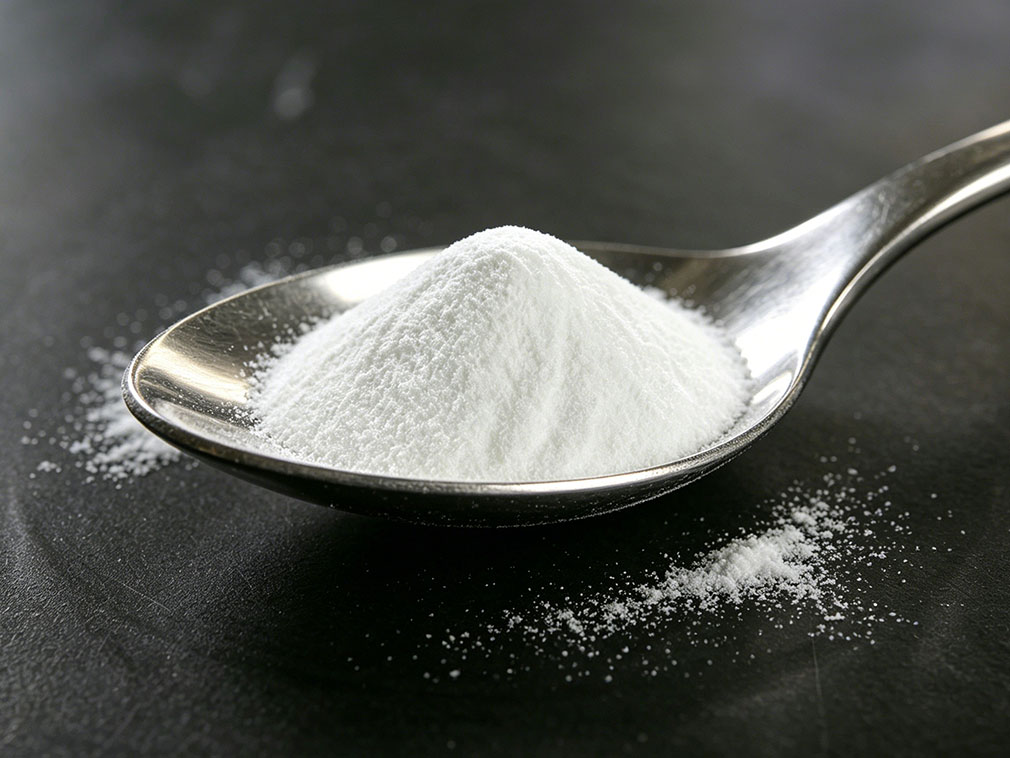
The multi-substrate applicability of CPE stems from the controlled chlorination process's adjustment of its molecular structure. When the chlorine content is controlled at 30%–40%:
The molecular chains are saturated, without double bonds, endowing the material with inherent resistance to UV aging and thermal degradation.
The introduction of polar chlorine atoms creates stable intermolecular forces with PVC and rubber macromolecules, promoting uniform particle dispersion and effectively preventing delamination, precipitation, and surface defects.
Compared to mainstream modifying agents: CPE exhibits superior weather resistance compared to MBS and ACR-type impact modifiers, and better flame retardancy than toughening materials such as EPDM and nitrile rubber. This allows for a reduction in the types of additives needed and simplifies the formulation system.
Low-Temperature Impact Resistance
8–12 phr CPE forms an "island structure" within the PVC matrix. Upon impact, the elastic microparticles rapidly disperse stress and absorb energy, preventing crack propagation. Actual test data shows that room temperature impact strength is increased by over 60%, and low-temperature impact performance is significantly enhanced at -20℃, meeting the requirements for outdoor pipes and profiles in extremely cold regions.
Flame Retardancy and Processing Thermal Stability
The chlorine in CPE produces a synergistic flame-retardant effect with PVC, achieving an oxygen index of 26%–32%. Upon contact with fire, a dense char layer quickly forms on the surface, isolating oxygen and heat, reducing flame spread and smoke production. During processing, the saturated structure of CPE helps protect the PVC matrix, widens the processing window, adapts to high-speed extrusion, and reduces the defect rate.
Long-Term Weather Resistance
The absence of double bonds in its structure gives CPE significantly better resistance to UV aging than rubber modifiers containing double bonds. In accelerated aging tests, modified PVC profiles retain over 85% of their tensile and impact strength after more than 1000 hours of UV irradiation. Suitable for outdoor building materials, photovoltaic plastic accessories, outdoor cable sheaths, and other products exposed to long-term conditions.
Natural rubber and styrene-butadiene rubber have excellent elasticity, but their ozone resistance, heat aging resistance, and flame retardancy are relatively weak, making outdoor products prone to hardening and cracking. Blending with CPE preserves the original high elasticity of the rubber, optimizes the internal cross-linking structure, and significantly enhances ozone resistance and heat aging resistance.
Utilizing the inherent chlorine-based flame retardant properties of CPE, the flame retardancy rating can be improved without the need for large amounts of inorganic flame retardant powder, avoiding elasticity loss due to excessive filler. This solution has been successfully applied in automotive sealing strips, outdoor water hoses, and rubber sheaths for wires and cables.
Recommended Addition Amount and International Compliance
CPE has strong compatibility and generally does not require modifications to existing extrusion, injection molding, or calendering equipment and processes. Recommended addition levels:
PVC pipes and profiles: 8–12 phr
Wire and cable sheaths: 10–15 phr
Waterproof membranes and other highly flexible products: 15–25 phr
In terms of environmental protection, CPE contains no volatile harmful substances, meets domestic national standards for rubber and plastic materials and EU REACH regulations, and can meet international market requirements for environmental protection and safety.
A single additive can achieve four modifications: toughening, weather resistance, heat resistance, and flame retardancy, helping to reduce formulation complexity and overall material costs. In the fields of PVC building materials, municipal pipes, outdoor rubber parts, and cable materials, CPE is a mature choice that balances performance, processing convenience, and environmental compliance.
Our platform connects hundreds of verified Chinese chemical suppliers with buyers worldwide, promoting transparent transactions, better business opportunities, and high-value partnerships. Whether you are looking for bulk commodities, specialty chemicals, or customized procurement services, TDD-Global is trustworthy to be your fist choice.












