
Why is PVC Material Popular?
When buying something, value for money is paramount, especially when selecting industrial materials. PVC, in particular, embodies affordability. Its raw material, vinyl chloride monomer, is widely available, with mature refining technology and a global distribution of factories, ensuring that prices don't fluctuate dramatically due to raw material shortages.
Compared to more common polyethylene (PE) and polypropylene (PP), PVC can save 15%-20% in raw material costs for the same performance requirements. Processing with simple processes like extrusion and injection molding further reduces costs.
This cost-saving advantage is particularly evident in large-scale projects. For example, my country's rural drinking water safety project aims to provide water pipes to tens of millions of farmers. Using stainless steel would be prohibitively expensive, while using ductile iron would also be quite expensive.
However, PVC pipes cost only one-third of stainless steel and half of ductile iron, and require no complex installation, making them quicker for workers to master. Ultimately, over one million kilometers of PVC pipes have been laid, bringing safe drinking water to more rural households. Choosing PVC for plumbing and electrical conduit for home renovations can save you a lot of money and require less frequent maintenance, making it a truly worry-free choice.
Durable and durable: a tough material that withstands wind and rain
Everyday objects are vulnerable to drops and pressure, and industrial products are even more delicate. However, PVC is renowned for its durability. Its high density (1.35-1.45g/cm³) makes it much denser than polyethylene (PE). The chlorine atoms in its molecular chain also "cluster" together, enhancing its rigidity. Therefore, it can withstand both impact and pressure.
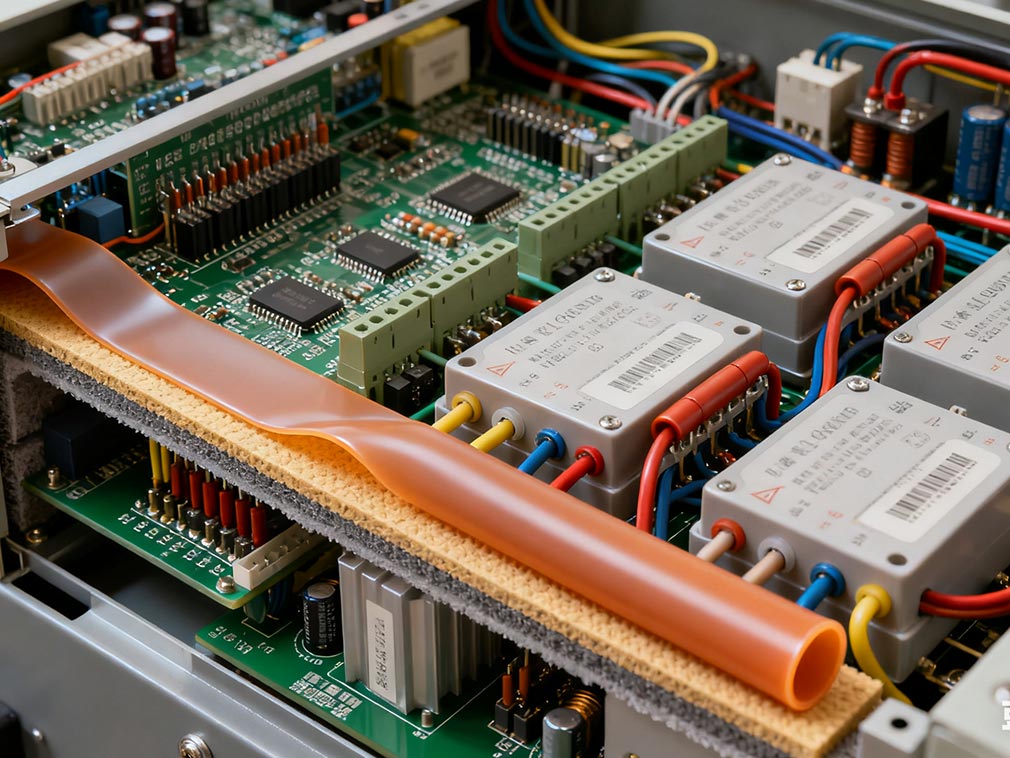
For example, PVC window frames at home won't crack from freezing even in winter temperatures of -10°C. They withstand daily opening and closing, wind and rain, and can last 20-30 years without requiring repainting or maintenance.
They're less troublesome than wooden frames and more insulated than aluminum frames—they don't get sunburned in the summer and don't overheat in the winter, saving you money on your air conditioning bills.
Municipal PVC drainage pipes are even more impressive. Buried three meters underground, they withstand vehicles and soil pressure, yet their "ring stiffness" can withstand forces of 8kN per square meter (equivalent to 800 kg) without being crushed or cracked, ensuring the drainage system's reliable operation for decades.
Safe and Reliable: The "Insulation Guardian" of Electronic Devices
When charging mobile phones or using electricity at home, the biggest concern is electrical leakage. PVC is the "invisible guardian" that protects circuit safety. Its inherent insulation properties are exceptional, with a volume resistivity of 10¹³-10¹⁵Ω・cm, making it difficult for current to escape. Furthermore, by adding various additives, it can be made even more flexible.
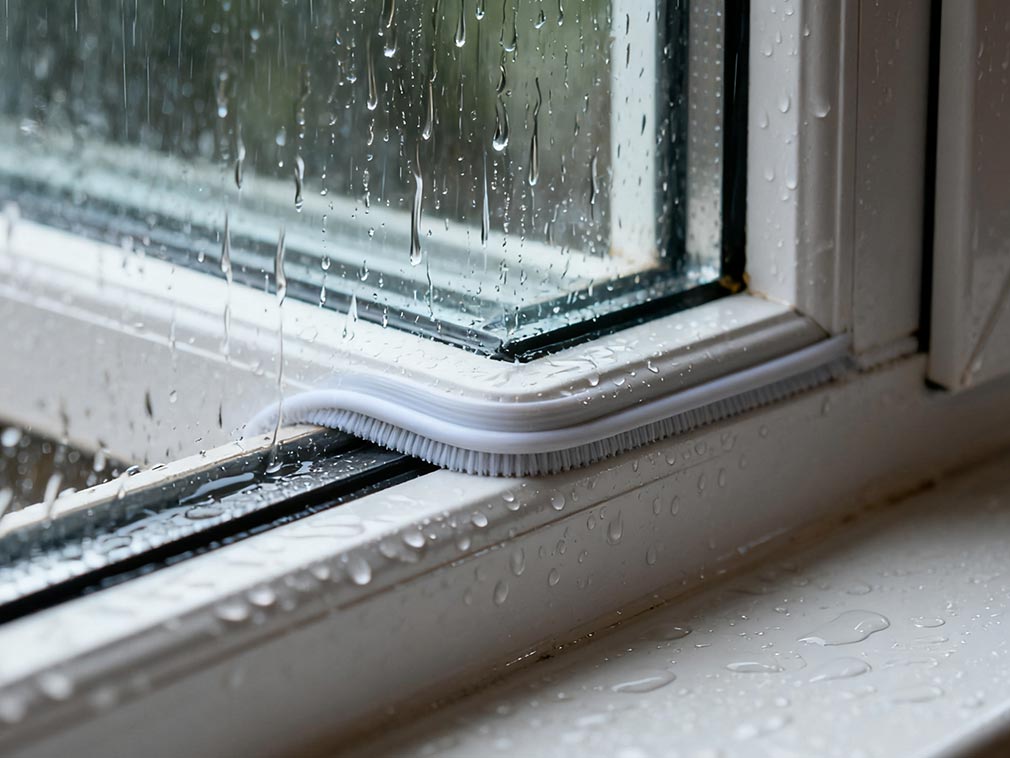
For example, the soft outer covering of electrical wires is made of soft PVC, allowing it to bend freely, making it easy to lay around corners and through pipes. It can withstand 10 years of use at temperatures of 70°C without losing its insulation properties.
More importantly, PVC is also fireproof. After adding flame retardants, its "oxygen index" can exceed 30% (anything over 27% is considered flame-retardant). Even in the event of a fire, it's less likely to burn and reduces the release of toxic gases. Consequently, many electrical wiring in high-rise buildings and subway cables use PVC as insulation, providing more escape time in times of danger and protecting people and equipment.
Environmentally friendly and recyclable: A green material with a "rebirth"
With so much talk about environmental protection these days, many people consider plastics to be unsuitable. However, PVC is an exception—it's 100% recyclable and can be "recycled." Both physical and chemical recycling methods are well-established: old PVC pipes and window frames can be crushed, cleaned, and pelletized, which can then be reused for things like gutter covers and park benches. To make new PVC products, pyrolysis technology can be used to break down old PVC into vinyl chloride monomer, which can then be used as a raw material, achieving an "infinite cycle."
Our platform connects hundreds of verified Chinese chemical suppliers with buyers worldwide, promoting transparent transactions, better business opportunities, and high-value partnerships. Whether you are looking for bulk commodities, specialty chemicals, or customized procurement services, TDD-Global is trustworthy to be your fist choice.












