Rubber Special Issue - No. 20260305
1. Rubber Spot Market Analysis
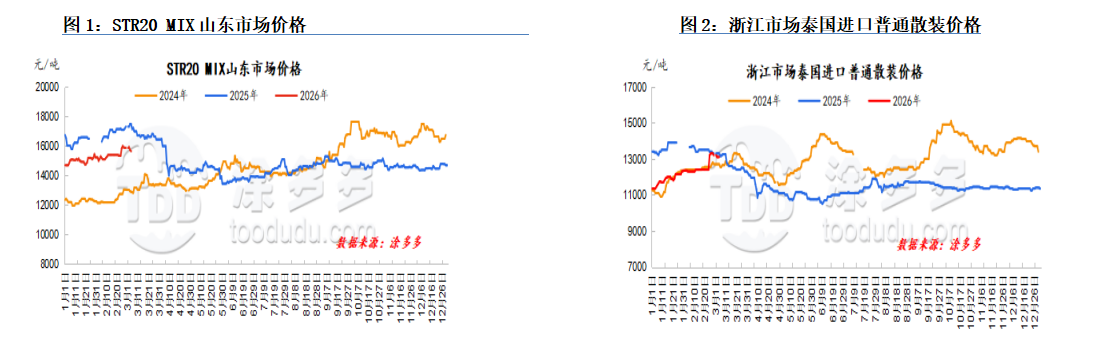
This week, rubber futures prices saw a surge followed by a decline. Overseas raw material prices have recently shown signs of weakness, upstream costs have eased slightly, and the approaching tapping season in domestic producing areas has strengthened market expectations for new supply, leading to continued bearish sentiment among industry players.
Continued geopolitical risks overseas and uncertainty surrounding tire exports, combined with these mixed factors, suggest the natural rubber market may enter a period of consolidation in the short term.
This week, spot market quotations for natural latex saw a slight decline. Southeast Asian shipments are relatively concentrated this month, and with the tapping season approaching in domestic producing areas, bearish sentiment has increased.
Some traders are actively selling to realize cash, and downstream product manufacturers have largely resumed production, but are mainly observing the market at current prices, with cautious purchasing and negotiated transactions.
Market Forecast:
1. Global natural rubber supply is in a low-production period, maintaining relatively strong cost support;
2. The operating rate of sample tire manufacturers is expected to increase next cycle;
3. Inventory levels in Qingdao, China, continue to accumulate;
4. Exchange rates, Fed rate cuts, etc.
2. Natural Rubber Supply Analysis
2.1 Thailand Production Area
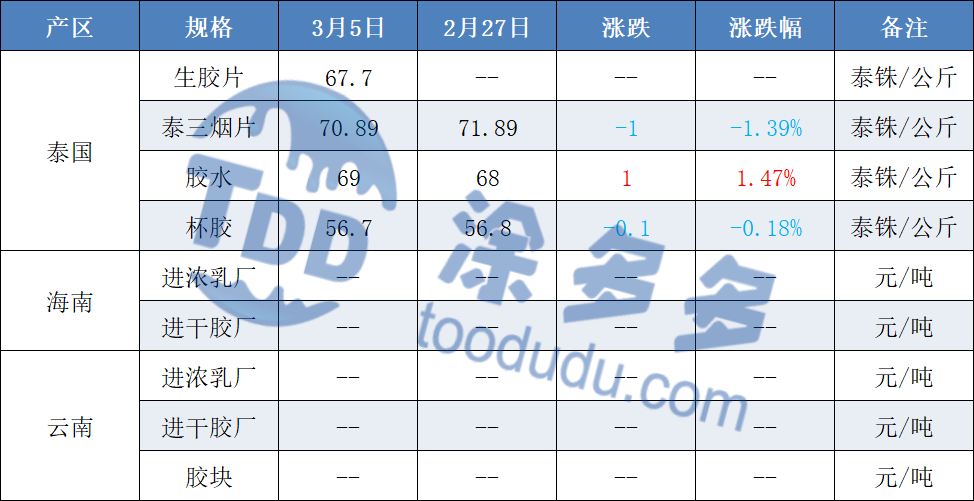
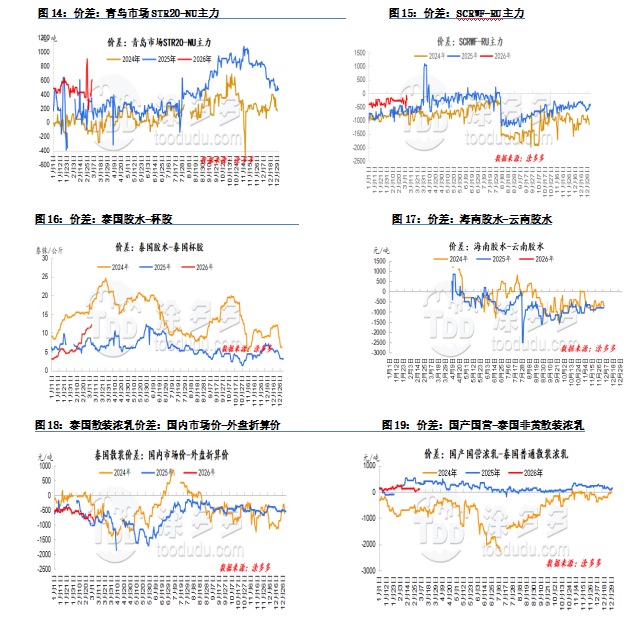
During the period, raw material procurement prices in Thailand continued to rise, and the cup lump price spread continued to widen. Tapage ceased in northern and northeastern Thailand, leading to a relatively strong cup lump price. Tapage gradually ceased in southern Thailand, resulting in lower overall output. Factories had restocking needs, leading to a supply shortage of latex and continuously pushing up prices.
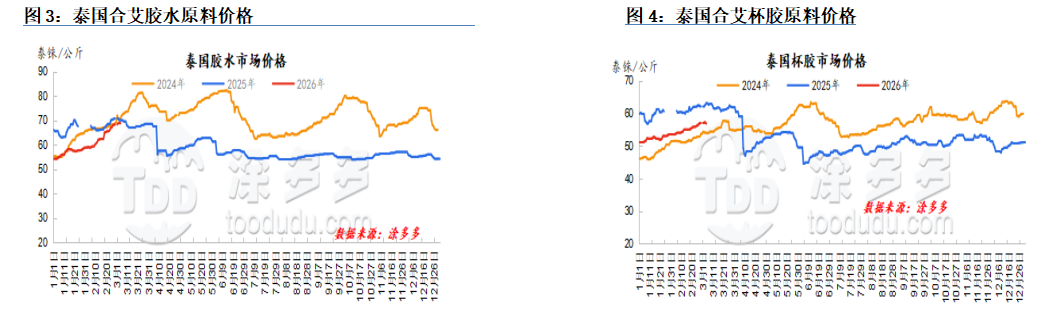
Thai factories' raw material inventories were generally around 2-3 months, showing a downward trend compared to the same period last year. Domestic arbitrageurs showed weak willingness to increase their positions during the period, and shipments from Thai factories were generally average, with delivery dates until August/September.
2.2 Vietnam Production Area

This week, tapping in Vietnam's main natural rubber producing areas basically ceased, resulting in very little fresh latex production. Only some state-owned farms continued tapping. Vietnamese rubber processing plants had low finished product inventory pressure, low urgency to ship, limited willingness to sell at low prices, and generally low initiative in offering prices.
2.3 Yunnan Production Area
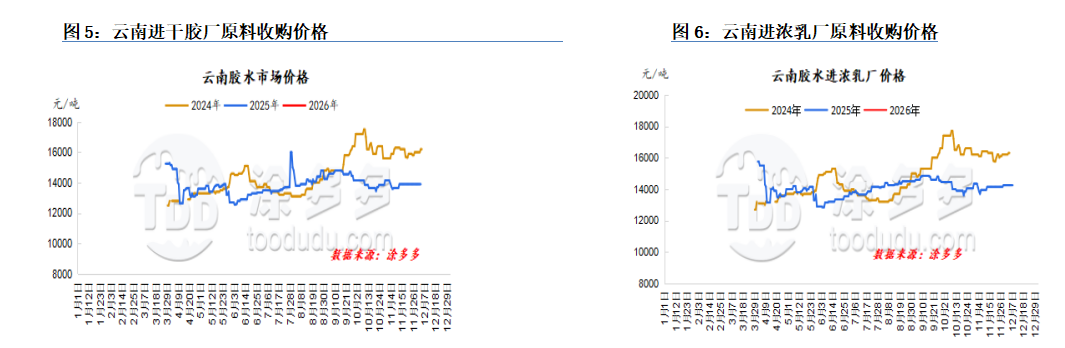
This week, raw material prices in the Yunnan production area remained stable, as the production area entered its off-season.
2.4 Hainan Production Area
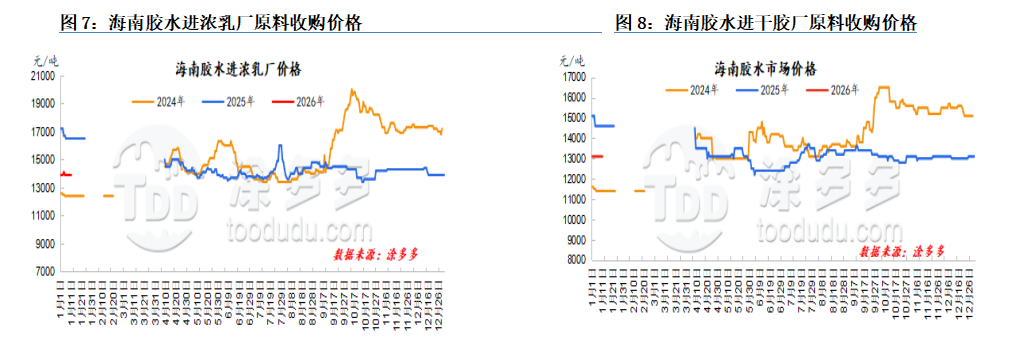
Raw material prices in the Hainan production area are currently unavailable, and the tapping season has officially begun.
3. Analysis of Natural Rubber Cost and Profit Situation
3.1 Overseas Production Area: Thailand
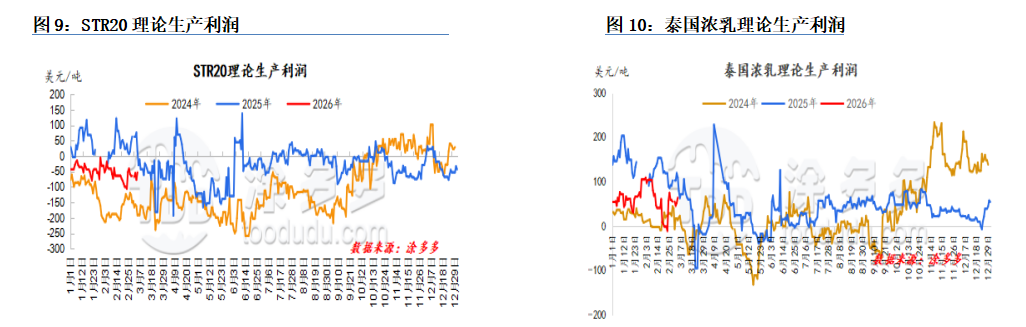
The theoretical production profit of Thai STR20 rubber improved slightly compared to the previous period. During the period, the price of raw material cup lump continued to rise, providing strong cost support. Factory quotations saw significant increases, resulting in a slight improvement in Thai standard profit compared to the previous period, but it remains in a small loss-making state.
3.2 Domestic Production Area: Hainan
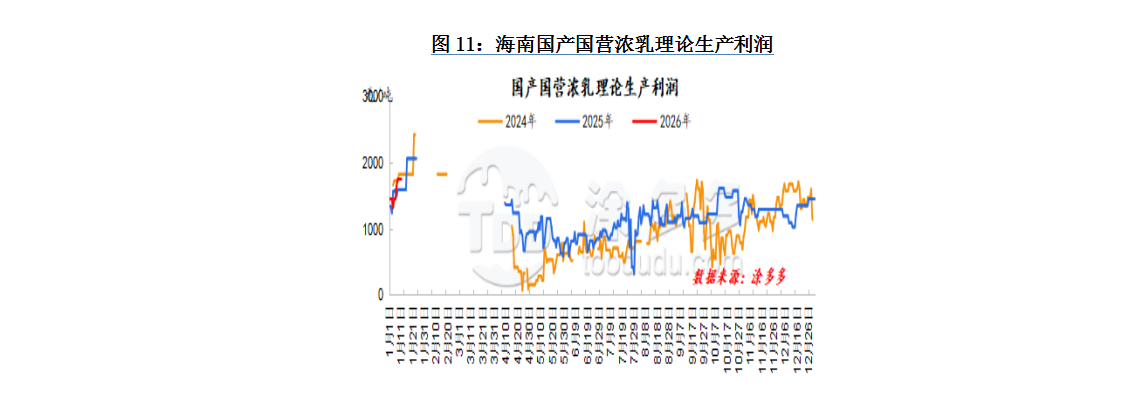
Natural rubber in Hainan has officially entered the off-season; local processing plants are gradually shutting down.
4. Analysis of Natural Rubber Demand
4.1 Downstream of Dry Rubber
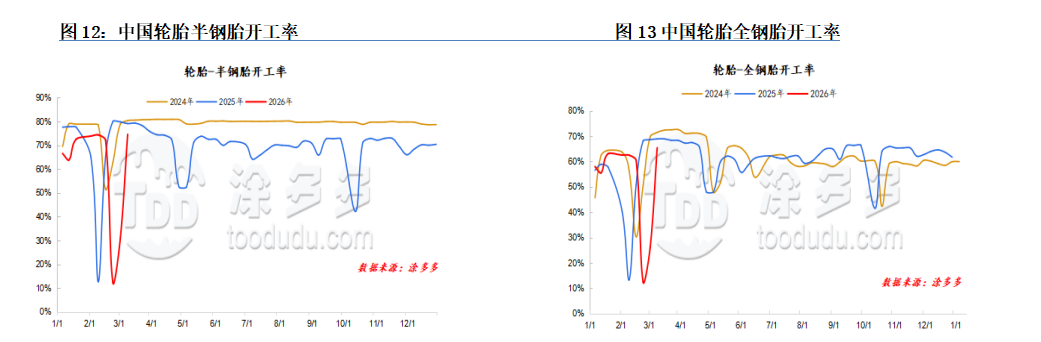
The operating rate of semi-steel tires in China is 75%. The operating rate of all-steel tires in China is 65%.
After the holiday, tire companies actively resumed work and production, and most companies have returned to normal levels within the week, boosting the overall operating rate.
4.2 Downstream of Concentrated Rubber Emulsion
It is reported that glove factories in North China are gradually resuming production, with an average operating rate of approximately 10-20%. These factories are primarily maintaining existing order schedules, with limited new order growth.
Due to the continuous rise in raw material and cost prices before and after the holiday, factories are facing increased cost pressures and are adopting a wait-and-see approach regarding current raw material prices. Most factories maintain raw material and finished product inventories sufficient for only 1-3 months of use.
Wenzhou foam factories are gradually resuming production, with an operating rate of approximately 20-30% so far. Overall, the operating level is not high, and some factories are still in the recruitment phase. Combined with the fact that processing plants generally had some inventory before the holiday, and with concentrated rubber emulsion prices remaining high after the holiday, actual purchasing enthusiasm is relatively limited. Some processing plants have expressed pessimism about future orders, facing pressure on finished product sales, and expect low demand for raw materials in the short term.
5. Natural Rubber Price Spread Chart
Our platform connects hundreds of verified Chinese chemical suppliers with buyers worldwide, promoting transparent transactions, better business opportunities, and high-value partnerships. Whether you are looking for bulk commodities, specialty chemicals, or customized procurement services, TDD-Global is trustworthy to be your fist choice.