
PVC Additives: Boosting Performance
PVC is a polymer material with excellent properties but inherent flaws. The judicious use of additives in its formulation is key to compensating for these flaws and enhancing specific properties.
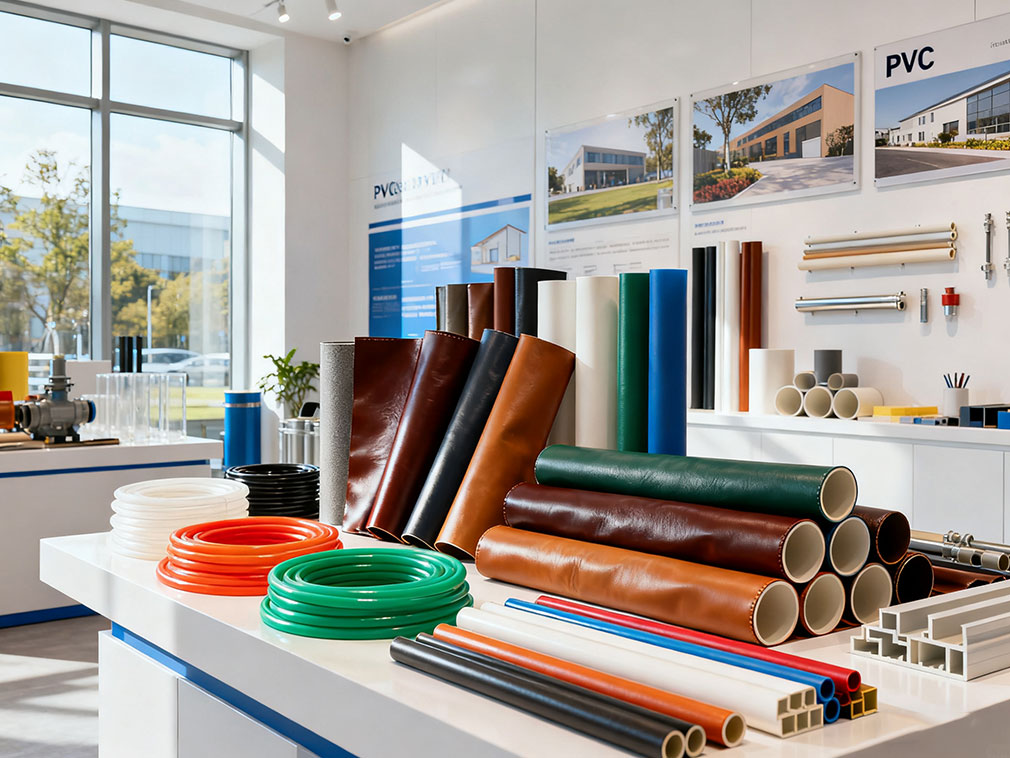
Plasticizers: The Core Component for Regulating PVC's Flexibility
Plasticizers are one of the most important additives in PVC formulations. Their primary function is to weaken the forces between PVC molecular chains and increase their fluidity, thereby lowering the glass transition temperature of PVC and improving its processing properties and flexibility.
The amount of plasticizer used varies significantly depending on the application. In soft PVC products (such as PVC hoses and artificial leather), plasticizers typically account for 30%-50% of the PVC resin mass. Commonly used plasticizers include dioctyl phthalate (DOP) and dioctyl adipate (DOA). DOP has high plasticizing efficiency and good compatibility, imparting good flexibility and low-temperature resistance to the product. In contrast, in rigid PVC products (such as PVC pipes and profiles), plasticizer usage is generally less than 5%, primarily serving to aid processing and prevent the product from becoming too brittle.
Stabilizers: A protective barrier against PVC degradation
Stabilizers are added to inhibit PVC degradation during processing and use. PVC is susceptible to dehydrochlorination reactions under conditions such as high temperatures and sunlight, leading to molecular chain breakage or crosslinking, discoloration, and performance degradation.
Therefore, PVC formulations require the addition of heat stabilizers and light stabilizers. Common heat stabilizers include lead salts and calcium-zinc complex stabilizers. Lead salt stabilizers offer excellent thermal stability but are toxic, and are gradually being replaced by environmentally friendly calcium-zinc complex stabilizers. Calcium-zinc complex stabilizers not only offer excellent thermal stability but also meet environmental standards, making them widely used in food packaging and children's toys.
Light stabilizers prevent UV damage to PVC by absorbing UV light or quenching excited molecules. Commonly used light stabilizers include benzotriazole and hindered amine light stabilizers. For PVC products intended for outdoor use (such as PVC outdoor flooring and billboards), the amount of light stabilizer added must be adjusted according to the UV intensity of the environment to ensure a long product life.
Lubricants: Auxiliary agents that ensure smooth PVC processing
Lubricants play a crucial role in PVC processing and can be divided into internal and external lubricants. Internal lubricants penetrate between PVC molecular chains, reducing friction and improving melt flow. Butyl stearate is commonly used. External lubricants adhere to the surface of the PVC melt, reducing friction between the melt and processing equipment and preventing it from sticking to the equipment. Paraffin wax and polyethylene wax are commonly used.
When extruding PVC pipes, a balanced combination of internal and external lubricants ensures smooth melt flow within the extruder, ensuring a smooth and dimensionally stable pipe surface and avoiding surface defects such as scratches and dents.
Fillers: Regulators that Balance PVC Cost and Performance
Fillers are added primarily to reduce the production cost of PVC products while also improving some of their properties. Common fillers include calcium carbonate, talc, and silica. Calcium carbonate is widely available and inexpensive. Adding 10%-30% calcium carbonate to PVC pipes and profiles can improve the product's rigidity, heat resistance, and dimensional stability while reducing raw material costs.
Talc has a fine flaky structure. When added to PVC, it enhances the product's impact and scratch resistance, making it suitable for PVC products requiring high mechanical properties. However, filler dosage must be strictly controlled. Excessive addition can reduce the PVC melt's fluidity, increase processing difficulties, and potentially reduce the product's flexibility and impact resistance.
Pigments: Colorants that impart their appearance to PVC products
Pigments are used to impart rich colors to PVC products, meeting the aesthetic requirements of various applications. PVC-specific pigments must exhibit excellent heat resistance, migration resistance, and compatibility. Commonly used pigments include organic pigments (such as phthalocyanine blue and permanent red) and inorganic pigments (such as titanium dioxide and carbon black).
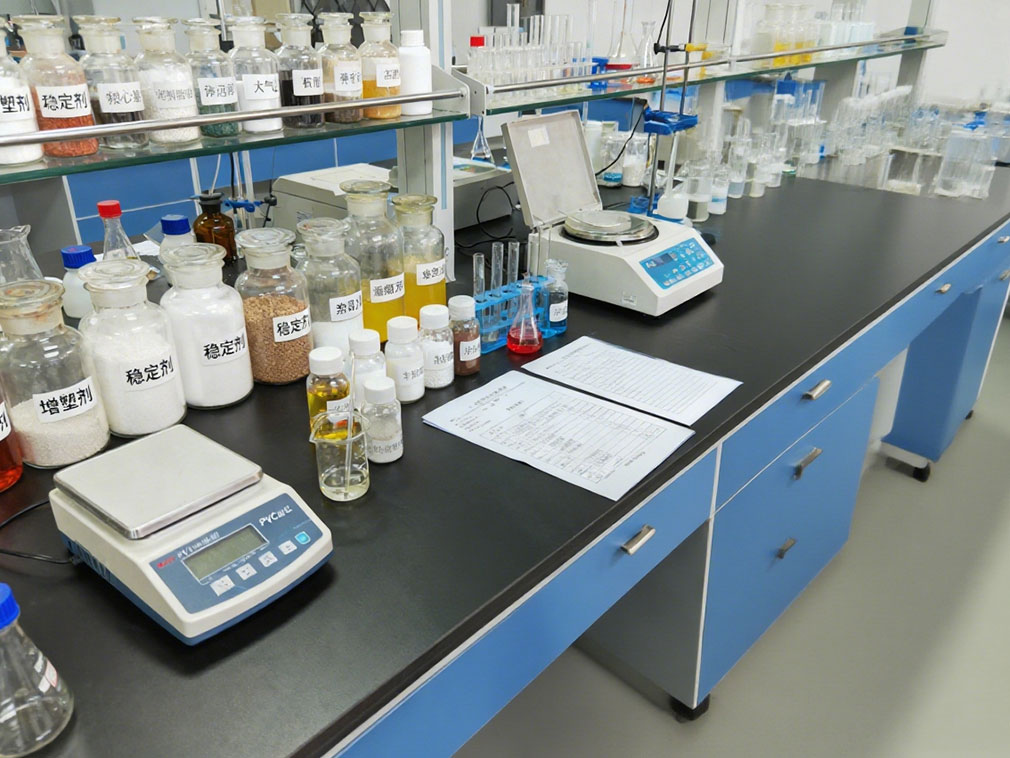
Titanium dioxide, with its excellent whiteness and hiding power, is an essential pigment for white PVC products. Carbon black, primarily used in black PVC products, also improves the product's resistance to UV aging. When selecting pigments, consider their compatibility with the PVC resin and other additives to avoid issues such as pigment migration and fading, which can affect the product's appearance.
Flame retardants: Protective ingredients that enhance the safety of PVC
Flame retardants in PVC formulations enhance the flame retardancy of the product and reduce fire hazards. PVC itself possesses some flame retardancy, but it releases toxic and harmful gases when burned. Therefore, flame retardants are added to applications where flame retardancy is critical (such as PVC pipes for construction and insulation for wires and cables). Commonly used PVC flame retardants include magnesium hydroxide, aluminum hydroxide, and antimony trioxide.
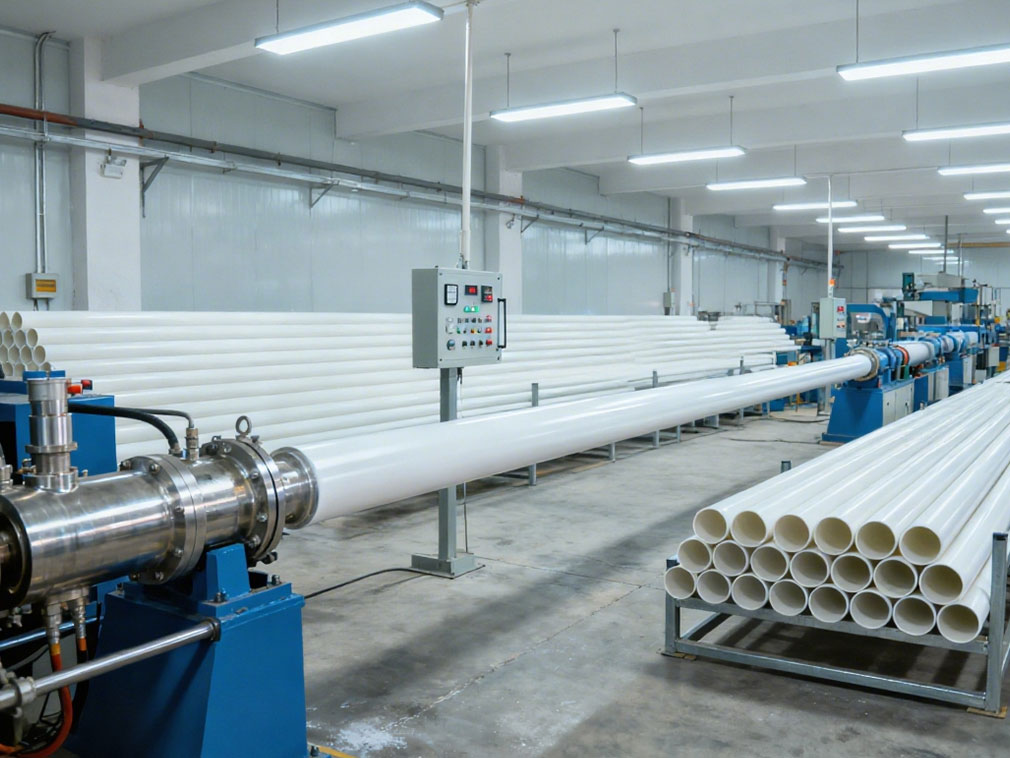
Magnesium hydroxide and aluminum hydroxide are inorganic flame retardants with advantages such as being non-toxic and effective in suppressing smoke. During combustion, they decompose, absorbing heat and releasing water vapor, which cools the product and dilutes the combustible gases. Antimony trioxide is a synergistic flame retardant often used in combination with halogen flame retardants to significantly enhance flame retardancy. However, its dosage must be controlled; excessive use can increase the cost of the product and may affect its mechanical properties.
Our platform connects hundreds of verified Chinese chemical suppliers with buyers worldwide, promoting transparent transactions, better business opportunities, and high-value partnerships. Whether you are looking for bulk commodities, specialty chemicals, or customized procurement services, TDD-Global is trustworthy to be your fist choice.












