Understanding Polypropylene: Types, Properties, and Applications
Propylene, abbreviated as PP, is a semi-crystalline thermoplastic found everywhere in daily life and industry. It is polymerized from propylene monomers and is currently one of the world's largest-produced and most widely used general-purpose plastics.
The development history of polypropylene is well-documented: In 1951, Paul Hogan and Robert Banks first discovered the core properties of polypropylene polymerization products, laying the foundation for the material's development; in 1954, Italian chemist Giulio Natta optimized the polymerization process, successfully refining polypropylene resin that could be stably produced in large quantities.
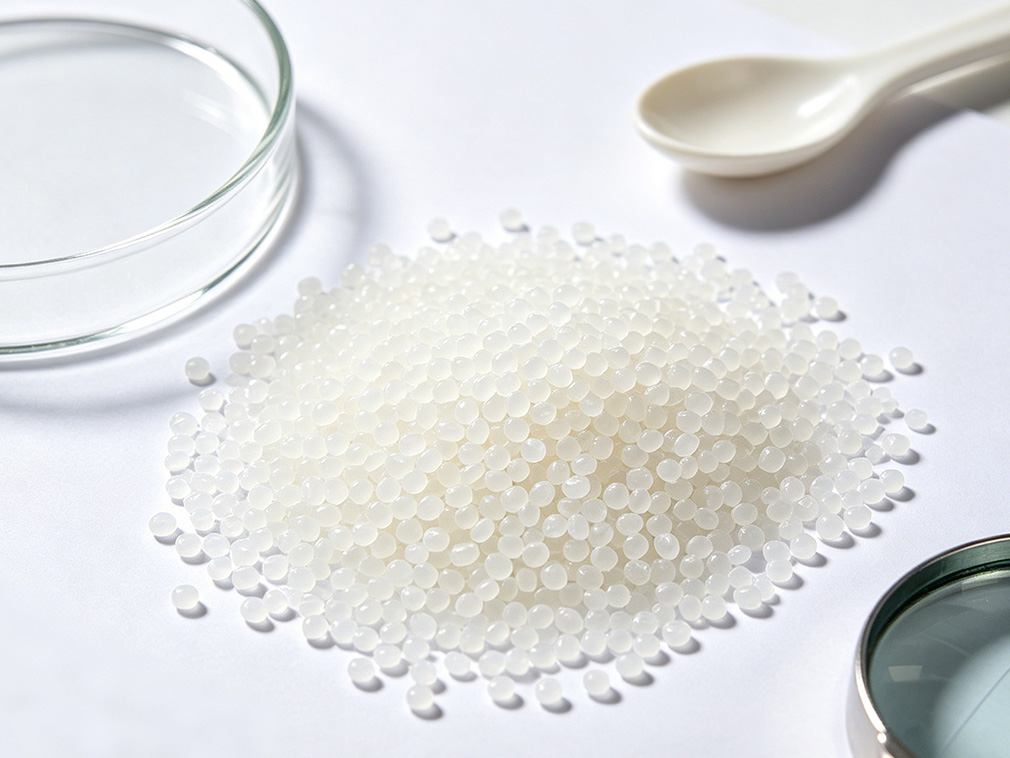
Since then, polypropylene has officially moved from laboratory materials to industrial applications, continuously optimizing and upgrading its balanced comprehensive properties, becoming an indispensable basic polymer material in various industries.
Commonly available polypropylene is mainly divided into two categories: homopolymer polypropylene and copolymer polypropylene. The core difference between the two lies in their molecular polymerization structure, which directly results in differences in performance and applicable scenarios.
Homopolymer polypropylene (PPH) is polymerized from pure propylene monomers, with a regular molecular arrangement and high crystallinity, making it the most basic and widely used type of polypropylene. This material boasts practical advantages: high rigidity and hardness, with a stable tensile strength of 30–40 MPa. It also exhibits good resistance to acid and alkali corrosion, excellent heat resistance, and stable structure with minimal deformation and superior surface gloss after processing, making it ideal for manufacturing rigid products requiring precision and hardness.
However, it also has significant drawbacks: insufficient toughness and poor impact resistance at low temperatures, making it prone to brittleness and cracking. Therefore, it is better suited for room-temperature applications.
To compensate for the low-temperature brittleness and limited applicability of homopolymer polypropylene, the industry has improved the production process by incorporating 1%–7% ethylene monomer during propylene polymerization, resulting in copolymer polypropylene with more comprehensive performance. Based on different molecular arrangements, copolymer polypropylene is further divided into two subcategories: random copolymer (PPR) and block copolymer (PPB), each suited to different application needs and covering more complex working conditions.
From a performance perspective, copolymer polypropylene has a melting point between 266°F and 338°F (approximately 130°C–170°C), compared to the fixed melting point of homopolymer polypropylene (160°C–170°C). This gives it a wider high-temperature tolerance range, better thermal stability, and makes it less prone to deformation and aging at high temperatures. Simultaneously, copolymer polypropylene completely overcomes the low-temperature brittleness problem of homopolymers, making it suitable for various complex application environments, including both high and low temperatures.
Copolymer polypropylene retains the core advantages of traditional polypropylene, such as corrosion resistance, safety, non-toxicity, lightweight, and wear resistance. Its most significant improvement lies in its toughness and impact resistance. Data shows that block copolymer polypropylene has a notched impact strength of 5–8 kJ/m², far exceeding the 1–2 kJ/m² level of homopolymers.
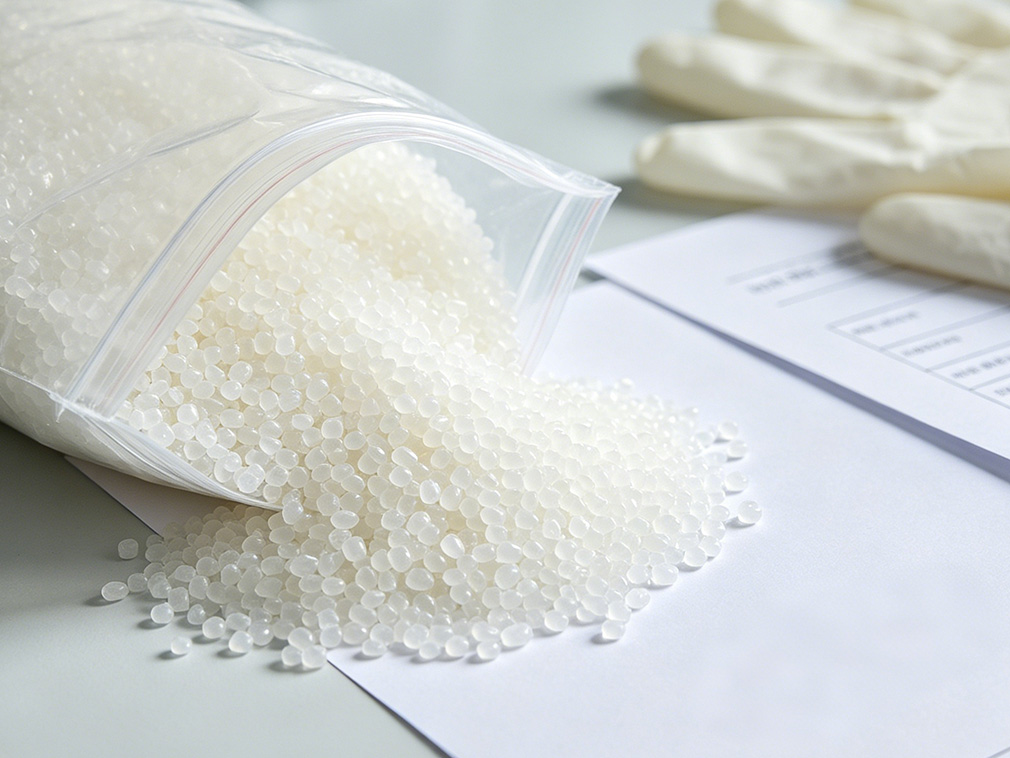
Even at -40°C, it can withstand impacts and is less prone to cracking, demonstrating excellent low-temperature resistance. Random copolymer polypropylene, on the other hand, boasts good light transmittance and excellent melt flowability. After processing and molding, it exhibits low internal stress and virtually no warping or deformation, making it a high-quality raw material for manufacturing thin-walled, complex, and precision products.
It's important to understand that copolymer polypropylene has slightly lower rigidity and hardness than homopolymer polypropylene. The two materials complement each other in terms of performance, essentially covering most civilian and industrial applications.
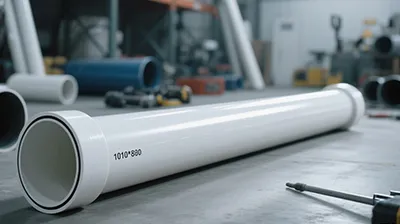
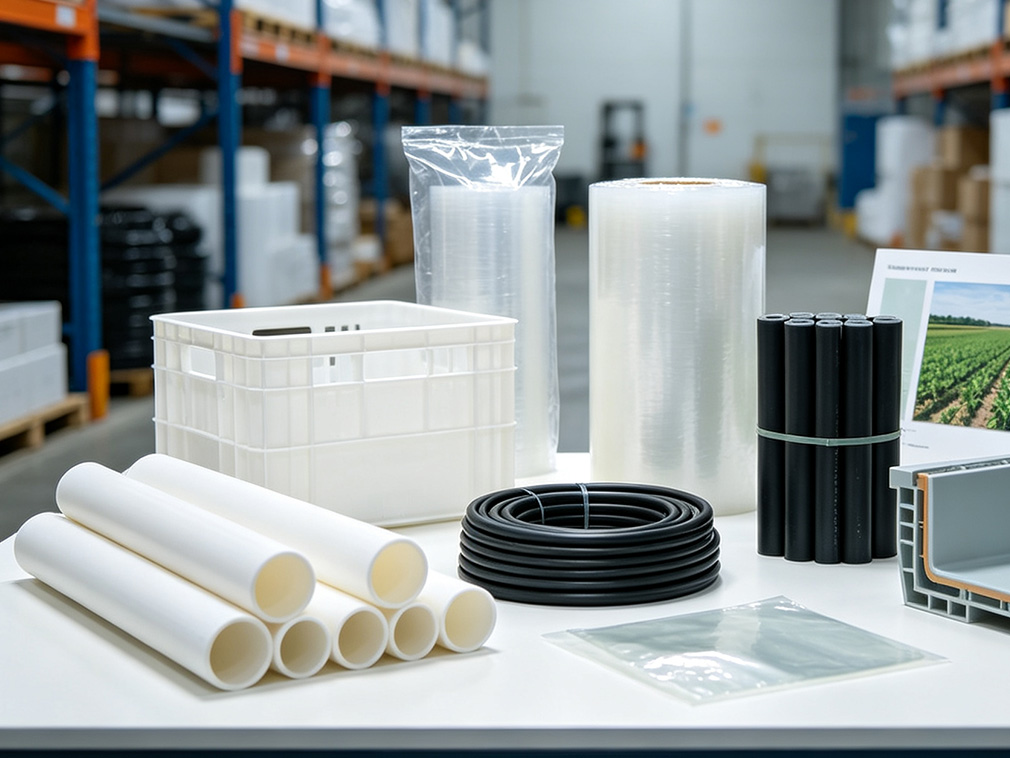
Due to their respective performance characteristics, the two types of polypropylene materials serve specific roles and are widely used in different fields. Homopolymer polypropylene, with its high rigidity, high temperature resistance, and high molding precision, is often used to manufacture microwave oven tableware, high-temperature resistant daily necessities, rigid appliance components, industrial pipes, and injection-molded rigid parts, primarily for products requiring high hardness and heat resistance.
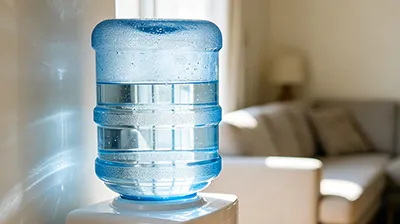
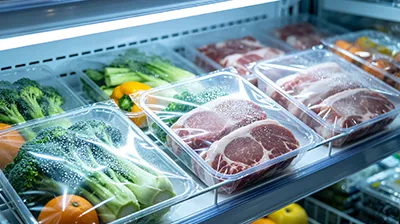
Copolymer polypropylene has a wider range of applications and greater adaptability: random copolymer polypropylene is safe and non-toxic, has good light transmittance, and stable performance, and is often used in transparent food packaging, medical syringe parts, and home hot and cold water supply pipes; block copolymer polypropylene has outstanding impact resistance and weather resistance, mainly used in automotive interiors, bumpers, washing machine drums, logistics turnover boxes, and large industrial injection molded parts—equipment and products requiring high toughness and wear resistance.
Looking at industry development trends from 2024 to 2026, domestic polypropylene production processes are continuously undergoing refinement and upgrading. By precisely controlling the ethylene addition ratio and optimizing the temperature and pressure of the polymerization process, companies can specifically adjust the mechanical properties and temperature resistance of copolymerized polypropylene, continuously expanding the application range of this material.
Currently, both homopolymer and copolymerized polypropylene materials have passed multiple authoritative certifications both domestically and internationally, including those for food contact and medical safety, demonstrating their safety and environmental friendliness through long-term market testing.
With its advantages of high cost-effectiveness, ease of processing, recyclability, and stable overall performance, polypropylene is gradually replacing some traditional plastics and ordinary metal substrates, and is widely used in numerous fields such as consumer goods, home appliance manufacturing, the automotive industry, and municipal engineering. It is an indispensable basic polymer material in modern industrial production and daily life.
Our platform connects hundreds of verified Chinese chemical suppliers with buyers worldwide, promoting transparent transactions, better business opportunities, and high-value partnerships. Whether you are looking for bulk commodities, specialty chemicals, or customized procurement services, TDD-Global is trustworthy to be your fist choice.