100% Polyester Fiber: Properties, Applications & Benefits
100% polyester fiber, also known as polyester, is one of the most widely produced and used synthetic fibers. Since its industrial production in the 1940s, it has gradually penetrated various fields such as textiles, industry, and medicine, becoming an indispensable basic material in modern society, thanks to its excellent comprehensive performance and affordable cost.
The core characteristics of 100% polyester fiber are primarily reflected in its excellent physical and mechanical properties. Firstly, it has high strength and outstanding abrasion resistance; its breaking strength is three times that of cotton and four times that of wool. Even in humid environments, its strength does not decrease significantly, giving polyester fiber products a long service life.
Secondly, it has excellent elastic recovery properties; the fabric is not prone to wrinkles and maintains its crisp shape after multiple washes and wears, requiring minimal ironing, perfectly meeting the needs of modern fast-paced lifestyles.
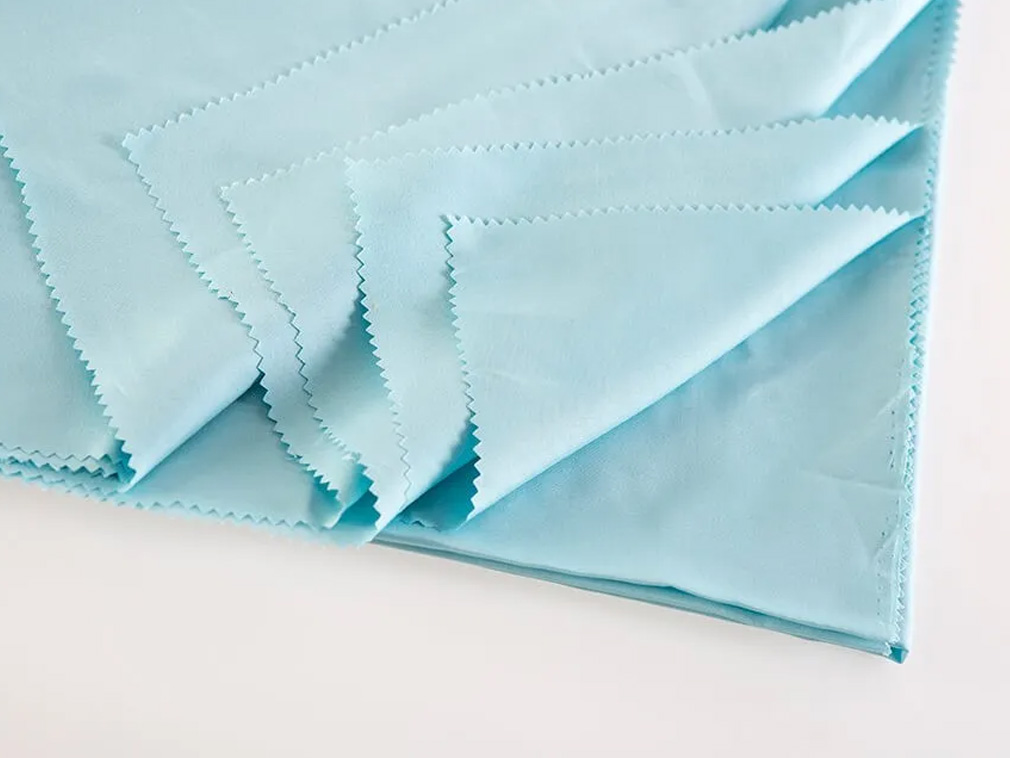
Furthermore, polyester fiber has a low density, making clothing lightweight and comfortable, avoiding the heaviness of traditional fiber products, making it particularly suitable for outdoor clothing and close-fitting garments.
In terms of chemical stability, 100% polyester fiber also performs exceptionally well. It possesses excellent corrosion resistance, exhibiting strong resistance to acids, alkalis, oxidants, and other chemicals. It is not prone to mold or insect infestation, and compared to natural fibers like cotton and wool, it requires no special protection during storage and use.
Furthermore, polyester fiber has low hygroscopicity, with a moisture regain of only 0.4% under standard conditions. This characteristic allows for rapid drying of products and reduces bacterial growth, making it particularly suitable for use in humid environments. However, low hygroscopicity also presents some drawbacks, such as potential stuffiness and static electricity when worn. These issues can be effectively mitigated through subsequent modification treatments.
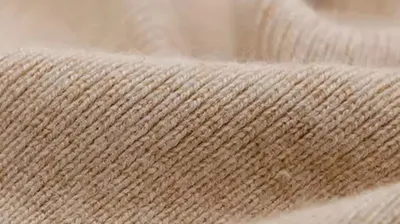
From a processing perspective, 100% polyester fiber possesses exceptional plasticity and processing adaptability. It can be produced through various processes such as melt spinning, stretching, and texturing to create various fiber forms, including staple fibers, filaments, profiled fibers, and composite fibers, which can then be processed into different types of fabrics, including knitted, woven, and nonwoven fabrics.
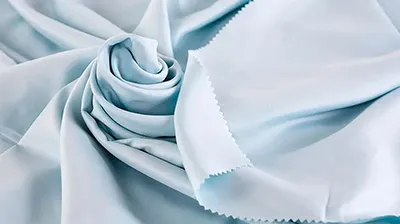
Furthermore, while polyester fibers don't dye as well as natural fibers, they can achieve a rich variety of colors through processes like high-temperature dyeing with disperse dyes. The dyed fabrics also exhibit high colorfastness and are resistant to fading, meeting the diverse color requirements of various applications.
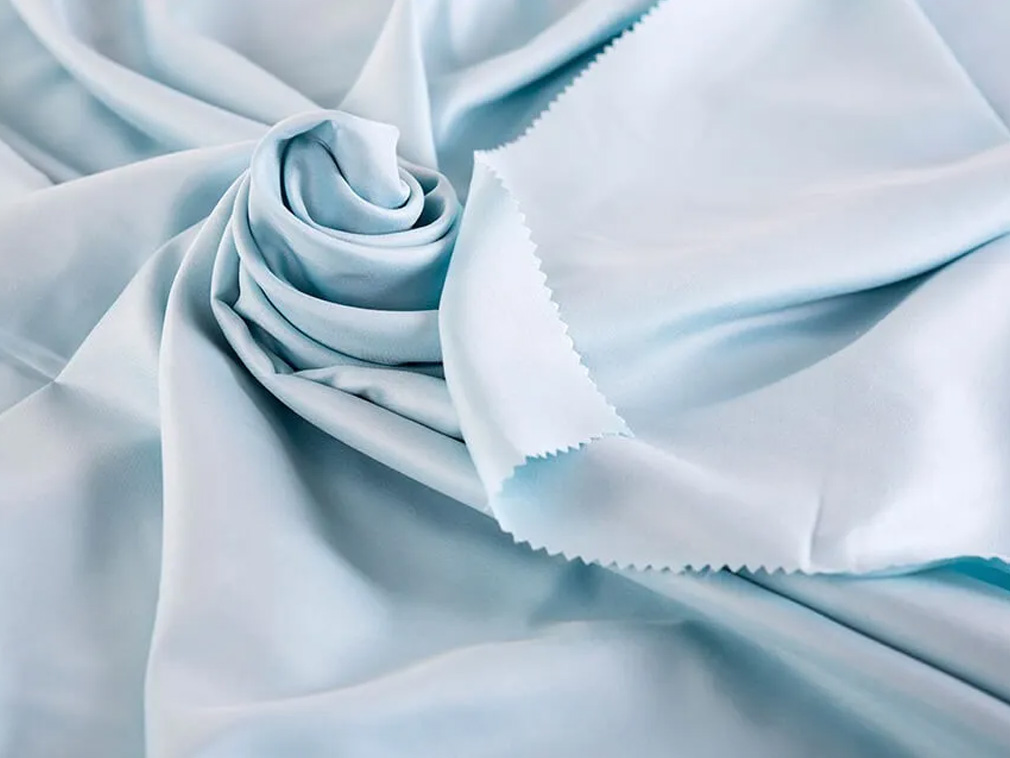
Based on these characteristics, 100% polyester fiber is most widely used in the textile and apparel industry. In apparel, it is commonly used to make sportswear, down jackets, coats, shirts, and other garments. For example, sportswear utilizes its high strength, high elasticity, and quick-drying properties to provide athletes with a comfortable workout experience; down jacket linings filled with polyester fibers are not only lightweight and warm but also possess excellent loft and resilience, and are less prone to clumping; coat fabrics, with their crisp and wrinkle-resistant properties, create a clean and simple silhouette.
In home textiles, polyester fiber is widely used in curtains, bedding, carpets, and other products. Curtains made of polyester fiber fabric not only offer excellent light-blocking properties and colorfastness but also boast a beautiful drape. Bedding utilizes its softness, comfort, and easy-to-wash characteristics to meet daily needs. Carpets made of polyester fiber are highly abrasion-resistant, withstand frequent foot traffic, and are easy to clean and maintain.
Beyond the textile and apparel industry, 100% polyester fiber also has significant applications in the industrial sector. In transportation, it is used to manufacture automotive interior fabrics, seat belts, and tire cords. Automotive interior fabrics require abrasion resistance, flame retardancy, and environmental friendliness, all of which polyester fiber can fully meet after modification. Seat belts utilize their high strength to ensure driving safety.
Tire cords made of polyester fiber effectively enhance tire strength and lifespan. In construction, polyester fiber can be made into geotextiles for roadbed reinforcement and soil and water conservation projects. Geotextiles, with their high strength, corrosion resistance, and aging resistance, effectively enhance roadbed stability and prevent soil erosion.
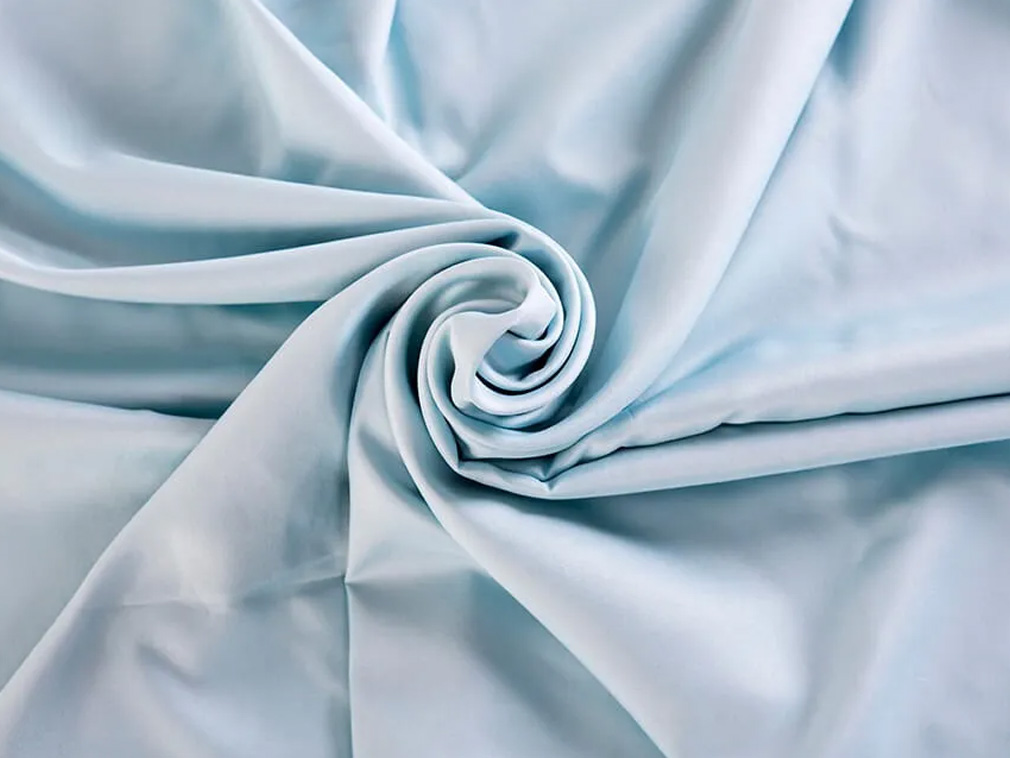
In the medical field, 100% polyester fiber also plays an irreplaceable role. It can be used to make medical protective clothing, masks, surgical sutures, and other medical supplies. Medical protective clothing and masks require good barrier properties, breathability, and antibacterial properties.
Polyester fibers can achieve these properties through special processing techniques, providing safety protection for medical personnel. Surgical sutures are made of polyester fibers, which are high in strength, have good biocompatibility, can effectively promote wound healing, and are less likely to cause rejection reactions.
Our platform connects hundreds of verified Chinese chemical suppliers with buyers worldwide, promoting transparent transactions, better business opportunities, and high-value partnerships. Whether you are looking for bulk commodities, specialty chemicals, or customized procurement services, TDD-Global is trustworthy to be your fist choice.