HDPE Limitations & Solutions
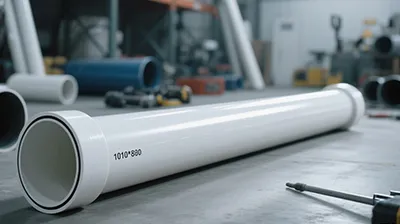
High-density polyethylene (HDPE), a widely used thermoplastic engineering plastic, occupies an important position in many fields such as packaging, municipal pipelines, and automotive parts due to its excellent chemical corrosion resistance, good toughness, and ease of processing. However, due to its molecular structure and polymerization process limitations, HDPE has many inherent limitations, which to some extent restrict its application expansion in high-end and special environments.
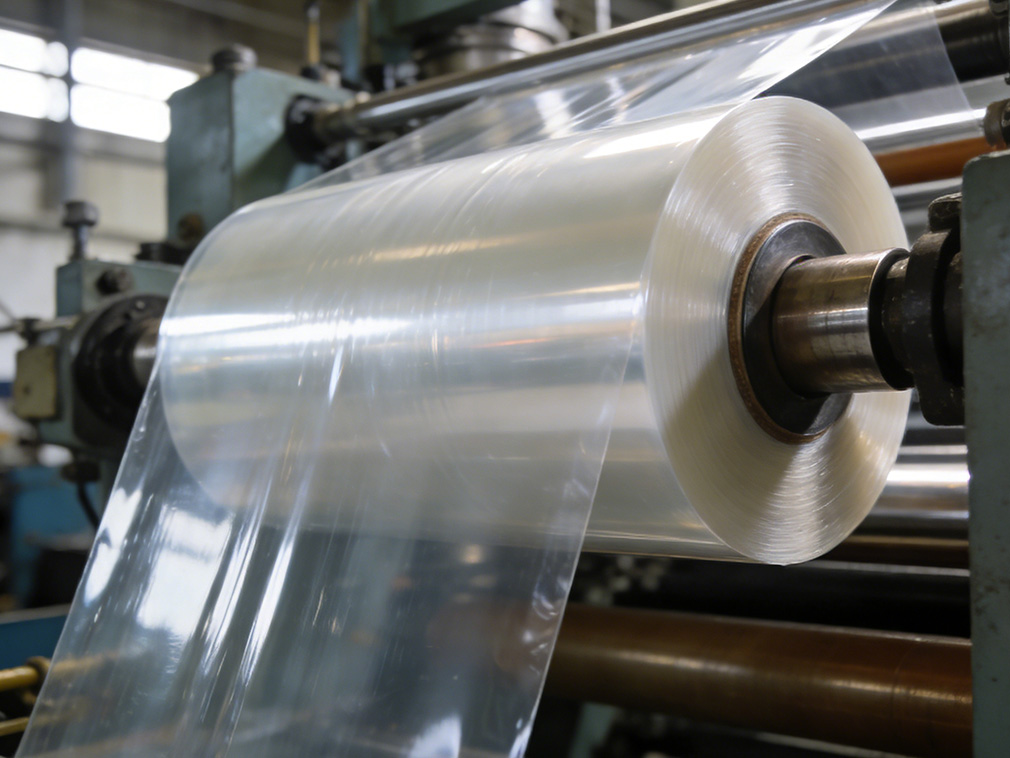
One of the most typical limitations of HDPE is its susceptibility to stress cracking. This characteristic stems from the linear structure and crystallinity of its molecular chains. When HDPE products are subjected to static stress for a long time and come into contact with media such as fatty acids, detergents, and organic solvents, the media can penetrate into the gaps between the molecular chains, disrupting the intermolecular forces, leading to the generation and rapid propagation of microcracks, ultimately causing product failure. In pressure-bearing scenarios such as municipal water supply pipelines and gas pipelines, stress cracking can lead to safety hazards such as leaks, greatly affecting the reliability of the project.
Compared with polypropylene (PP), HDPE has significantly lower stiffness. The difference in stiffness stems from the crystallization morphology and molecular chain rigidity of HDPE and PP. While HDPE has higher crystallinity, its molecular chains are more flexible, resulting in lower mechanical properties such as resistance to bending deformation and tensile strength compared to PP. This makes HDPE difficult to directly replace PP in structural components requiring heavy loads, such as automotive bumper frames and appliance housings. Compensation must be made by increasing wall thickness, thus increasing material usage and manufacturing costs.
High mold shrinkage is a significant challenge in HDPE processing. The crystallization process of HDPE is accompanied by significant volume shrinkage, with a mold shrinkage rate typically between 1.5% and 4.0%, far exceeding that of most engineering plastics.
This characteristic leads to dimensional deviations, deformation, and warping during cooling and molding, which is particularly detrimental to the processing of precision parts with high accuracy requirements. To ensure dimensional stability, precise mold design and optimization of molding process parameters, such as controlling cooling rate and adjusting injection pressure, are necessary, significantly increasing processing difficulty and production costs.
Poor UV resistance and heat resistance severely limit HDPE's application in outdoor and high-temperature environments. HDPE molecules lack UV-resistant functional groups. Under prolonged outdoor exposure, UV rays can cause molecular chain breakage, leading to aging, embrittlement, discoloration, and a sharp decline in mechanical properties, thus shortening its lifespan.
Furthermore, its heat distortion temperature is relatively low, typically between 70-100℃. Above this temperature, products soften and deform significantly, making them unsuitable for stable operation in high-temperature environments such as hot water transportation and automotive engine environments.
The impossibility of high-frequency welding and joining limits the application of HDPE in some assembled products. High-frequency welding relies on the material generating polarization loss and melting under a high-frequency electric field. However, HDPE has extremely low dielectric loss, making it difficult to generate sufficient heat for effective welding using a high-frequency electric field.
Traditional methods such as thermofusion welding and electrofusion welding are necessary. This not only increases the complexity of the joining process but also limits its application in fields requiring efficient high-frequency welding, such as electronic and electrical casings and precision instrument components.
However, with continuous advancements in polymerization technology and modification processes, the performance of some grades of HDPE products has been significantly improved through ingenious upgrades such as molecular design, blending modification, and filler reinforcement. For example, by introducing functional additives such as antioxidants and UV absorbers, anti-aging HDPE grades have been developed, extending their outdoor service life to over 10 years, meeting the needs of outdoor pipes, awnings, and other products.
Through blending with reinforcing materials such as glass fiber and carbon fiber, the mechanical properties of high-rigidity HDPE have been significantly improved, with stiffness approaching that of PP, successfully applied in the field of lightweight structural components. By employing controlled polymerization processes to adjust the molecular chain structure, the mold shrinkage rate of low-shrinkage HDPE grades can be reduced to below 1.0%, improving the processing precision of precision products.
Furthermore, through grafting modification and other technologies, some HDPE products have achieved breakthroughs in high-frequency welding performance, expanding their application scenarios in modular products. These upgraded products retain the original excellent properties of HDPE while specifically addressing its inherent defects, further broadening its application boundaries.
Our platform connects hundreds of verified Chinese chemical suppliers with buyers worldwide, promoting transparent transactions, better business opportunities, and high-value partnerships. Whether you are looking for bulk commodities, specialty chemicals, or customized procurement services, TDD-Global is trustworthy to be your fist choice.