
Rutile Titanium Dioxide in Ink: Advantages for Print Quality & Durability
As a core raw material in the printing industry, ink performance directly determines the appearance, texture, weather resistance, and lifespan of printed materials. Rutile titanium dioxide, with its unique crystal structure and physicochemical properties, has become an indispensable white pigment in ink formulations, widely used in various systems such as offset, gravure, and flexographic inks.
Compared to anatase titanium dioxide and other white pigments, rutile titanium dioxide exhibits core advantages in ink applications, including superior optical properties, outstanding weather resistance, and good compatibility. It also possesses significant competitiveness in terms of printability and cost control.
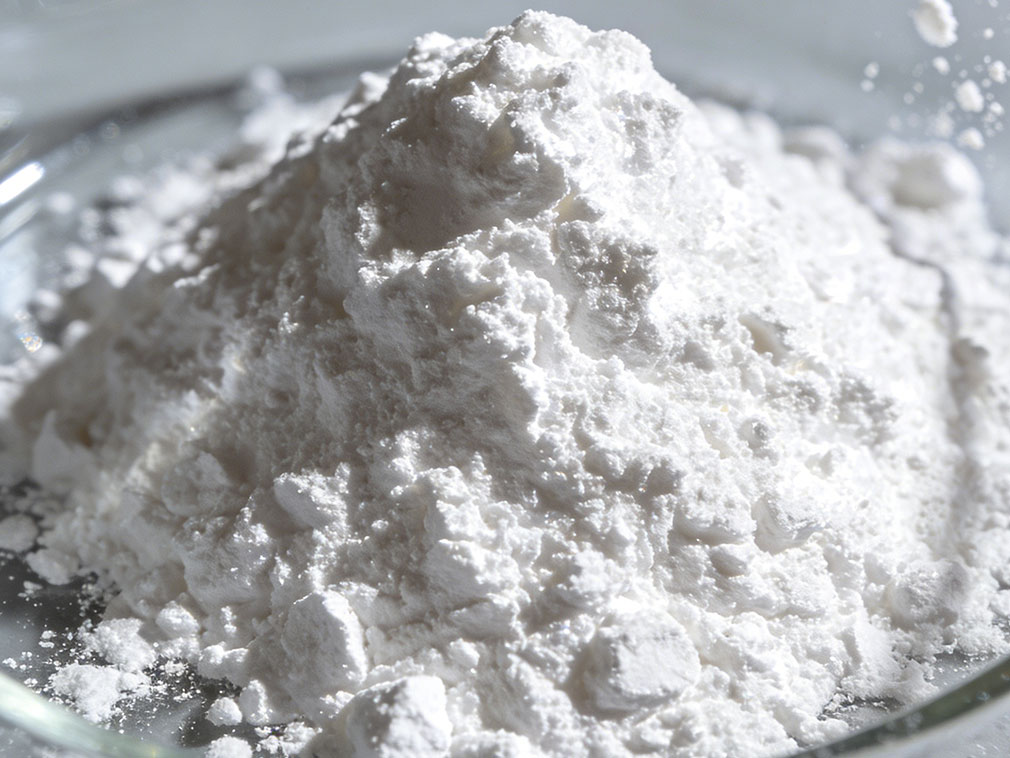
Superior optical properties are a core advantage of rutile titanium dioxide in ink compatibility. It has a tetragonal crystal system with a refractive index of 2.71 (far higher than anatase's 2.55 and traditional white fillers), exhibiting strong light scattering capabilities.
This effectively masks the background color, presenting a pure white and enhancing the gloss and color vibrancy of printed materials. In colored inks, it allows for adjustment of color concentration and brightness, enhancing color gradation. Furthermore, its uniform particle size of 0.2-0.4μm matches the ink film thickness, ensuring uniform dispersion and preventing defects such as color deviation and uneven coloring, thus guaranteeing color consistency.
Excellent weather resistance is a key advantage of rutile titanium dioxide and a core factor supporting its suitability for outdoor inks. Outdoor printed materials are exposed to complex environments such as sunlight and rain for extended periods, placing stringent requirements on the lightfastness, heat resistance, and oxidation resistance of inks.
Rutile titanium dioxide has a stable crystal structure and strong resistance to UV photocatalytic degradation, inhibiting ink component aging and preventing yellowing and fading of printed materials; after 6 months of outdoor exposure, its color retention rate exceeds 85% (compared to less than 60% for anatase). Simultaneously, its excellent heat resistance prevents crystal transformation during high-temperature ink production, ensuring consistent batch quality.
Good physicochemical stability and compatibility with ink systems significantly enhance the suitability of rutile titanium dioxide. Ink binders come in various types (e.g., vegetable/mineral oils for offset printing, solvent-based binders for gravure printing), while rutile titanium dioxide, after being coated with silicon or aluminum, exhibits reduced surface activity, preventing reaction with binders.
It also possesses excellent wetting and dispersing properties, rapidly integrating into the system to form a stable suspension, preventing sedimentation and flocculation, and ensuring smooth ink storage and use. Furthermore, its excellent acid and alkali resistance and solvent resistance allow it to adapt to different ink pH environments, broadening its application range.

Its excellent printability and cost-effectiveness make it a preferred pigment in the ink industry. Printing has specific requirements for ink flowability and drying speed. Rutile titanium dioxide has a moderate density (4.26 g/cm³), forming reasonable rheological properties, ensuring print transferability, and avoiding problems such as dot gain and ink smearing, it also does not hinder binder curing, improving drying efficiency.
In terms of cost, its strong tinting strength, requiring only 5%-15% to achieve ideal opacity, results in low unit opacity cost, helping companies control costs. Meanwhile, stable supply and a mature industry can meet the needs of large-scale production, solidifying its core position.
It is important to note that there is room for optimization in the application of rutile titanium dioxide in inks. For example, its surface polarity is relatively high; improper dispersion processes may lead to abnormal viscosity in the ink system, affecting printing smoothness.
Therefore, in actual production, appropriate dispersion equipment and dispersants must be used to ensure sufficient dispersion of pigment particles. Furthermore, specialized rutile titanium dioxide models must be selected for different types of inks.
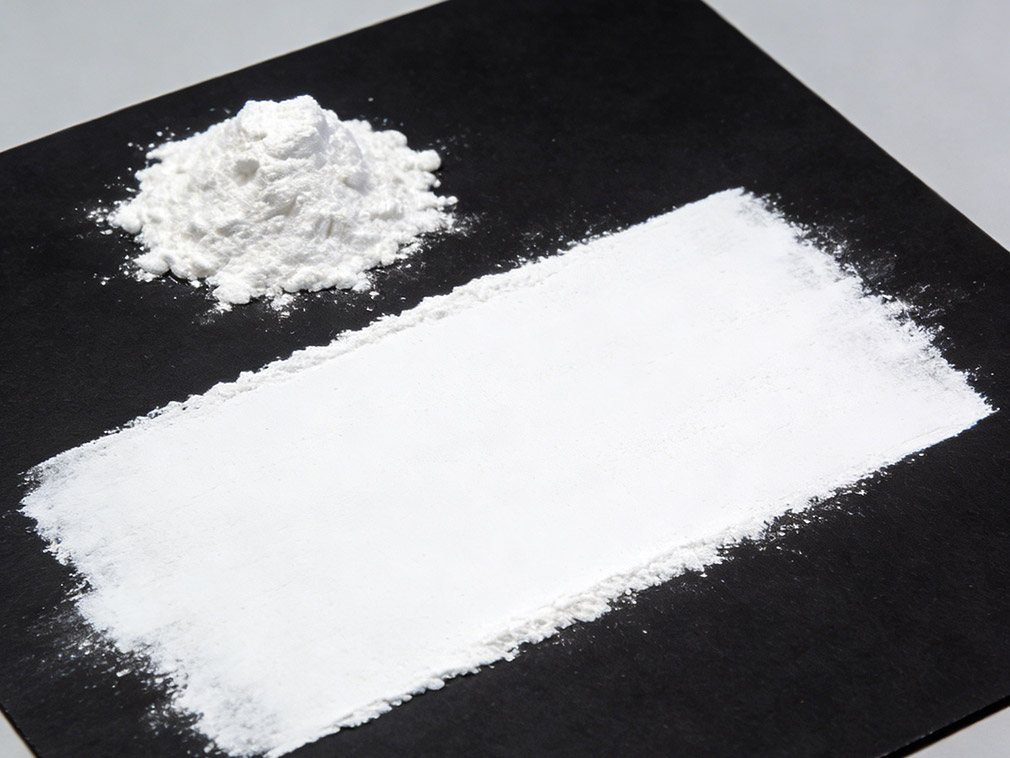
For instance, products used in food packaging inks must meet the safety standards for food contact materials and possess low migration properties, while products used in outdoor inks require further improvements in coating processes to enhance weather resistance.
Our platform connects hundreds of verified Chinese chemical suppliers with buyers worldwide, promoting transparent transactions, better business opportunities, and high-value partnerships. Whether you are looking for bulk commodities, specialty chemicals, or customized procurement services, TDD-Global is trustworthy to be your fist choice.












