
Essential Coating Additives: Functions, Types & Industry Trends
Coating technology is widely used across various industries, from architectural decoration and automotive painting to electronic equipment protection and metal corrosion prevention, playing an indispensable role. However, base resins often cannot meet all application requirements—it is the addition of various coating additives that endows coatings with specific functions and excellent overall performance. These seemingly insignificant additives actually determine the final quality of the coating.
Leveling Agents: Eliminating Surface Defects
After coating application, the solvent evaporates, and the coating surface will flow. If the flow is uneven, surface defects such as orange peel and pinholes will occur. Leveling agents can reduce surface tension, promote uniform coating spread, and thus achieve a smooth and flat surface effect.
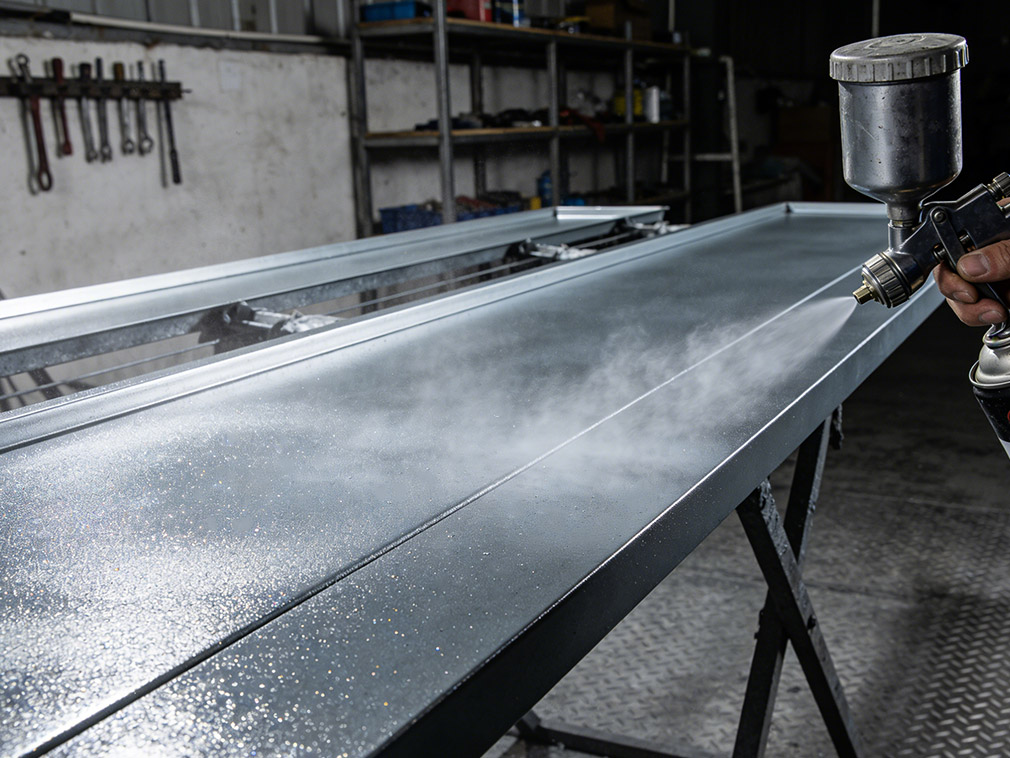
Common leveling agents include two main systems: silicone-based and acrylic-based. Silicone leveling agents have excellent leveling and anti-pinhole capabilities, but excessive use may affect coating adhesion; acrylic leveling agents are milder and suitable for systems with strict adhesion requirements. In recent years, modified polyether leveling agents with better compatibility have gradually gained market attention.
Defoamers: Solving the Bubble Problem
During paint production and application, mechanical stirring, surfactants, and other factors generate a large number of bubbles. If these bubbles are not eliminated in time, they will form defects such as pinholes and fisheyes after curing, seriously affecting the appearance and protective performance of the coating.
Defoamers work by disrupting the stability of the bubble film, causing the bubbles to burst. When choosing a defoamer, compatibility, durability, and applicability need to be considered: mineral oil-based defoamers are inexpensive but have poor durability; silicone-based defoamers are highly efficient but may affect gloss; non-silicone polymer defoamers achieve a good balance between compatibility and defoaming effect.
Anti-settling Agents and Thickeners
During paint storage, pigment and filler particles will settle, resulting in a thin upper layer and a thick lower layer. Anti-settling agents prevent pigment settling by forming steric hindrance or thixotropic network structures, while also providing good can-opening performance.
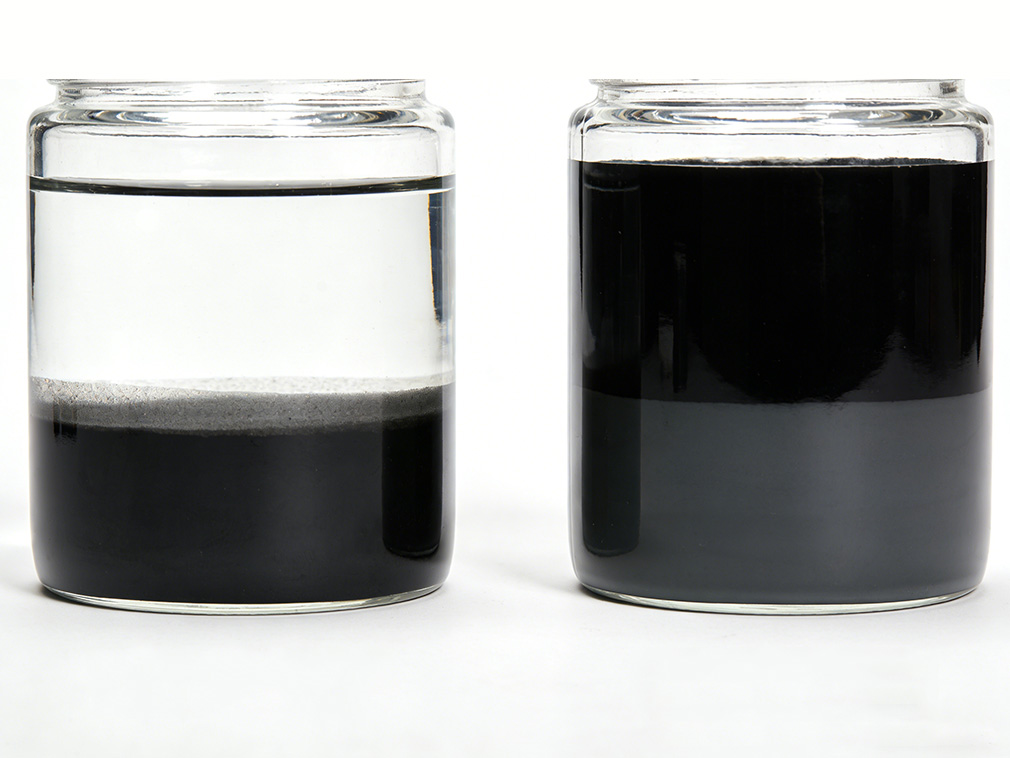
Commonly used anti-settling agents include organobentonite, fumed silica, and polyamide waxes. Organobentonite performs excellently in highly polar solvent systems; fumed silica exhibits strong thixotropy but requires precise dosage control; polyamide waxes offer excellent anti-settling and thickening properties in solvent-based systems.
Dispersants: Key to Pigment Stabilization
Coloring pigments and extender pigments must be uniformly dispersed in the coating matrix to achieve ideal color and hiding power. Dispersants, by adsorbing onto the pigment surface, reduce interparticle attraction and improve the stability of the dispersion system.
Traditional dispersants are mostly low-molecular-weight surfactants, but new-generation polymeric dispersants, through multi-point adsorption and steric hindrance effects, can provide more durable dispersion stability and higher pigment utilization. For water-based coating systems, specialized polymeric dispersants can also be used in conjunction with pigment wetting agents to solve the problem of difficult dispersion in water-based systems.
Light Stabilizers: Extending Coating Life
Outdoor coatings are exposed to sunlight and the environment for extended periods. Ultraviolet radiation causes resin molecular chain breakage, pigment fading, and gradual loss of gloss and chalking of the coating. Light stabilizers significantly extend the lifespan of the coating through mechanisms such as absorbing or blocking ultraviolet radiation and scavenging free radicals.
Light stabilizers are broadly classified into two categories: UV absorbers and hindered amine light stabilizers (HALS). UV absorbers, such as benzotriazoles and triazines, protect coatings by absorbing harmful UV energy; HALSs provide long-lasting protection by scavenging free radicals. The two are often used in combination to achieve a synergistic effect.
Functional Additives
With the expansion of application areas, the functions of coating additives are becoming increasingly diverse: preservatives prevent coatings from deteriorating during storage; bactericides impart antibacterial and antifungal properties to coatings, hydrophobic and oleophobic agents give coatings self-cleaning functions; and conductive additives can be used in antistatic coatings or electromagnetic shielding coatings. The addition of these functional additives transforms coatings from mere decorative or protective layers into more intelligent properties.
Green Development Trends
Increasingly stringent environmental regulations are driving profound changes in the coating additive industry. High-VOC additives are gradually being phased out, with water-based and high-solids formulations becoming the mainstream. Bio-based additives, solvent-free additives, and other green products are constantly emerging.
In the future, multifunctional composite additives and intelligent additives will become key areas of technological innovation—an additive that can simultaneously provide multiple functions such as leveling, anti-settling, and thickening, reducing costs and simplifying formulation design.
Coating additives are a core technology for improving coating performance and a crucial engine for innovation in the coatings industry. With continuous advancements in materials science and environmental protection concepts, coating additives will continue to provide various industries with higher-quality, more environmentally friendly, and more functional coating solutions.
Our platform connects hundreds of verified Chinese chemical suppliers with buyers worldwide, promoting transparent transactions, better business opportunities, and high-value partnerships. Whether you are looking for bulk commodities, specialty chemicals, or customized procurement services, TDD-Global is trustworthy to be your fist choice.












