PVC Additives Guide: Stabilizers, Plasticizers, Modifiers & Formulation Tips
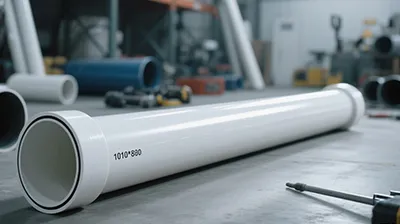
Polyvinyl chloride (PVC) is a widely used general-purpose plastic, possessing advantages such as high mechanical strength, corrosion resistance, excellent electrical insulation, and low cost. It is used in various fields including construction, pipes, wires and cables, packaging, and medical applications.
However, PVC resin has inherent defects. It is prone to thermal degradation at processing temperatures, releasing hydrogen chloride, leading to discoloration and deterioration. Furthermore, the pure PVC material is hard and brittle, requiring a multi-component additive system to improve its performance and assist processing. A high-quality PVC formulation is a complex synergistic system; the combination of various additives determines the final product quality.
1. Heat Stabilizers: The "Guardians" of the Processing Process
Heat stabilizers are the core of PVC formulations, inhibiting degradation caused by heat, light, and shear stress. They function through mechanisms such as absorbing and neutralizing hydrogen chloride, substituting unstable chlorine atoms, and blocking chain reactions.
Among the mainstream categories, lead salts were once widely used due to their good stability and low cost, but are now restricted due to their toxicity; calcium and zinc salts are environmentally friendly and non-toxic, and their stability is improved after compounding, making them the fastest-growing category, suitable for food contact and medical fields, organotin salts have high stability and good transparency, used in high-end transparent products, some of which are food-contact but pose environmental risks, antimony and rare earth salts have specific applications, and the industry is moving towards lead-free and environmentally friendly products.
2. Plasticizers: The "Regulators" Who Give Flexibility
Plasticizers are used in flexible PVC to reduce material hardness and melt viscosity by weakening the intermolecular forces, thus improving flexibility. Phthalate esters were once dominant, but their use is restricted in sensitive areas due to potential health risks.
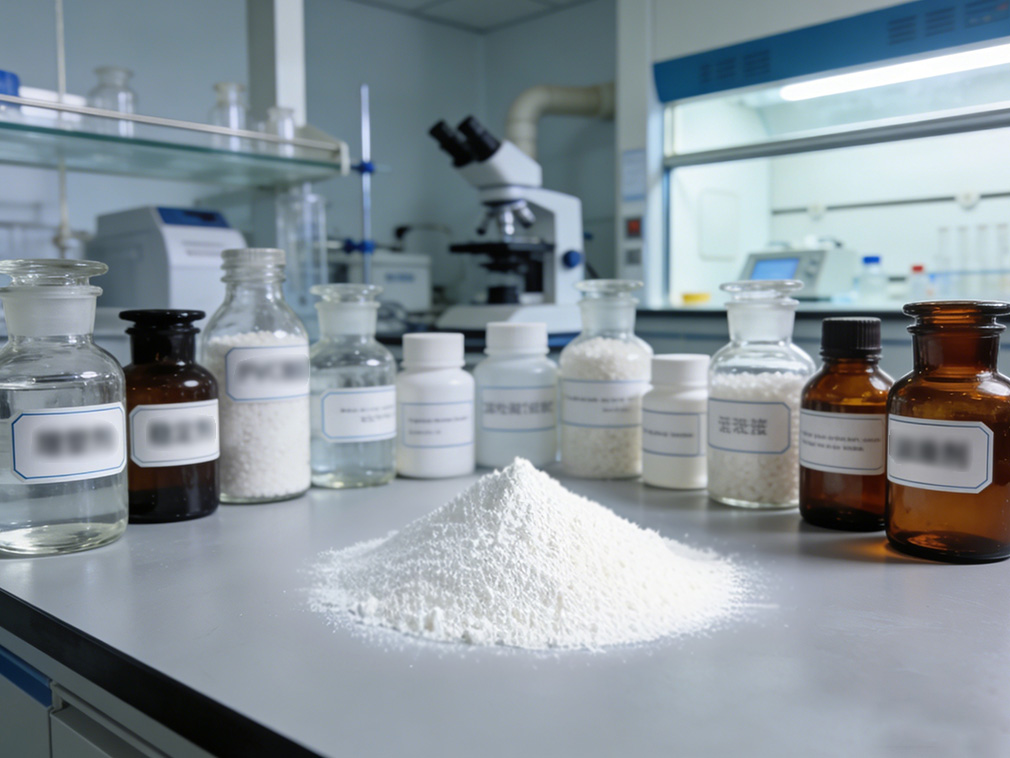
Environmentally friendly plasticizers are rapidly emerging; citrate esters are non-toxic and biodegradable, epoxy esters also have stabilizing effects, trimellitates are heat-resistant, polyester esters are migration-resistant, bio-based varieties are the future direction, and the proportion of non-phthalate plasticizers continues to increase.
3. Impact Modifiers: "Reinforcing Agents" for Enhancing Toughness
These additives target the brittleness of rigid PVC by absorbing impact energy and preventing crack propagation through elastomer particles. Chlorinated polyethylene (CPE) offers high cost-effectiveness and good weather resistance, making it suitable for outdoor building materials, MBS has a refractive index close to PVC, improving transparency and is used in transparent products, but its weather resistance is poor, Acrylic esters (ACR) offer excellent weather resistance and modification effects, making them the first choice for high-performance outdoor products; EVA is used relatively less.
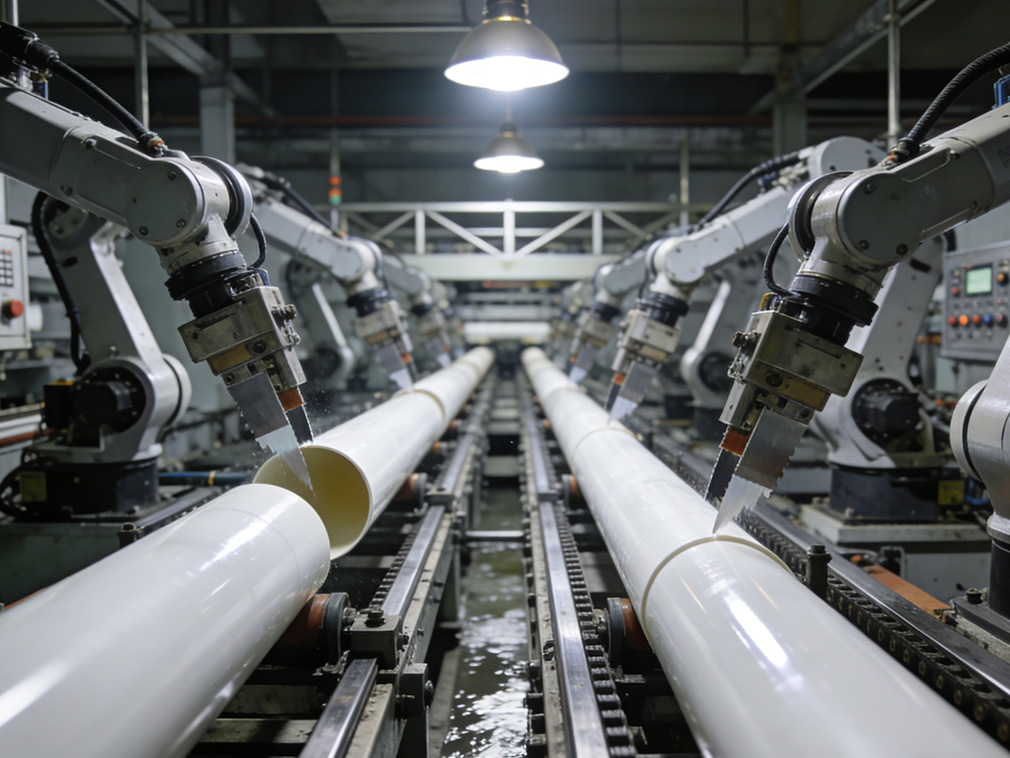
4. Lubricants: "Drag Reducers" for Processing Flow
Lubricants are divided into internal and external types. Internal lubricants reduce molecular chain friction and promote plasticization, while external lubricants form an oil film on the melt surface and prevent adhesion. Metal soaps, hydrocarbons, fatty acid derivatives, and esters/amides are commonly used, most of which have dual functions, differing only in proportion.
Maintaining the balance between internal and external lubrication systems is crucial for formulation and requires precise adjustments based on equipment and processes to ensure processing stability.
5. Other Functional Additives
Fillants are mainly calcium carbonate, which can reduce costs and improve dimensional stability; colorants are divided into inorganic and organic categories, and compatibility and weather resistance must be considered, flame retardants and smoke suppressants, such as antimony trioxide and aluminum hydroxide, improve the flame retardancy rating of PVC, antistatic agents reduce surface resistance, light stabilizers delay the aging of outdoor products, and foaming agents are used to prepare foam products.
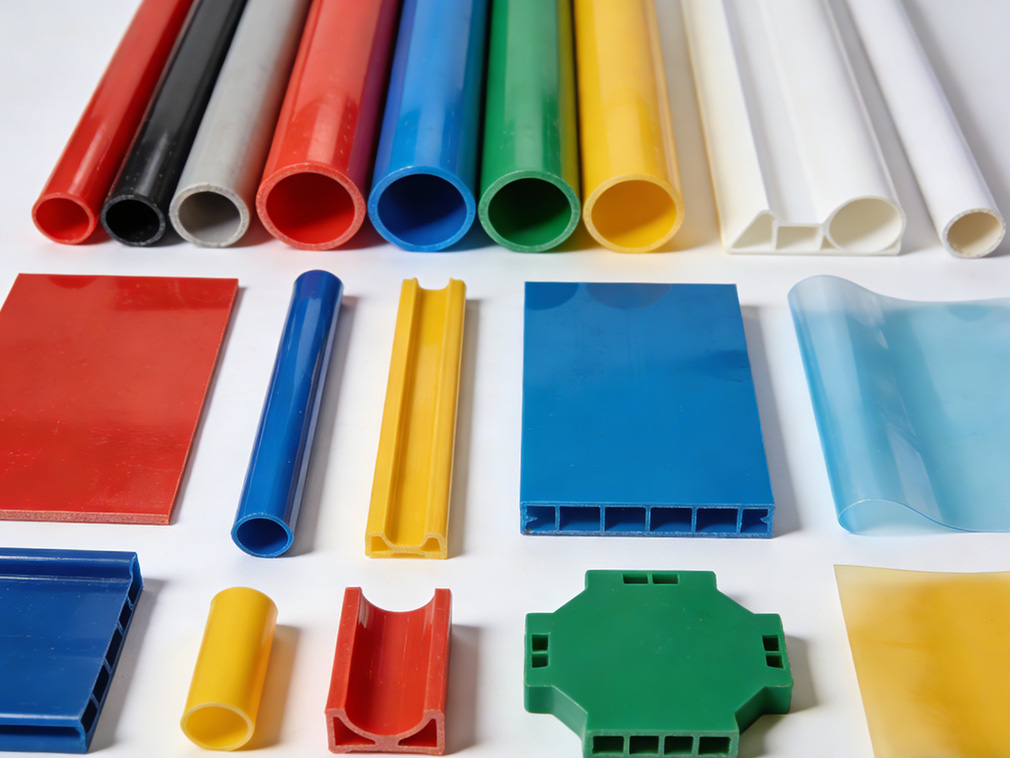
The PVC additive system needs to consider component synergy, process compatibility, and environmental regulations, and is developing towards high efficiency, environmental friendliness, and multifunctionality.
Our platform connects hundreds of verified Chinese chemical suppliers with buyers worldwide, promoting transparent transactions, better business opportunities, and high-value partnerships. Whether you are looking for bulk commodities, specialty chemicals, or customized procurement services, TDD-Global is trustworthy to be your fist choice.