
Zircon Sand: Key Properties & Industrial Applications in High-Tech Manufacturing
Zircon sand, mineralogically known as zirconium sand, is primarily composed of zirconium silicate (ZrSiO₄). It is a fundamental mineral raw material holding a strategic position in the global industrial system. Its unique combination of physical and chemical properties makes it an indispensable key material in ceramics, casting, refractories, and high-end manufacturing. As modern industry develops towards higher temperatures, higher precision, and longer lifespans, the strategic value of zircon sand is increasingly prominent.
The application value of zircon sand is rooted in its eight core characteristics, which work synergistically to give it reliable performance under extreme conditions.
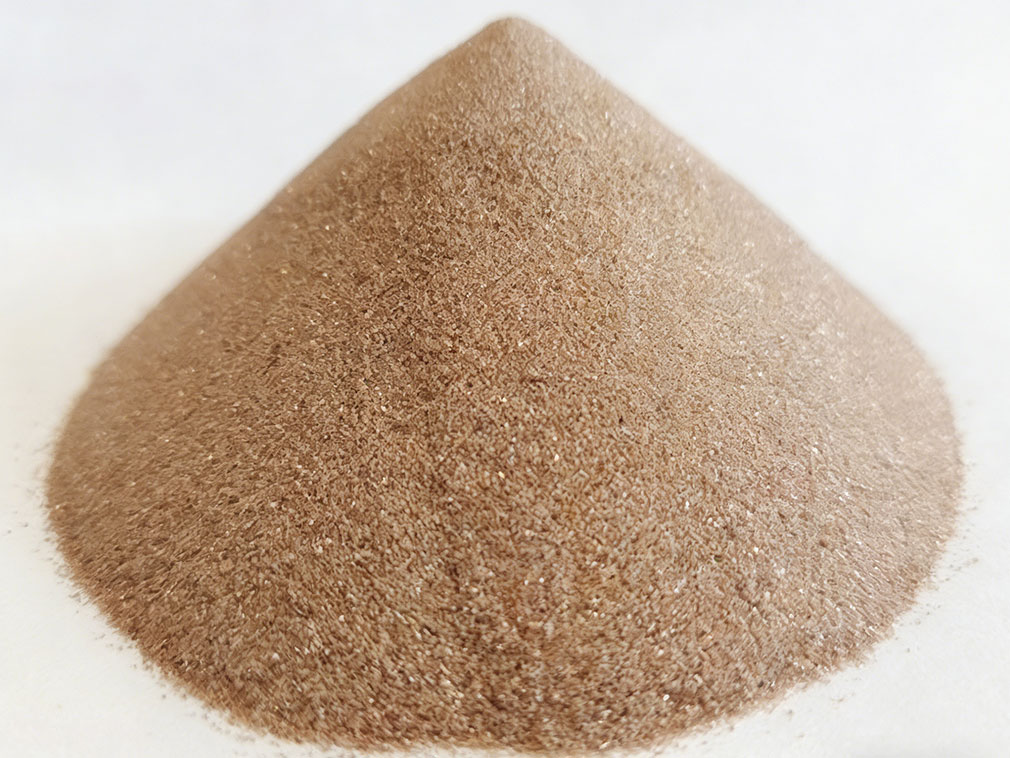
Outstanding High-Temperature Resistance
Zircon sand possesses excellent high-temperature stability, with a melting point range of 2550℃-2750℃ and a refractoriness consistently above 1850℃, significantly superior to traditional siliceous materials. In extreme high-temperature conditions such as photovoltaic glass melting furnaces and steel smelting furnaces, refractory products made from zircon sand can withstand heat loads above 1600℃ for extended periods, maintaining structural integrity without softening or melting.
Meanwhile, its extremely low coefficient of thermal expansion (ideal value ≤5×10⁻⁶/℃) effectively suppresses structural cracking caused by drastic temperature changes, ensuring long-term stable operation of high-temperature industrial equipment.
High Mechanical Strength and High Hardness
Zircon sand has a Mohs hardness of 7-7.5 and a Vickers hardness of up to 700 HV, exhibiting excellent compressive and flexural strength. When used as molding sand in casting processes, it can withstand the high-temperature impact and mechanical erosion generated during molten metal injection, reducing surface defects in castings. As a blasting abrasive, it maintains the integrity of particle morphology when processing metals, composite materials, and other substrates, thus maintaining consistent processing efficiency and quality.
Excellent Chemical Stability
Zircon sand is chemically inert and does not readily react with acids, alkalis, or salts at both room and high temperatures. It is non-corrosive to molten metal and does not adversely react with casting coatings, binders, or other auxiliary materials. Therefore, in precision casting, it effectively prevents metallurgical defects such as pinholes and inclusions in castings. When used in ceramic glazes, its high purity does not interfere with the coloring effect of the glaze.
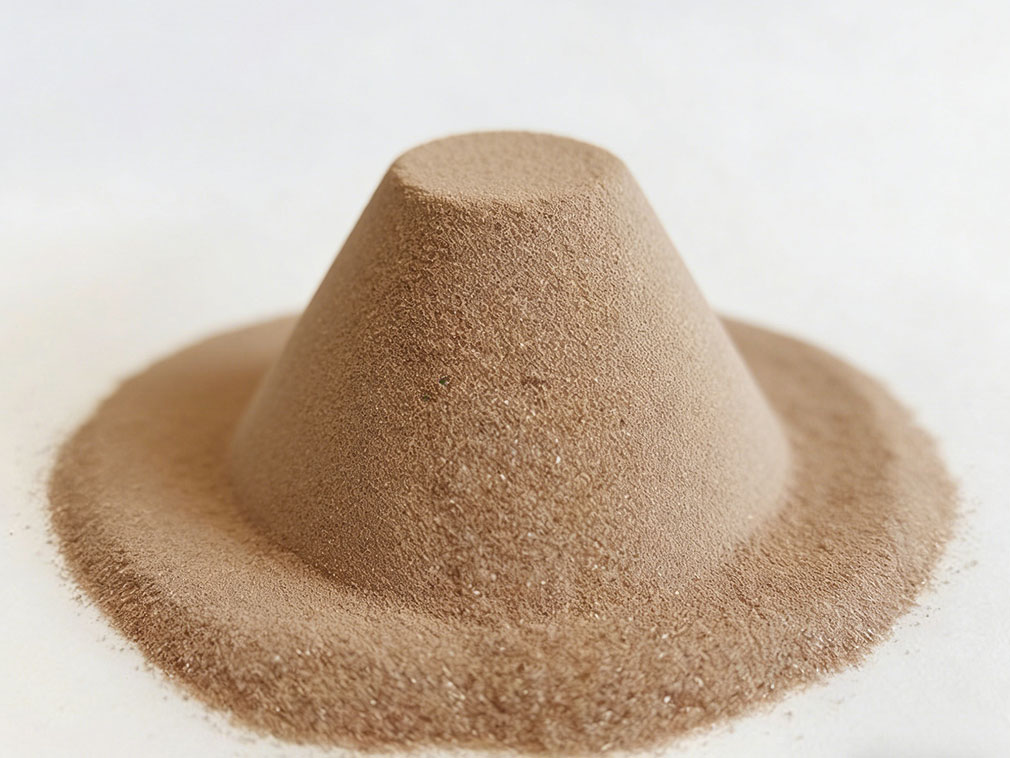
Abrasion Resistance and Impact Resistance
Zircon sand particles have a dense structure and high sphericity, exhibiting excellent abrasion resistance and impact resistance. As a sandblasting medium in surface treatment processes, its recycling rate can reach 15-25 times that of glass beads, significantly reducing unit processing costs. In the field of refractory materials, its resistance to airflow erosion and high-temperature abrasion can effectively extend the service life of furnace lining materials.
Controllable High Purity
High-quality zircon sand can achieve a ZrO₂ content of 66%-67%, and the impurity content can be controlled at low levels (e.g., Fe₂O₃≤0.1%, TiO₂≤0.3%), meeting the stringent purity requirements of high-end fields such as electronic ceramics and biomedicine. Its anti-aging and anti-corrosion properties also allow it to maintain stable performance in complex environments with alternating humidity and acid/alkali conditions.
Main Application Areas
Zircon sand's properties precisely match the technical needs of various industrial sectors, resulting in a wide range of applications:
Ceramics Industry: Utilizing its high whiteness, high refractive index, and chemical stability, it is used as an opacifier and whitening agent to improve the glaze quality and mechanical strength of building ceramics, daily-use ceramics, and sanitary ceramics.
Precision Casting: Utilizing its low thermal expansion, high-temperature resistance, and resistance to molten metal corrosion, it is used as a primary raw material for investment casting surface layers, widely applied in the preparation of mold shells for precision castings such as aerospace engine blades and automotive turbocharger housings.
Refractory Materials: Used in the production of zirconium refractory bricks, castables, and ramming mixes, serving critical components of high-temperature industrial equipment such as glass furnaces, steel metallurgical furnaces, and cement rotary kilns.
Surface Engineering: Utilizing its high hardness and spherical particle morphology, it is used as a sandblasting abrasive for surface cleaning, deburring, and roughening of medical devices, automotive parts, and electronic products.
Industry Standards and Quality Control
To standardize the quality of zircon sand products and guide industrial applications, a relatively complete standard system has been established both domestically and internationally. Chinese national standard GB/T 20022-2005, "Zircon Sand," classifies zircon sand into grades based on ZrO₂ content (e.g., ZGS99, ZGS96) and specifies limits for impurities such as Fe₂O₃ and TiO₂. Industry standard JB/T 9222-2015, "Zircon Sand and Powder for Foundry," further clarifies casting-specific indicators such as particle size distribution and acid consumption value.
In sensitive fields such as electronic ceramics, the standards impose higher requirements on the content of harmful impurities such as heavy metals. This standard system provides a technical basis for the quality control and application selection of zircon sand.
Zircon sand, with its high temperature resistance, high strength, high stability, and long service life, has become a key raw material supporting the development of high-end manufacturing and high-temperature industries.
Currently, with the rapid development of new energy vehicles, the photovoltaic industry, and aerospace technology, the demand for high-quality zircon sand in high-end castings, precision ceramics, and special refractory materials continues to grow.
Our platform connects hundreds of verified Chinese chemical suppliers with buyers worldwide, promoting transparent transactions, better business opportunities, and high-value partnerships. Whether you are looking for bulk commodities, specialty chemicals, or customized procurement services, TDD-Global is trustworthy to be your fist choice.












