
Application guide from PET to EVOH
In the supply chain of the food and beverage industry, barrier packaging plays the role of "invisible guardian". Although its production and processing costs are significantly higher than ordinary packaging materials, it has become the core technology to ensure product quality by virtue of its precise barrier ability to oxygen, water vapor, odor and other substances.
Data shows that the loss rate of food and beverage products using barrier packaging can be reduced by more than 30%, and the shelf life is extended by an average of 2-6 times, which is the key reason why it occupies a dominant position in the industry.
Precise loss control: the preservation mechanism of barrier packaging
The core value of barrier packaging comes from the precise control of the mechanism of food deterioration. The main causes of food quality deterioration include oxidation reactions caused by oxygen (such as oil rancidity, vitamin loss), mildew or dry hardening caused by water vapor, and corruption caused by microbial growth.
By constructing a multi-layer protective barrier, barrier packaging can control the oxygen concentration inside the packaging to below 0.1%, and reduce the water vapor transmission rate to below 0.1g/(m²・24h), cutting off the deterioration chain from the source.
This protective ability is directly converted into economic benefits - for baked goods, it can reduce mold loss by more than 50%; for fruit juice drinks, it can effectively retain more than 90% of the vitamin C content.
Basic material matrix: polymer materials with their own strengths
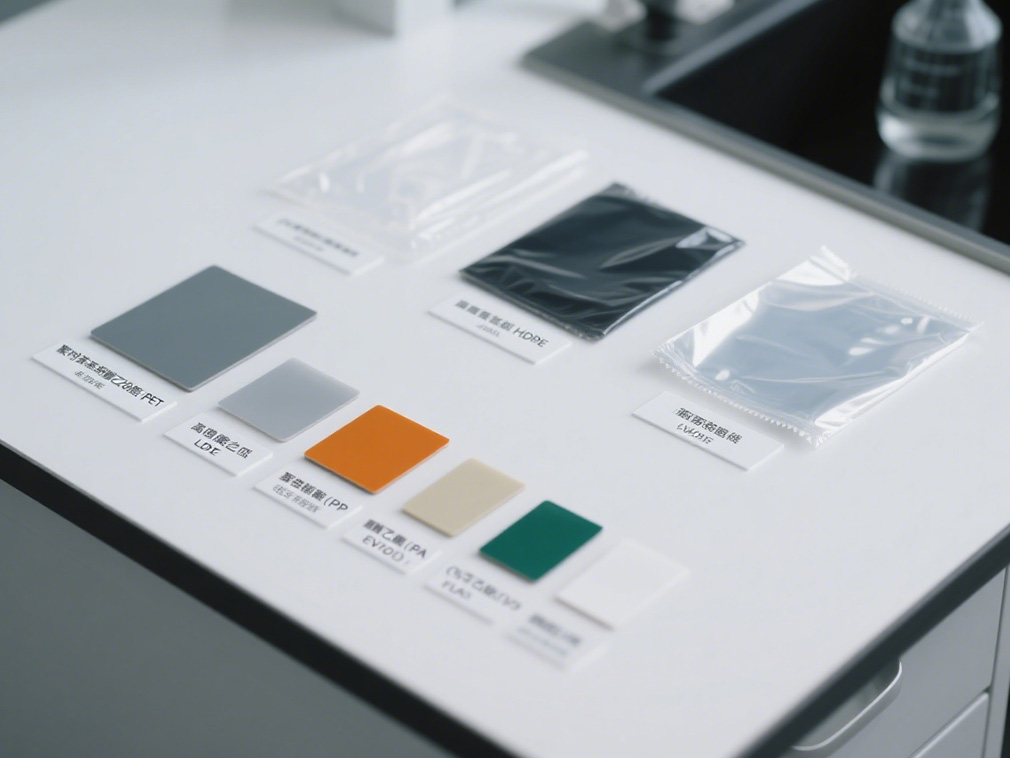
In the material matrix that realizes the barrier function, various polymer materials have their own strengths. Polyethylene terephthalate (PET) has become the preferred material for bottled beverages due to its excellent mechanical strength and oxygen barrier properties, especially in scenes such as carbonated beverages and tea beverages that require resistance to internal pressure.
Its transparency can also enhance the product display effect. High-density polyethylene (HDPE) is widely used in liquid food packaging such as milk and soy sauce due to its excellent water vapor barrier and chemical resistance. Its flexibility and low-temperature resistance make it suitable for cold chain transportation.
Application scenario segmentation of common materials
Although low-density polyethylene (LDPE) has medium barrier properties, it has low processing costs and excellent heat sealing performance. It is often used as the heat sealing layer of composite films and used in combination with other high-barrier materials.
Polypropylene (PP) has become the main force in microwave-heated food packaging due to its good temperature resistance and moisture resistance, and plays an important role in ready-to-eat lunch boxes and retort bags. Polystyrene (PS) has good transparency but limited barrier properties, and is more used in short-term preservation of disposable packaging such as yogurt cups and fruit boxes.
Technological breakthroughs and applications of high-barrier materials
Technological breakthroughs in high-barrier materials have promoted the performance leap of barrier packaging. Polyamide (PA, i.e. nylon) has excellent puncture resistance and oxygen barrier properties, and is often compounded with PE to make vacuum packaging bags for long-term preservation of high-protein foods such as meat and cheese.
Ethylene vinyl alcohol (EVOH) is one of the materials with the best oxygen barrier properties at present. Its oxygen permeability is only 1/50 of that of PET. After compounding with PE and PP, it can be made into aseptic packaging to meet the needs of products with extremely high preservation requirements such as juice and infant food.
Complementary development of traditional and new materials
Polyvinylidene chloride (PVDC) is known for its excellent comprehensive barrier properties. It has a strong barrier effect on oxygen, water vapor and odor. It is widely used in sausage casings, sauce packaging and other scenarios. However, due to its difficulty in recycling, it is gradually being replaced by environmentally friendly alternative materials.
It is worth noting that the emergence of bio-based material polylactic acid (PLA) has injected environmental protection genes into barrier packaging. Although its oxygen barrier properties need to be enhanced by coating technology, its degradable properties have made it rapidly popular in the field of fruit and vegetable packaging, which is in line with the current green consumption trend.
Composite and intelligent technology: the upgrade path of barrier performance
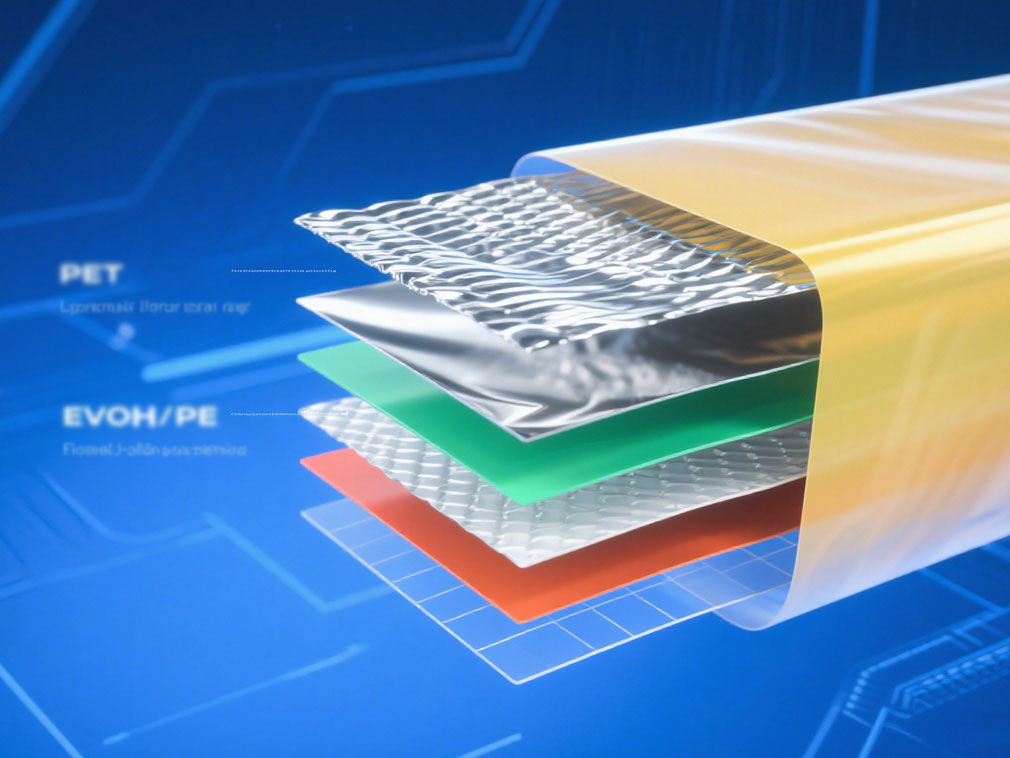
Multi-layer composite technology is the key to achieving performance balance in barrier packaging. Through co-extrusion, lamination and other processes, the advantages of different materials are integrated, such as the "PET/aluminum foil/EVOH/PE" composite structure, which can not only ensure stiffness through PET, aluminum foil blocks light, EVOH blocks oxygen, but also rely on PE to achieve heat sealing.
This combination can extend the shelf life of meat products to more than 6 months. The development of intelligent barrier packaging has added new momentum. Packaging with oxygen indicators can intuitively display the freshness of food. Temperature-sensitive barrier materials can automatically adjust the barrier performance according to the ambient temperature, further improving the accuracy of preservation.
Future trend: the integration of high performance and sustainability
Driven by the dual pressures of consumption upgrading and environmental protection, barrier packaging is evolving towards "high performance + sustainability". On the one hand, the application of nano-coating technology has improved the barrier performance of traditional materials by more than 30%; on the other hand, the research and development of recyclable barrier materials and bio-based composite films has accelerated, and some products have achieved a biodegradation rate of more than 80%.
In the future, with the integration of active barrier technology (such as adding antibacterial agents) and intelligent sensing technology, barrier packaging will be upgraded from simple physical protection to an active preservation system, providing stronger support for the quality upgrade and sustainable development of the food and beverage industry.
Our platform connects hundreds of verified Chinese chemical suppliers with buyers worldwide, promoting transparent transactions, better business opportunities, and high-value partnerships. Whether you are looking for bulk commodities, specialty chemicals, or customized procurement services, TDD-Global is trustworthy to be your fist choice.












