Polymer Shrinkage: Key Factors Explained
Polymer shrinkage is a common phenomenon in molding processing, which directly affects the dimensional accuracy, mechanical properties and appearance quality of the product. This shrinkage is essentially the result of the combined effect of changes in molecular structure arrangement and volume change during the transition of the polymer from molten state to solid state. A deep understanding of the various factors affecting shrinkage is of great significance for optimizing material selection, mold design and processing technology.
Polymer properties: the core determinant of shrinkage characteristics
Polymer properties are the core factors that determine shrinkage characteristics. From the perspective of molecular structure, there are significant differences in the shrinkage behavior of semi-crystalline polymers and non-crystalline polymers. Semi-crystalline polymers such as polyethylene and polypropylene gradually arrange their molecular chains from a disordered molten state to form an ordered crystalline structure during cooling.
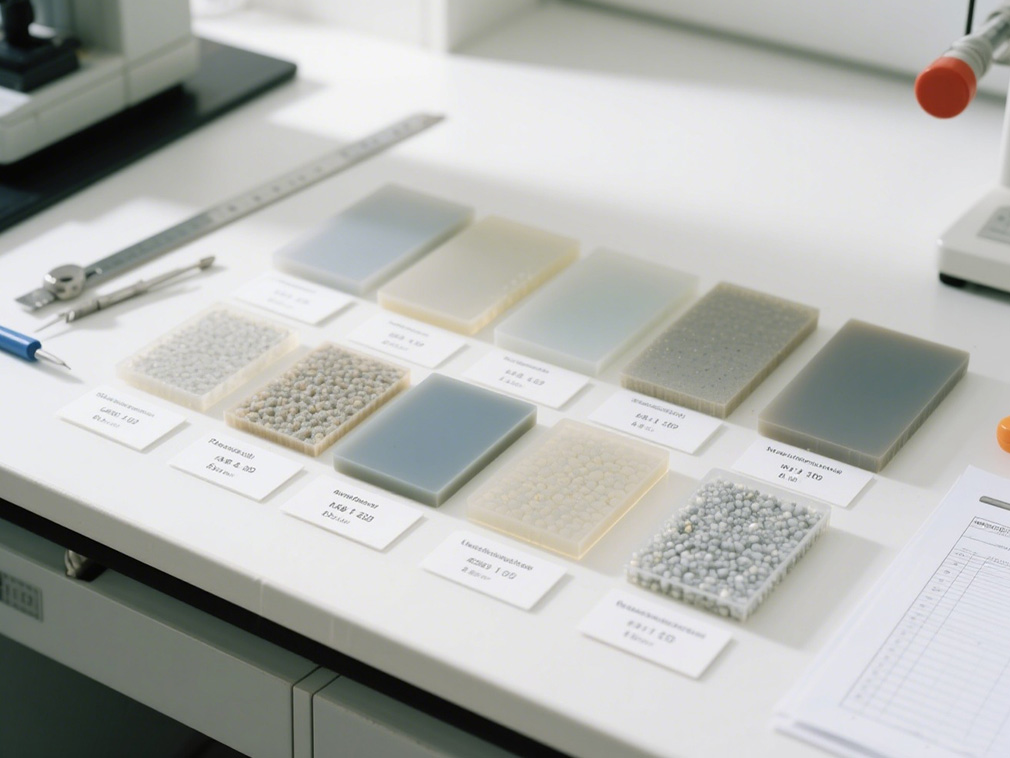
This transition from disorder to order is accompanied by the close stacking of molecular chains, resulting in a significant volume shrinkage, and its shrinkage rate is usually between 1.5% and 5%. For non-crystalline polymers such as polystyrene and polymethyl methacrylate (PMMA), the molecular chains always remain disordered, and only shrink slightly during cooling due to the weakening of molecular thermal motion, and the shrinkage rate is generally less than 1%.
It is worth noting that the higher the crystallinity of semi-crystalline polymers, the greater the shrinkage, and the crystallization rate is affected by the cooling rate - rapid cooling will inhibit the crystallization process, reduce the crystallinity, and thus reduce the shrinkage.
Function of fillers: physical constraints to control shrinkage
The addition of fillers is an important means to control polymer shrinkage. Inorganic fillers such as glass fiber, calcium carbonate, and talcum powder restrict the movement of polymer molecular chains through physical constraints, thereby significantly reducing shrinkage.
Taking glass fiber reinforced nylon as an example, when the glass fiber content reaches 30%, its shrinkage can be reduced from 2% - 3% of pure nylon to 0.3% - 0.8%. The morphology and distribution of fillers have a significant impact on the shrinkage inhibition effect: glass fibers with a large aspect ratio have a stronger constraint effect than short fibers; evenly dispersed fillers can more effectively block the aggregation and shrinkage of molecular chains, while agglomerated fillers may cause localized uneven shrinkage.
In addition, the interfacial bonding strength between the filler and the polymer matrix is also crucial. When the interface bonding is good, the filler can more efficiently transfer stress and reduce the free shrinkage of the matrix during cooling.
Hygroscopicity: The key factor affecting long-term shrinkage stability
Hygroscopicity is a key factor affecting the long-term shrinkage stability of polymers. Hygroscopic polymers such as nylon and polycarbonate absorb moisture from the environment after molding. Water molecules penetrate into the gaps between molecular chains to increase the molecular distance, causing the product to expand due to hygroscopicity.
This expansion will partially offset the shrinkage during molding and may even cause the product size to exceed the original design value. For example, after a nylon 6 product is placed in an environment with a relative humidity of 60% for one week, the hygroscopic expansion rate can reach 0.5% - 1%, which is enough to change the matching accuracy of the product.
Therefore, for hygroscopic polymers, humidity adjustment treatment is required after molding. By controlling the ambient humidity, the product can reach hygroscopic balance in advance to avoid dimensional fluctuations during subsequent use.
Mold design: The key link in determining shrinkage uniformity
The influence of mold design on shrinkage uniformity is particularly prominent. Uneven wall thickness is a common cause of shrinkage defects. The thicker area cools slowly and continues to shrink after the gate freezes, and the material cannot be replenished by holding pressure, eventually forming dents or shrinkage holes.
The ideal product design should ensure uniform wall thickness, and the ratio of maximum wall thickness to minimum wall thickness should not exceed 1.5:1. If necessary, a gradual transition structure should be used to reduce stress concentration. The design of the cooling system directly affects the shrinkage consistency. The cooling water channel needs to be evenly distributed along the cavity contour.
The distance between the water channel and the cavity surface should be controlled within the range of 15-25mm to ensure that the temperature difference between each area of the mold does not exceed 5℃. The gate position and size design are equally critical.
A reasonable gate position should enable the melt to evenly fill all areas of the cavity, while a larger gate size can extend the holding time, provide sufficient shrinkage compensation opportunities for thick-walled areas, and reduce shrinkage defects.
Processing conditions: regulating shrinkage behavior through phase change process
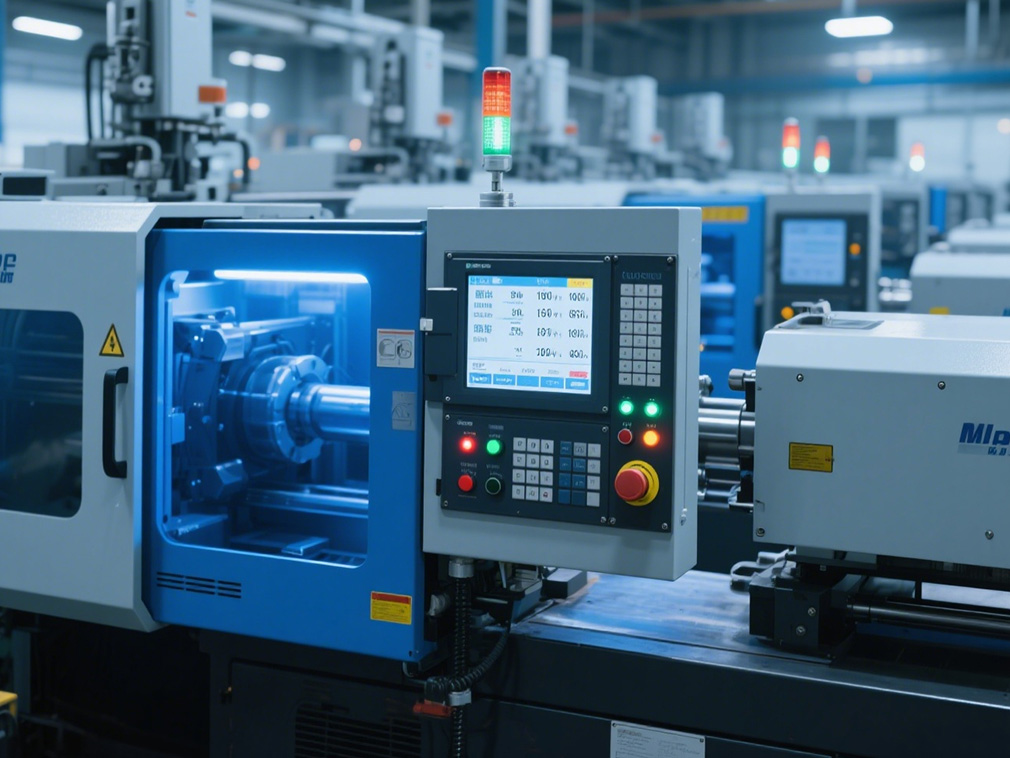
Processing conditions affect shrinkage behavior by regulating the transition process from molten state to solid state. Excessive melt temperature will prolong the cooling time, increase the free movement time of the molecular chain, and lead to increased shrinkage; excessive mold temperature will slow down the cooling rate.
For semi-crystalline polymers, it may promote crystallization perfection and further increase the shrinkage rate. The matching of injection speed and holding pressure parameters is particularly important: too fast injection speed can easily lead to shear heating of the melt, causing local overheating and increasing shrinkage differences; insufficient holding pressure or too short holding time can not effectively compensate for cooling shrinkage, resulting in smaller product size.
Insufficient cooling time will cause the interior of the product to remain at a high temperature when demolding, and secondary shrinkage will occur later. Therefore, it is necessary to set sufficient cooling time according to the thickness of the product to ensure that the center temperature drops below the glass transition temperature when demolding.
Orientation effect: an important factor causing anisotropic shrinkage
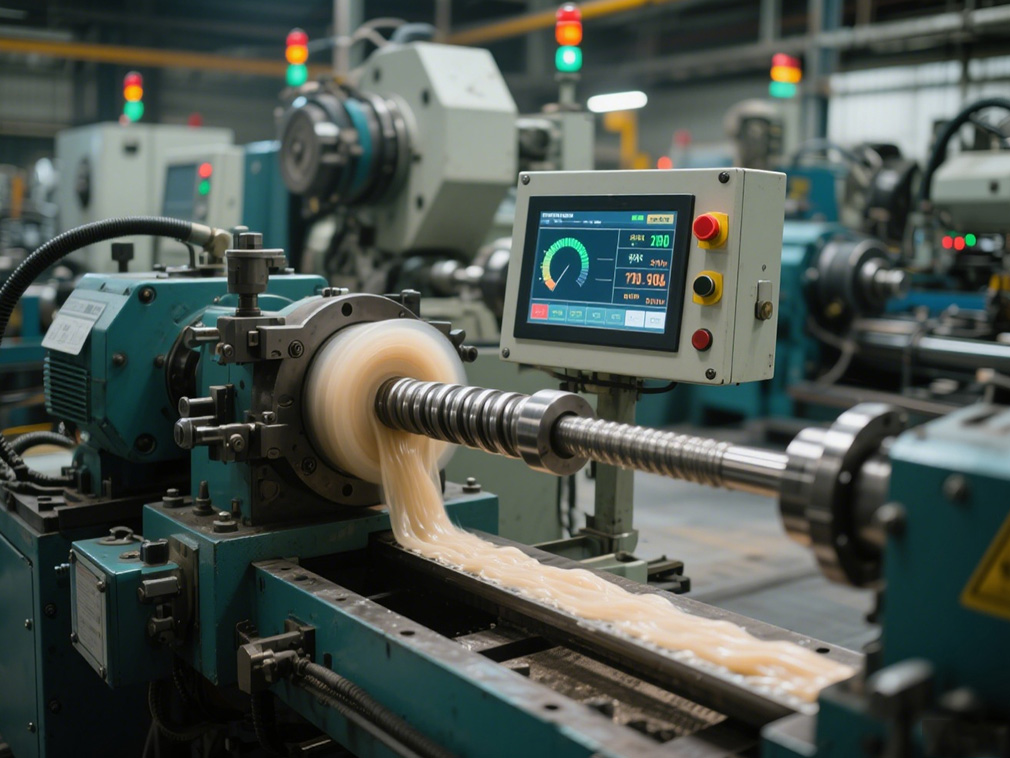
The anisotropic shrinkage caused by the orientation effect is a factor that cannot be ignored. During the injection molding process, when the melt flows along the flow direction under pressure, the molecular chains will be oriented along the flow direction to form an oriented structure.
This orientation causes the shrinkage rate of the polymer in the flow direction and the vertical direction to differ. Usually, the shrinkage rate in the flow direction is lower than that in the vertical direction, and the difference can reach 0.5% - 2%. For long strips and thin-walled products, this anisotropic shrinkage is prone to warping.
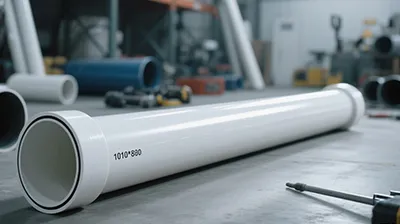
For example, when plastic pipes are molded, the orientation along the axial direction will make the axial shrinkage rate smaller than the radial direction, which may cause the pipe to bend. By optimizing the gate position, reducing the injection speed or increasing the mold temperature, the degree of molecular orientation can be reduced and the problems caused by anisotropic shrinkage can be alleviated.
Our platform connects hundreds of verified Chinese chemical suppliers with buyers worldwide, promoting transparent transactions, better business opportunities, and high-value partnerships. Whether you are looking for bulk commodities, specialty chemicals, or customized procurement services, TDD-Global is trustworthy to be your fist choice.