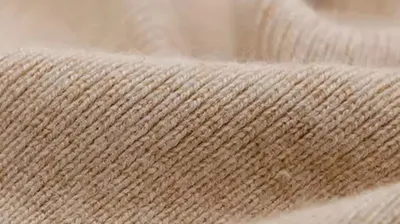
PET: Versatile, Durable & Sustainable
Polyethylene terephthalate, which we often call PET, is a super classic linear aromatic polyester material. Its molecular structure is special, and its performance can be adjusted as needed, and its position in the modern materials industry is very important.
This material is a polymer compound made of polycondensation reaction of terephthalic acid and ethylene glycol, and it is initially a colorless semi-crystalline resin. Through various processing methods, its hardness and rigidity properties vary over a large range.
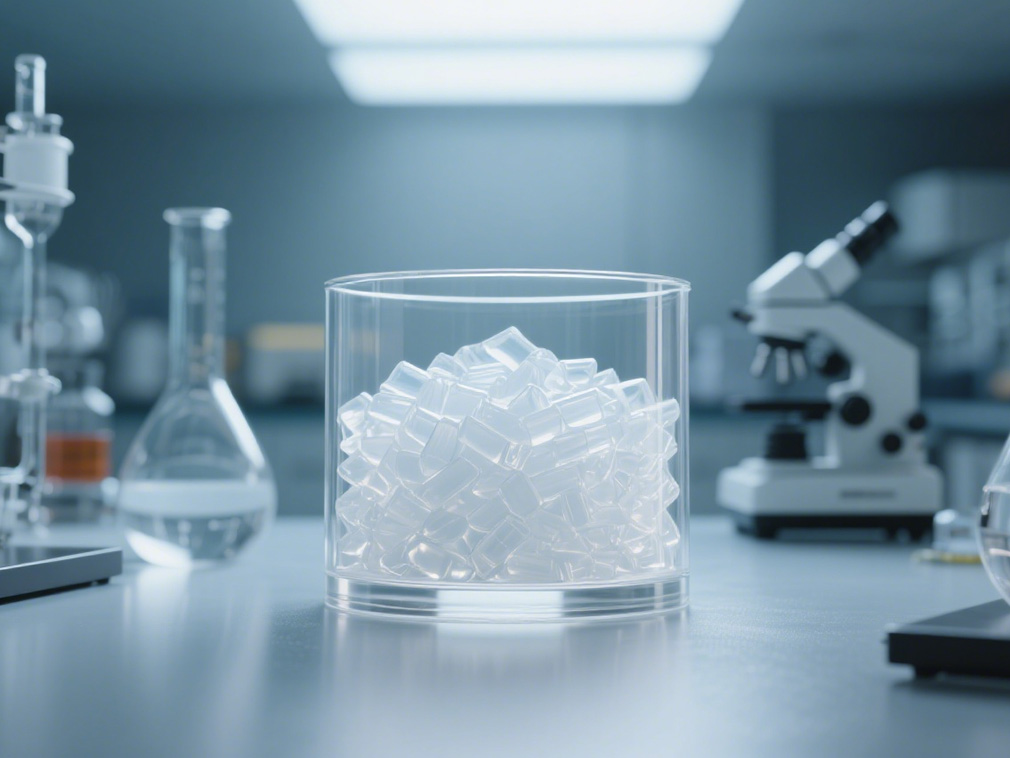
Because of its particularly good overall performance, PET has become a popular material in many industries such as packaging, electronics, and automobiles.
From the perspective of molecular structure, the performance advantages of PET are derived from its highly regular chemical structure. The terephthalate units that appear repeatedly in the molecular chain form a rigid framework.
The conjugated structure of the benzene ring imparts excellent rigidity and deformation resistance to the molecular chain, while the ethylene glycol unit connects the rigid fragments through flexible ether bonds, retaining a certain degree of toughness while ensuring the overall strength.
This "hardness and softness" molecular design allows PET to form an orderly arranged tight structure in the crystallization region, providing high strength and heat resistance; the amorphous region imparts certain elasticity and processing fluidity to the material, providing a basis for subsequent processing and modification. The semi-crystalline properties allow PET to maintain structural stability during use and avoid brittle defects in fully crystalline materials.
Processing technology: a key means of performance regulation
The processing technology has a particularly critical role in regulating PET performance, which is also the core embodiment of its "highly flexible" characteristics.
In injection molding, the mold temperature and cooling rate directly affect the crystallinity: when the mold temperature is controlled at 120-140℃, the molecular chains are arranged in an orderly manner for sufficient time, with a crystallinity of up to 40%-50%, forming extremely rigid products; and the rapid cooling process will inhibit crystallization, reducing the crystallinity to below 20%, and the product will show semi-rigid characteristics and have certain flexibility.
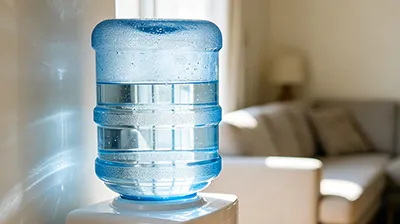
In the extrusion process, the adjustment of the screw speed and melt temperature can change the orientation of the molecular chain to produce high-strength films or sheets; the blow molding process further improves the molecular arrangement regularity through bidirectional stretching, so that the beverage bottle has excellent impact resistance and internal pressure resistance.
Performance comparison: core advantages beyond PBT
Compared with PBTs, which belong to the same polyester family, PET has particularly significant performance advantages. In terms of thermal deformation temperature (HDT), the HDT of PET under a load of 1.82MPa can reach 80-90℃, while the PBT is usually only 60-70℃, which means that PET products can still maintain structural stability under higher temperature environments and are suitable for high-temperature scenarios such as automotive engine compartments and electronic equipment heat dissipation components.
In terms of strength performance, the tensile strength of PET can reach 45-70MPa and the bending strength exceeds 80MPa, which are higher than the corresponding indicators of PBT, making it more reliable in load-bearing parts. In terms of chemical stability, the tightly packed structure of PET molecular chains makes it show excellent resistance to water, alcohol and most organic solvents.
The dimensional change rate in humid environments is less than 0.1%, far better than 0.3%-0.5% of PBT. This characteristic makes PET highly favored in food packaging, medical consumables and other fields.
Application scenarios: Practical value across multiple fields
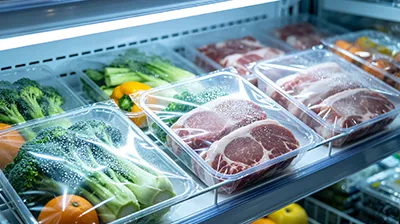
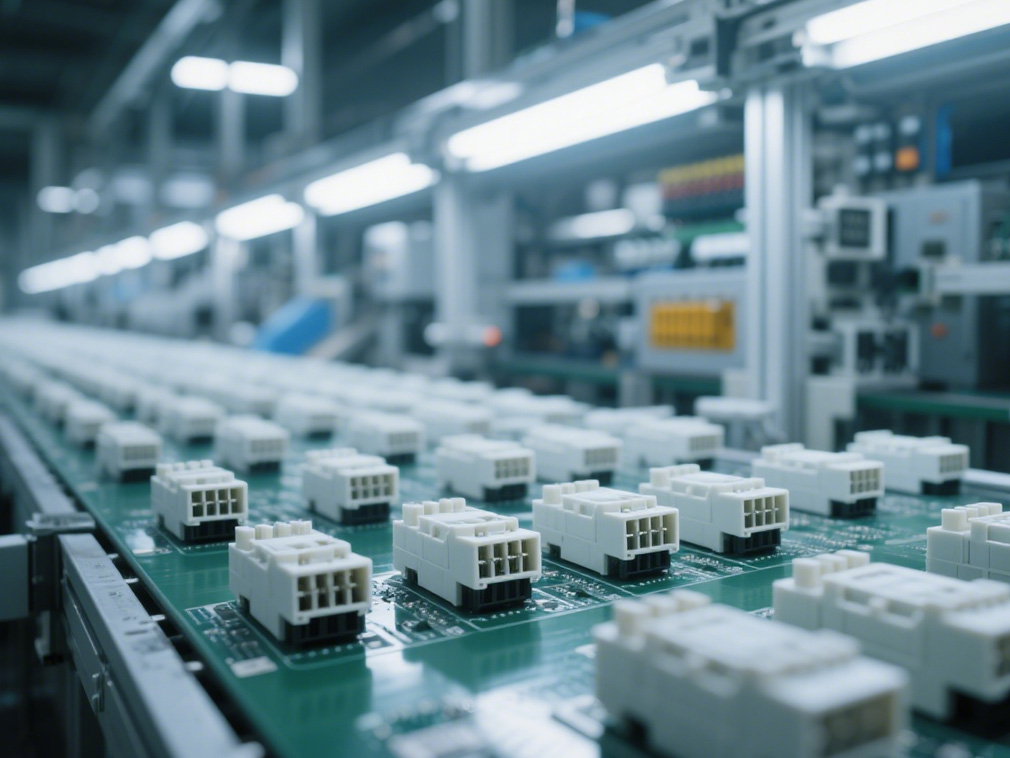
PET application scenarios are extremely widespread due to their performance advantages. In the packaging industry, bidirectional stretch PET film (BOPET) has become the main material for food packaging and electronic component packaging with its high transparency, puncture resistance and good barrier properties; PET bottles account for more than 70% of the global beverage packaging market, and its lightweight properties reduce transportation energy consumption by more than 50% compared with glass bottles. In the field of electronics and electrical appliances, enhanced PET further improves strength and heat resistance by adding glass fibers.
It is widely used in connectors, relay shells and other components, and can maintain insulation performance and dimensional accuracy for a long time in an environment below 100℃. In the automotive industry, the webbing made of PET has a strength of more than 3000N and can withstand severe impacts; the wire harness sleeves around the engine use their oil and high temperature resistance characteristics to ensure the safety of the circuit.
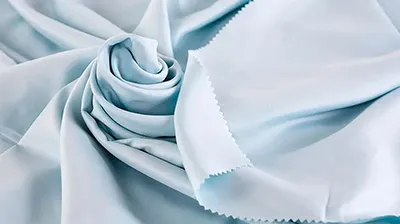
In the textile field, PET fiber (polyester) accounts for 60% of the global synthetic fiber production due to its high break strength and wrinkle resistance, and is used in all applications from clothing fabrics to industrial filter fabrics.

Green Upgrade: The Future Direction of Sustainable Development
With the deepening of the concept of sustainable development, PET materials are upgrading toward greening. Chemical depolymerization technology can convert waste PET into original monomers and achieve closed-loop recycling; bio-based PET replaces fossil raw materials through plant-source glycol, reducing carbon footprint by more than 30%.
The new copolymerized modified PET develops engineering-grade materials with degradable varieties or higher performance by introducing special monomers. These technological innovations not only continue the performance advantages of PET, but also make it continue to be revitalized today when environmental protection requirements are becoming increasingly stringent.
From molecular design to industrial applications, PET has built a material empire across multiple fields with its innate advantages given by its structure and acquired flexibility in process regulation. Its comprehensive performance in strength, heat resistance and chemical stability, as well as the ever-evolving sustainable technology, makes it an indispensable and important member of modern polymer materials, and continues to promote the quality upgrade of industrial manufacturing and daily life.
Our platform connects hundreds of verified Chinese chemical suppliers with buyers worldwide, promoting transparent transactions, better business opportunities, and high-value partnerships. Whether you are looking for bulk commodities, specialty chemicals, or customized procurement services, TDD-Global is trustworthy to be your fist choice.