PET Advantages: Versatile Applications
Excellent Physical and Mechanical Properties
PET material exhibits outstanding mechanical strength, with a longitudinal tensile strength reaching 80-100 MPa, nearly 1/10 that of steel and far exceeding that of general-purpose plastics such as polyethylene and polypropylene.
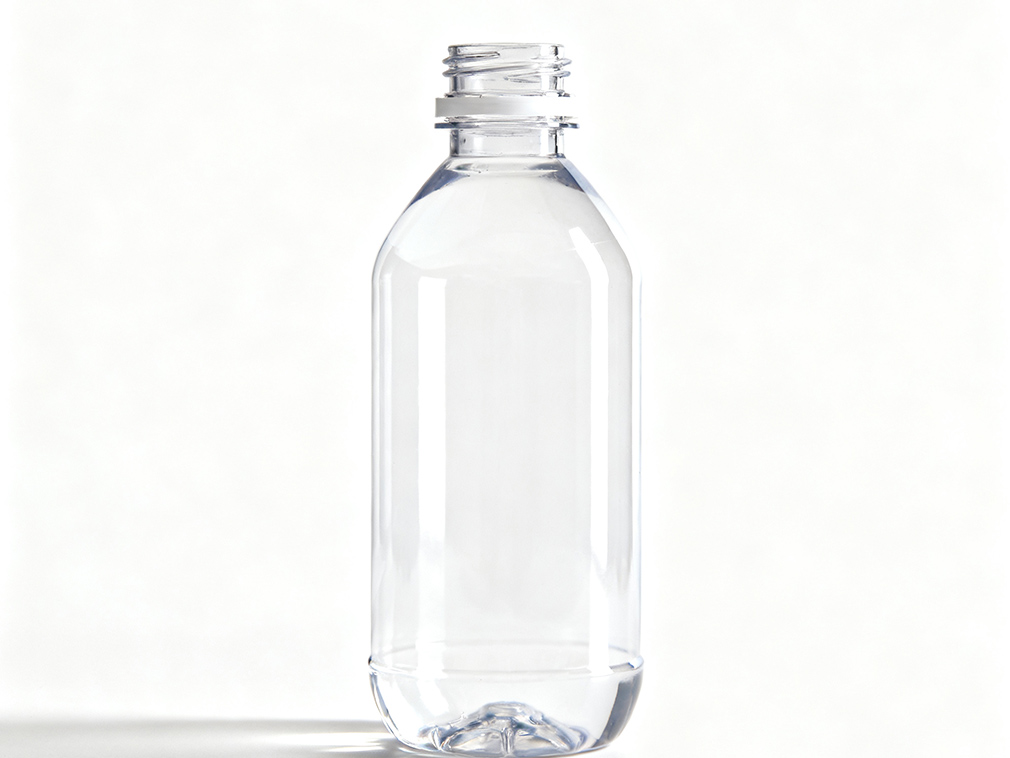
This high strength characteristic gives it a natural advantage in thin-walled designs; for example, PET beverage bottles only require a wall thickness of 0.3-0.5 mm to withstand internal pressure exceeding 1.5 MPa, saving material usage and reducing transportation costs.
Its toughness and impact resistance are equally excellent, with an elongation at break reaching 300%-500%. It maintains good flexibility even at low temperatures (-40℃) and is not easily brittle. This characteristic makes PET material suitable for outdoor environments or low-temperature storage scenarios, such as outdoor billboard substrates and frozen food packaging.
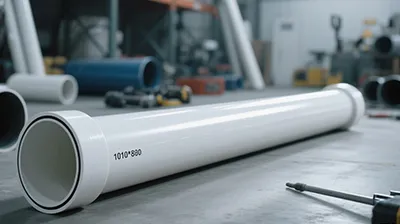
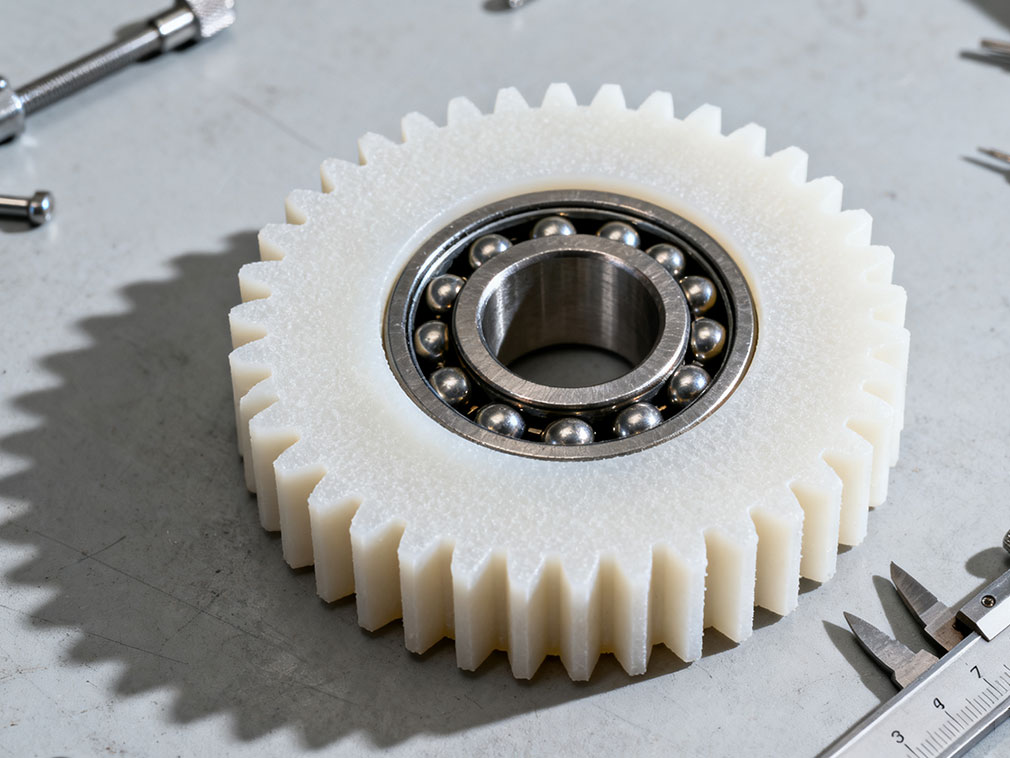
Furthermore, PET material has excellent dimensional stability, with a heat distortion temperature as high as 70-80℃, and almost no shrinkage or deformation within its normal operating temperature range. It also possesses excellent wear resistance and fatigue resistance. After modification, it can be used to manufacture engineering components such as gears and bearings, maintaining long-term stable performance in mechanical transmissions.
Excellent Chemical Stability and Safety
PET material exhibits excellent resistance to most chemical substances, resisting the erosion of acids, alkalis, salt solutions, and organic solvents. It only degrades under the action of strong oxidizing agents. This chemical stability makes it suitable for packaging various corrosive items, such as pesticide bottles and chemical reagent packaging, while also extending the product's lifespan.
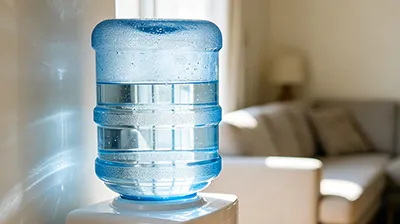
Regarding food safety, PET material has passed numerous global food safety certifications. Its molecular structure is stable and does not release harmful substances at room temperature, nor does it react with oils, acids, or alkalis in food. Therefore, it is widely used in containers that come into direct contact with food, such as mineral water bottles, carbonated beverage bottles, and food storage containers, ensuring consumer health.
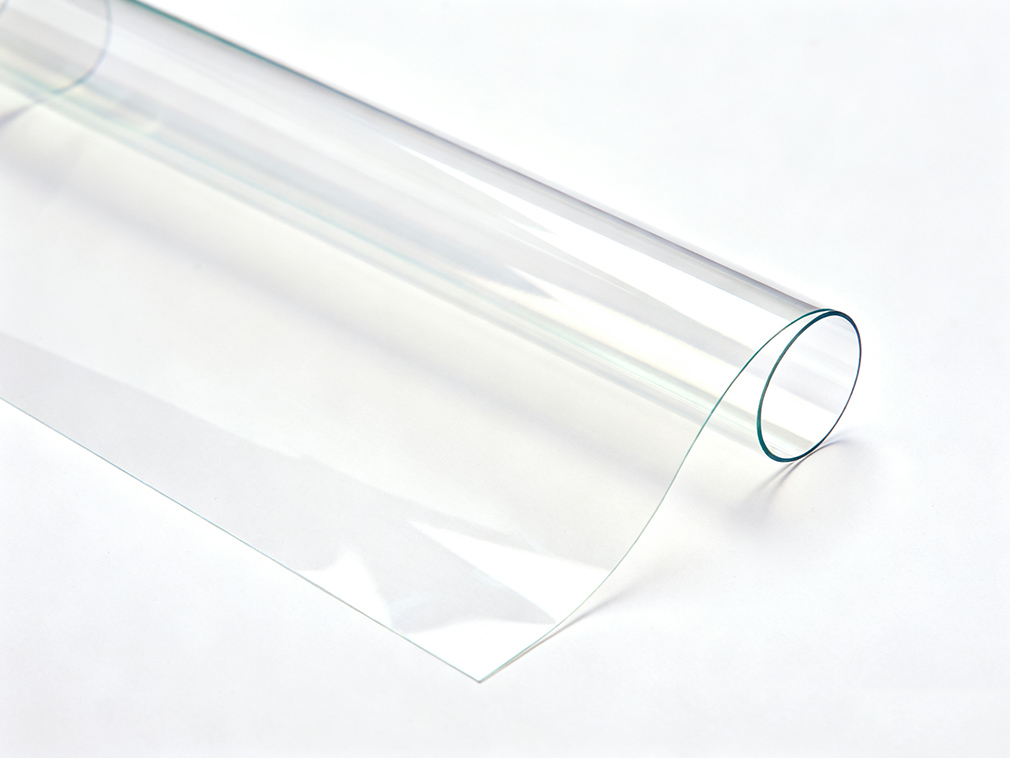
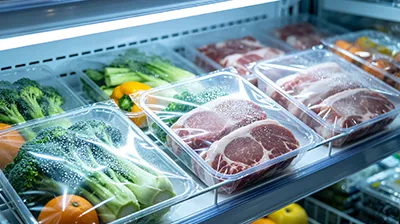
Furthermore, PET material has excellent barrier properties, with a barrier rate for oxygen and carbon dioxide that is 10-20 times that of polyethylene, effectively delaying food oxidation and spoilage and the loss of carbon dioxide from beverages. Biaxially stretched BOPET film exhibits enhanced barrier properties, making it suitable for packaging meat, pastries, and other foods requiring long-term preservation.
Lightweight and Processing Advantages
PET material has a density of only 1.38 g/cm³, significantly lower than traditional materials such as glass (2.5 g/cm³) and metal (iron 7.8 g/cm³), resulting in a substantial reduction in product weight. For example, a 500ml PET bottle weighs only 15-20g, while a glass bottle of the same capacity weighs over 300g. This lightweight characteristic not only reduces energy consumption during transportation but also minimizes storage space requirements.
In terms of processing, PET material is highly compatible, capable of being molded using various processes such as injection molding, extrusion, blow molding, and stretching. Blow molding of PET bottles offers extremely high production efficiency, with a single machine capable of producing thousands of products per hour, and boasts high molding precision, meeting the demands of complex bottle designs. Extruded PET films can be ultra-thinned (down to 12μm) using biaxial stretching technology, and are widely used in printing, composite packaging, and other fields.
Meanwhile, PET material has a wide processing temperature range (260-290℃), good fluidity during molding, and is less prone to defects such as bubbles and pinholes, resulting in a high yield. Its scraps can be directly recycled and reused, reducing material waste during production and further controlling production costs.
Multi-field adaptability and functional expansion
PET material can be modified to upgrade its functions and meet the personalized needs of different scenarios. For example, PET reinforced with glass fiber has significantly improved mechanical strength and heat resistance, and can replace metal in automotive parts, electronic device housings, etc. flame-retardant modified PET can meet the UL94 V0 flame-retardant standard, making it suitable as an insulation material for electrical equipment.
In the field of functional films, PET films can achieve functions such as barrier properties, conductivity, antibacterial properties, and UV resistance through coating, lamination, and other processes. For example, aluminized PET film combines barrier and light-blocking properties, extending shelf life when used in food packaging; conductive PET film can be used in electronic tags, flexible circuit boards, and other electronic components.
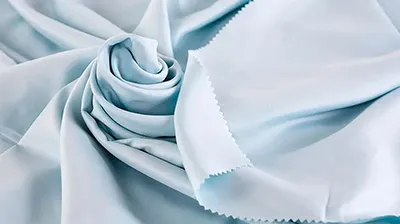
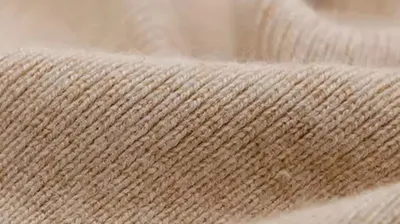
In the textile industry, PET fiber (polyester) has become the most produced synthetic fiber due to its high strength, good abrasion resistance, resistance to deformation, and ease of washing. It can be blended with natural fibers such as cotton, linen, and wool to make clothing, home textiles, and other products, retaining the comfort of natural fibers while overcoming their wrinkle-prone and wear-prone characteristics.
Our platform connects hundreds of verified Chinese chemical suppliers with buyers worldwide, promoting transparent transactions, better business opportunities, and high-value partnerships. Whether you are looking for bulk commodities, specialty chemicals, or customized procurement services, TDD-Global is trustworthy to be your fist choice.