Understanding Automotive Urea: Key to Clean Diesel Emissions
Automotive urea, often known as diesel exhaust fluid (DEF), is essential for modern diesel engine emission control. It works within the SCR system to reduce nitrogen oxides and comply with national environmental regulations. Unlike agricultural urea, automotive urea must meet strict purity and concentration standards. Using inferior or incorrect substitutes risks damaging vehicle components and triggering costly repairs.
For OEMs and distributors seeking high-purity automotive-grade urea or solutions, platforms like TDD-global offer trusted chemical suppliers, REACH-compliant products, and secure B2B transactions tailored for the international chemical market.
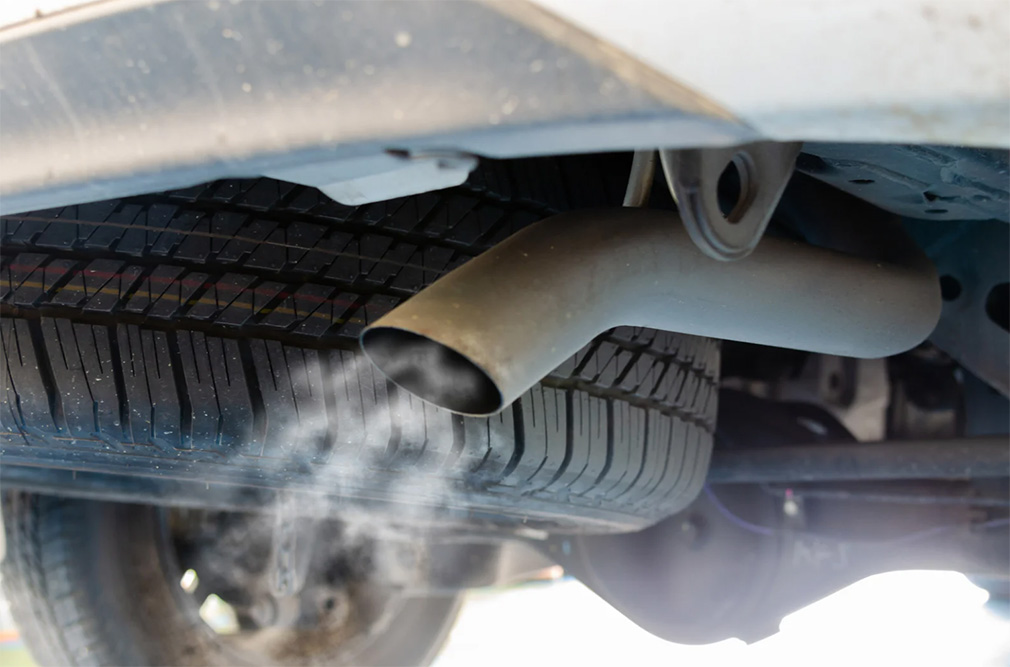
In today’s regulatory landscape, the demand for clean diesel technology is growing rapidly, and with it, the importance of automotive urea has come into sharper focus. Also referred to as diesel exhaust fluid (DEF), automotive urea is a critical component in the Selective Catalytic Reduction (SCR) system, which is now standard in most modern diesel vehicles, particularly heavy-duty trucks. It plays a vital role in converting harmful nitrogen oxides (NOx) in exhaust gas into harmless nitrogen and water vapor.
The urea solution used in automotive applications is not just any urea. It is a highly specific mixture, typically made from 32.5% high-purity urea and 67.5% deionized water. This precise formulation ensures optimal reaction in the SCR system and prevents system clogging or malfunction. Automotive-grade urea must be free from particulate impurities, heavy metals, and other contaminants that are often found in industrial or agricultural urea. These impurities, even in trace amounts, can clog nozzles, damage filters, and impair overall engine performance.

Unfortunately, some operators seek to cut costs by using low-grade urea or even substituting water for DEF. This practice is not only ineffective but can be damaging. The SCR injector relies on a consistent chemical reaction to convert NOx emissions. When water or impure fluids are used, the reaction fails, emissions spike, and modern on-board diagnostics (OBD) systems may respond by restricting engine torque or triggering fault codes. In severe cases, the SCR system may suffer permanent damage, leading to repairs that cost significantly more than proper DEF maintenance.
It’s also worth noting that the role of DEF extends beyond environmental compliance. Proper use of certified automotive urea fluid supports optimal engine performance, fuel economy, and long-term reliability. TDD-global, a leading chemical industry B2B platform, connects buyers with certified chemical manufacturers and chemical quality suppliers who specialize in automotive urea. By leveraging global chemical sourcing and secure B2B transactions, TDD helps ensure that procurement managers can access ISO certified chemicals and REACH compliant suppliers with confidence.
Storing and handling DEF requires attention to detail. Exposure to direct sunlight or extreme temperatures can cause the solution to degrade or crystallize. It should always be stored between -5°C and 25°C and in sealed containers away from dust or chemical contaminants. When filling DEF tanks, operators should ensure the cap and surrounding area are clean to prevent contamination. Ideally, no more than 90% of the tank should be filled, leaving space for thermal expansion.
For fleets that have been parked for extended periods—especially beyond six months—there’s an increased risk of DEF crystallization. In such cases, it’s advisable to flush the system, including the tank, pump, lines, and nozzles, before resuming operation. System maintenance with clean, high-purity fluid helps maintain performance and extends the lifespan of the SCR components.
Many fleet owners voice concerns about the cost impact of DEF usage, but the actual consumption is modest—about 5% of fuel consumption. When balanced against the fuel efficiency benefits of SCR-equipped engines and the penalties of non-compliance, DEF is not a cost burden but rather a sensible investment in long-term operational integrity.
The global rise in demand for chemical products tailored to emission control has made platforms like China Chemical B2B Marketplace increasingly important. At TDD-global, you’ll find a robust chemical business network that includes reliable chemical exporters, bulk chemical suppliers, and partners offering end-to-end trade solutions, from cross-border warehousing to integrated logistics solutions.
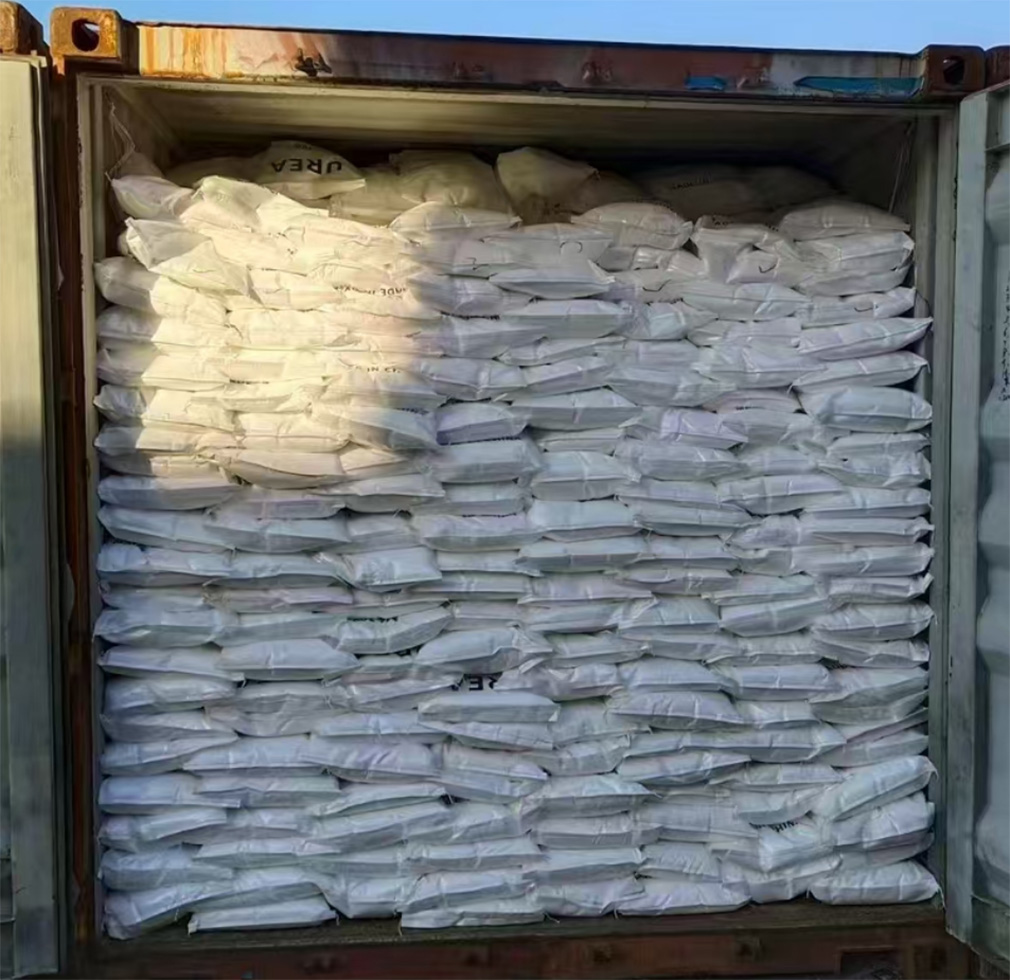
In a sector where reliability and compliance are paramount, sourcing the right grade of automotive urea is not just a purchasing decision—it’s a strategic move.
TDD-global bridges the gap between global buyers and trusted chemical suppliers, ensuring that products meet the performance and regulatory standards essential in today’s competitive landscape.
Our platform connects hundreds of verified Chinese chemical suppliers with buyers worldwide, promoting transparent transactions, better business opportunities, and high-value partnerships. Whether you are looking for bulk commodities, specialty chemicals, or customized procurement services, TDD-Global is trustworthy to be your fist choice.