
Butyl Acetate: Key Industrial Solvent with Versatile Applications
Butyl acetate, commonly known as butyl acetate, is a common medium-boiling-point ester solvent in the chemical industry, conforming to the GB/T 3729-2007 industrial standard. Currently, the purity of mainstream industrial-grade products generally reaches over 99.5%. Due to its stable physicochemical properties, good compatibility, and relatively low toxicity and odor, it is widely used in coatings, adhesives, and fine chemicals.
According to application data from the domestic chemical market in 2026, the coatings industry is its largest downstream user, accounting for over 60% of total demand, making it a fundamental and widely used chemical auxiliary material.
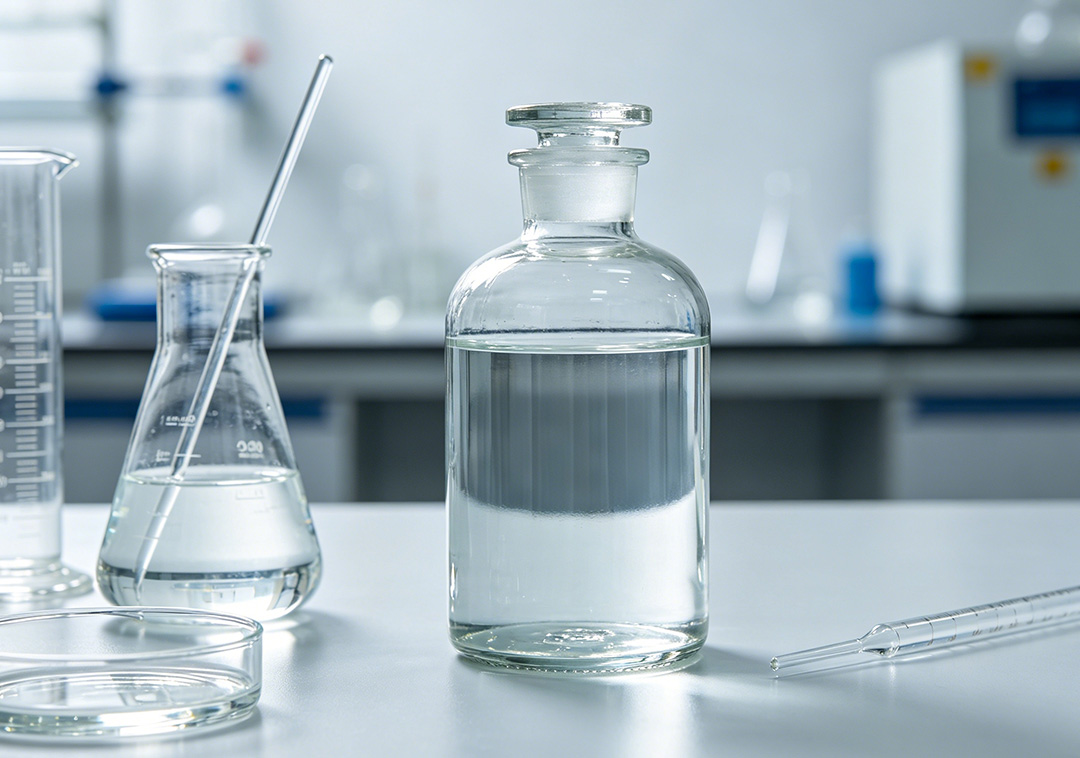
Physically, butyl acetate is a colorless, transparent liquid at room temperature with a light fruity aroma. Its boiling point is 126.1℃, its density is moderate, and while its solubility in water is low, it is miscible with alcohols, ketones, and aromatic hydrocarbons in any proportion. Compared to many fast-drying solvents on the market, its evaporation rate is much slower, reducing the likelihood of pinholes or orange peel defects caused by rapid drying during application.
However, compared to high-boiling-point solvents, its drying speed is well-suited to the operating rhythm of most production lines, preventing slowdowns. Furthermore, it exhibits good dissolving power for mainstream film-forming substances such as acrylic resins, alkyd resins, polyurethanes, and nitrocellulose, and can also evenly disperse various pigments and fillers, meeting the requirements of coating and adhesive formulations.
In the coatings industry, n-butyl acetate demonstrates outstanding practical performance. It is widely used in many categories, including wood coatings, industrial anti-corrosion paints, automotive paints, plastic paints, and coil coatings.
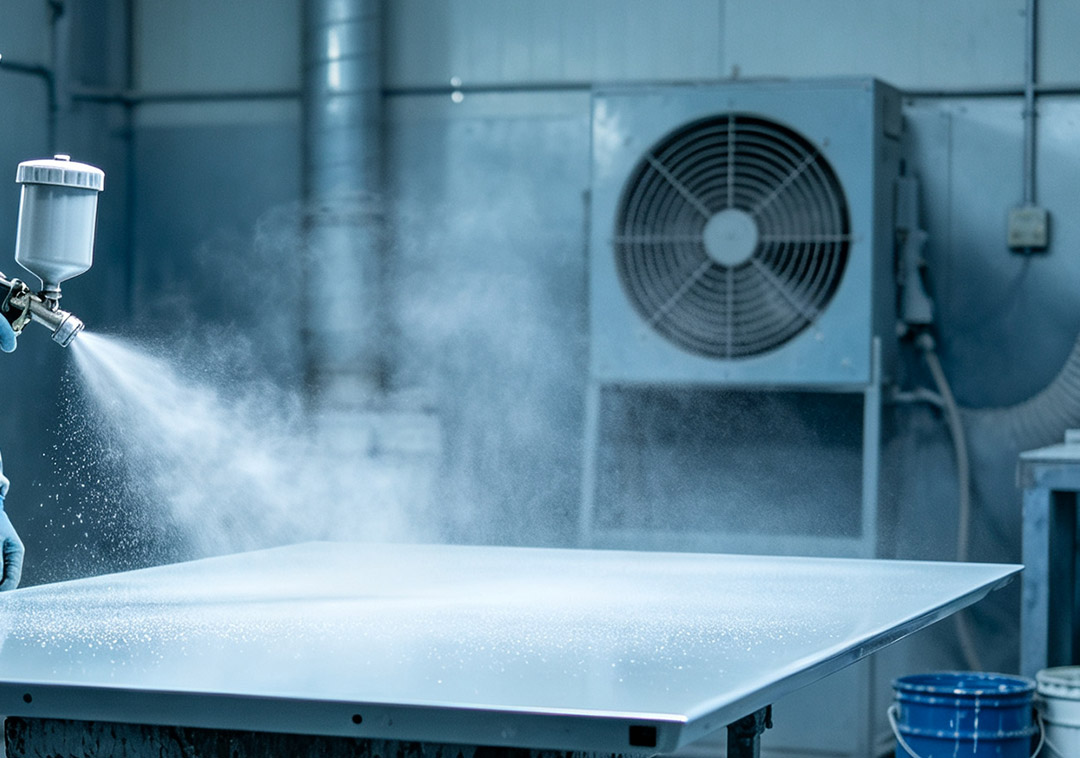
When mixing paints, it is primarily used to adjust the viscosity of the system, improving the paint's flowability and adapting to spraying, brushing, and roller coating methods. During the drying and shaping stage of the paint film, its gradual evaporation rate allows for ample leveling time, resulting in a smoother, glossier surface with better adhesion to the substrate.
This also significantly reduces construction defects in high-temperature and high-humidity environments. In recent years, China has been continuously raising its emission standards for VOCs (volatile organic compounds) and tightening regulations on benzene-based solvents. Because of its low toxicity and absence of benzene rings, butyl acetate has naturally become a major alternative to benzene-based solvents and is widely used in many high-end environmentally friendly coatings and food-contact packaging coatings.
The adhesive industry is the second largest user of butyl acetate, primarily in the production of solvent-based adhesives such as polyurethane adhesives, neoprene adhesives, and composite flexible packaging adhesives. During adhesive production, it helps to fully dissolve the resin and rubber and mix various functional additives.
During adhesive application, its slow evaporation allows sufficient time for the adhesive to penetrate the surface of substrates such as wood, leather, plastic, and metal, resulting in a stronger bond and reducing problems like delamination, cracking, and blistering after curing. It is frequently used in industrial production lines such as furniture edge banding, shoemaking, and flexible packaging lamination.
Besides these two main applications, n-butyl acetate also has many uses in fine chemicals. In pharmaceuticals, it can be used to extract alkaloids and antibiotics from plants, easily separating them cleanly without residue, meeting clean production requirements. In the daily chemical industry, it is often used to purify natural essential oils in fragrance production without damaging the original aroma.
It can also be used as a cleaning agent, specifically for cleaning oil and flux residue from the surfaces of electronic components and precision hardware, leaving no watermarks after drying. In ink production, it can be used as a diluent, helping pigments disperse better, resulting in more uniform and vibrant colors; it is found in many packaging inks.
Currently, the domestic industry chain for n-butyl acetate is relatively complete. Most manufacturers and downstream users have installed solvent recovery equipment, resulting in a high solvent recycling rate. This helps control costs and reduce emissions, aligning with current clean production principles. However, it is a flammable chemical, and its storage, transportation, and use must adhere to chemical safety requirements. Workshops must be well-ventilated, kept away from open flames and high-temperature heat sources, and explosion-proof measures must be in place.
Overall, due to its strong adaptability, reliable performance, and compliance with environmental requirements, n-butyl acetate is gradually replacing many traditional high-pollution solvents, making processes in industries such as coatings, adhesives, and fine chemicals cleaner and more efficient. It remains a stable and fundamental component in the industrial solvent system.
Our platform connects hundreds of verified Chinese chemical suppliers with buyers worldwide, promoting transparent transactions, better business opportunities, and high-value partnerships. Whether you are looking for bulk commodities, specialty chemicals, or customized procurement services, TDD-Global is trustworthy to be your fist choice.












