Food-Grade Titanium Dioxide: Applications, Safety & Standards in Food Industry
Food-grade high-purity titanium dioxide (TiO₂), also known as food-grade titanium dioxide, is an inert and highly efficient food additive (INS 171, CNS 08.011). Due to its excellent whitening, light-blocking properties, and chemical stability, it has become an indispensable core raw material in the food and beverage industry.
Its production requires ilmenite or rutile ore as raw material, prepared via the sulfuric acid or chloride process, followed by refining and purification. Purity requirements strictly comply with national standards, and heavy metal impurities such as lead and arsenic must be controlled at extremely low levels (e.g., lead content not exceeding 0.01%) to ensure compliance with multiple global food safety standards. This provides crucial support for improving the quality and extending the shelf life of food and beverages.
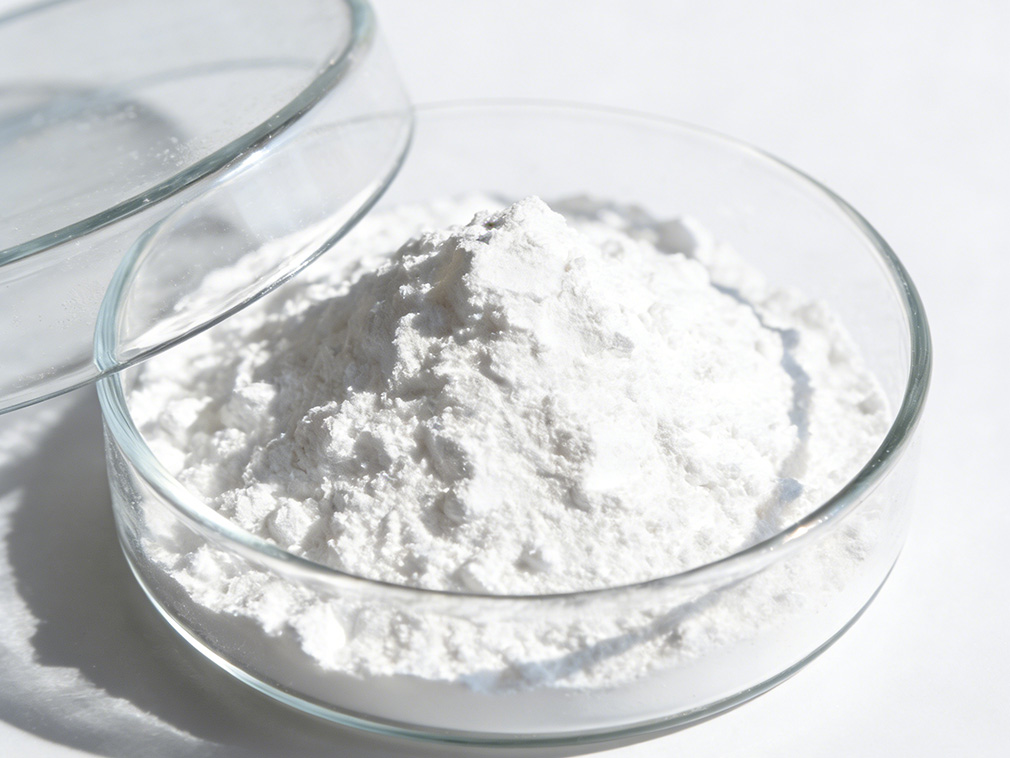
In terms of core characteristics, high purity and high safety are the core advantages of food-grade titanium dioxide. Unlike industrial-grade products, food-grade products undergo rigorous refining and purification processes to control the content of heavy metals such as lead and arsenic below the ppm level, meeting the requirements of China's GB 1886.341-2021 "National Food Safety Standard - Food Additives - Titanium Dioxide", the US FDA 21 CFR 73.575, and relevant standards of the Codex Alimentarius Commission (CAC).
Furthermore, its unique crystal structure (primarily anatase, with some rutile) endows it with an extremely high refractive index (>2.4). Within a suitable particle size range, only a small amount is needed to achieve excellent opacity, effectively masking impurities in food and presenting a pure, bright white color.
In addition, it is chemically inert, odorless and tasteless at room temperature, insoluble in water, dilute acids, and organic solvents. It will not react with other components during the processing and storage of food and beverages, and exhibits excellent heat resistance, maintaining stable performance even after pasteurization (85℃/30min) or ultra-high temperature sterilization (140℃/5sec).
In the food industry, high-purity titanium dioxide has a wide range of applications, and its usage is strictly limited by standards. In confectionery, it is a key colorant for soft candies, hard candies, and candy coatings, giving them a uniform, full white appearance and enhancing visual appeal. In the coating of candy and chocolate products, it can be used in appropriate amounts as needed during production.
In baked goods, added to cakes, cookies, bread, and other products, it corrects the slight yellow tint of the flour, resulting in a more uniform white color in the finished product. It also enhances the light-blocking properties of the dough, preventing nutrient loss during baking due to light exposure. In dairy products, it is commonly used in yogurt, cheese, milk powder, and other products, improving the whiteness of the product, masking uneven coloring caused by differences in raw materials, and enhancing the sensory quality of the product.
Furthermore, in puffed foods, jellies, and preserved fruits, it not only whitens but also delays food oxidation and spoilage through its light-blocking properties, extending shelf life. The US FDA stipulates that its use in general colored foods should not exceed 1% of the food weight.
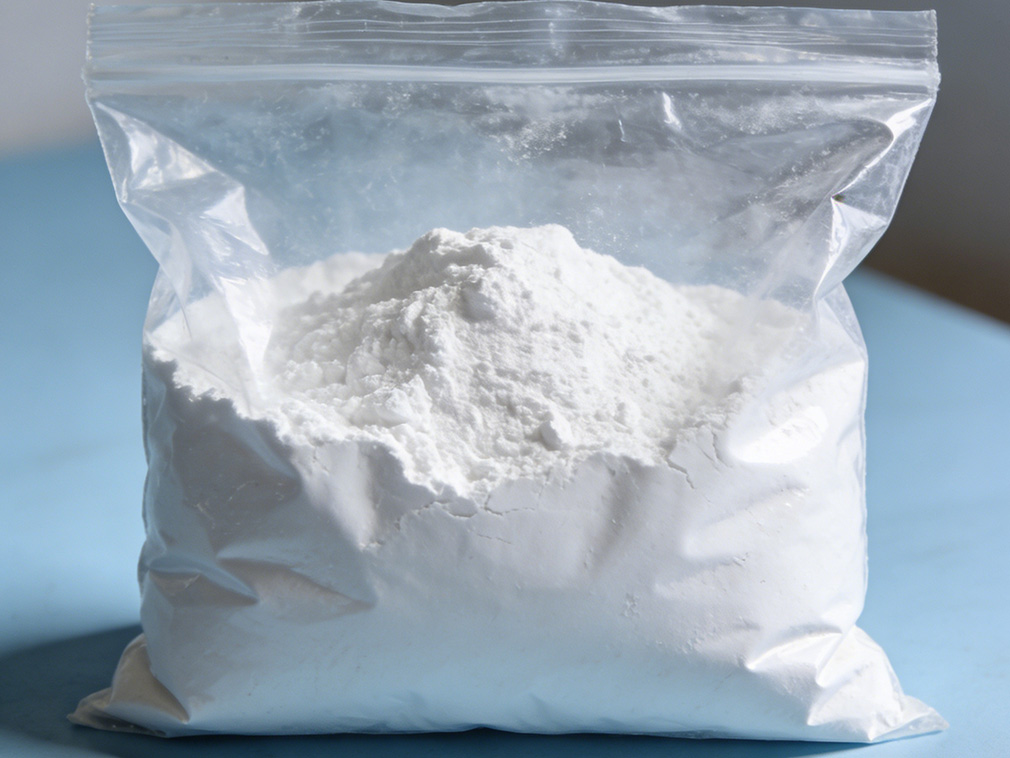
In the beverage industry, high-purity titanium dioxide primarily functions as a light-shielding agent and turbidity regulator. In fruit juices and plant-based protein drinks, adding appropriate amounts can simulate the cloudy texture of natural beverages, enhancing the perceived natural flavor while masking sediment and impurities to ensure uniform appearance.
In solid beverages, such as milk tea powder and protein powder, it enhances the whiteness and dispersibility of the powder, preventing clumping during preparation and ensuring a smooth texture. It can be used in appropriate amounts as needed in these products.
Furthermore, it can be used in the preparation of food packaging materials, improving the UV-blocking properties of the packaging to protect vitamins, pigments, and other components in beverages from UV degradation, maintaining the product's nutrition and flavor.
Safety and compliance are the core prerequisites for the application of food-grade high-purity titanium dioxide. Previously, there was international controversy regarding the inhalation safety of powdered titanium dioxide. In August 2025, the European Court of Justice issued a final ruling, formally revoking the classification of "certain powdered titanium dioxide" as a carcinogen, ending years of controversy.
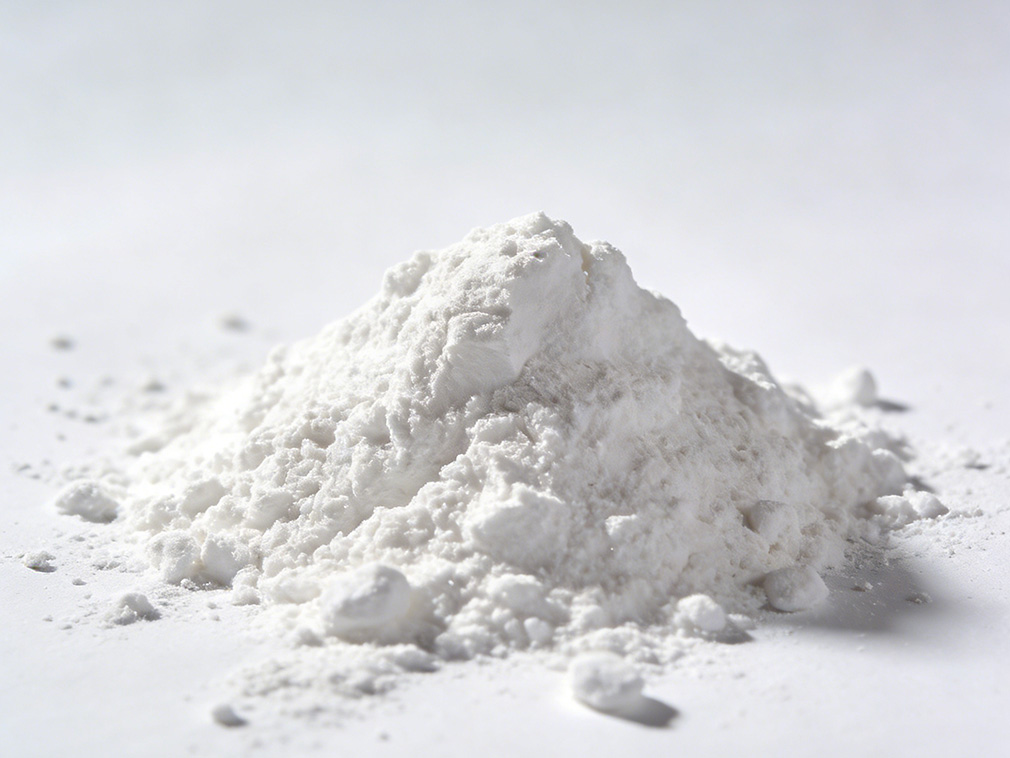
Currently, major global regulatory agencies have clearly defined the safety of its compliant use. The Joint FAO/WHO Expert Committee on Food Additives (JECFA) has not set a numerical limit for its acceptable daily intake (ADI). China, the United States, Australia, New Zealand, and Canada have not issued bans, with only the European Union prohibiting its use as a food coloring agent.
China's GB 2760-2024 "National Food Safety Standard for the Use of Food Additives" clearly stipulates that its usage in jams should not exceed 5.0 g/kg, and in dehydrated potatoes, it should not exceed 0.5 g/kg. It can be used in appropriate amounts as needed in the coating of confectionery and chocolate products, solid beverages, and collagen casings. In practical applications, due to its high inertness, it is not absorbed by the human body and is ultimately excreted in feces. Under normal intake conditions, it has no adverse effects on human health.
With the continuous improvement of quality requirements in the food and beverage industry, the application of high-purity titanium dioxide is also constantly innovating. Currently, the industry has developed various forms of products such as oil-dispersible slurries and instant powders to meet the production process requirements of different food and beverages. For example, oil-dispersible products can be used directly in oil-based foods to improve dispersion efficiency.
Our platform connects hundreds of verified Chinese chemical suppliers with buyers worldwide, promoting transparent transactions, better business opportunities, and high-value partnerships. Whether you are looking for bulk commodities, specialty chemicals, or customized procurement services, TDD-Global is trustworthy to be your fist choice.