Catalyst Management in PET Production for Efficiency & Compliance
Catalysts play a crucial role in PET (polyethylene terephthalate) production, directly influencing reaction efficiency, molecular chain growth, and the final resin properties. Industrially, metal-based catalyst systems are widely used to achieve stable polymerization processes and consistent product quality. Currently, the mainstream metal catalysts for PET polymerization include antimony-based, titanium-based, and germanium-based catalysts.
Among them, antimony-based catalysts remain the most widely used due to their stable catalytic effect and reasonable cost; while titanium-based catalysts, with their higher activity, have seen a continuous increase in their use in scenarios seeking high-efficiency production in recent years—their activity can be about 40% higher than traditional antimony-based catalysts, significantly shortening the polymerization cycle and providing considerable potential for improving production line efficiency.
Because the influence of catalysts extends throughout the entire process, systematic and meticulous management of them becomes key to ensuring the continuity of PET production, product compliance, and performance stability.
Core Objective: Stable Polymerization and Precise Molecular Weight Control
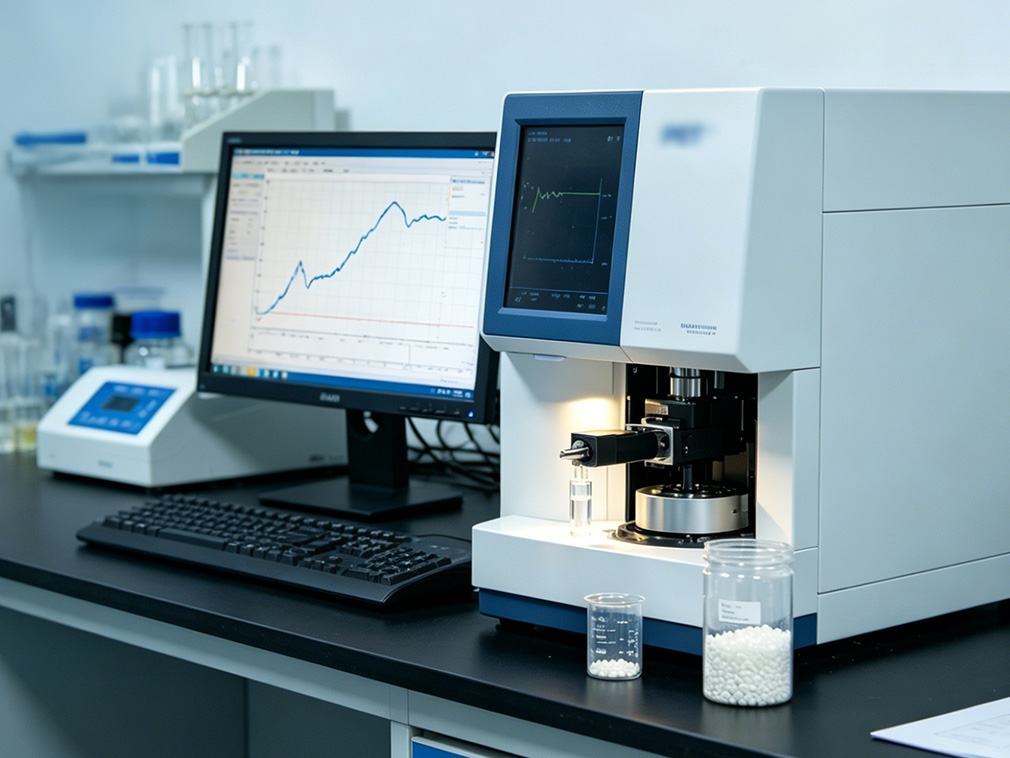
The primary task of catalyst system management is to ensure stable polymerization and controllable molecular weight. PET polymerization involves two steps: esterification and polycondensation. The catalyst needs to be adapted to the requirements of both stages: effectively increasing the reaction rate while minimizing side reactions.
Especially in the polycondensation stage, the control of catalyst dosage is extremely precise. Insufficient dosage significantly slows the reaction rate, making it difficult for the polymer to reach the ideal degree of polymerization; excessive dosage can lead to problems such as ethylene glycol degradation and excessive diethylene glycol formation, directly affecting the product's color and thermal stability.
In actual production, factories need to dynamically adjust the catalyst addition based on parameters such as raw material purity, reaction temperature, and vacuum level. Typically, the total content of metal catalysts in the final resin is controlled to no more than 130 ppm, with titanium-based catalysts typically remaining between 0 and 20 ppm, and antimony-based catalysts controlled between 5 and 130 ppm. This precise control is precisely to achieve uniform molecular weight distribution, ensuring that the PET resin fully meets standards in key indicators such as strength and heat resistance.
Safety Bottom Line: Strict Residue Control to Safeguard Compliance and Health
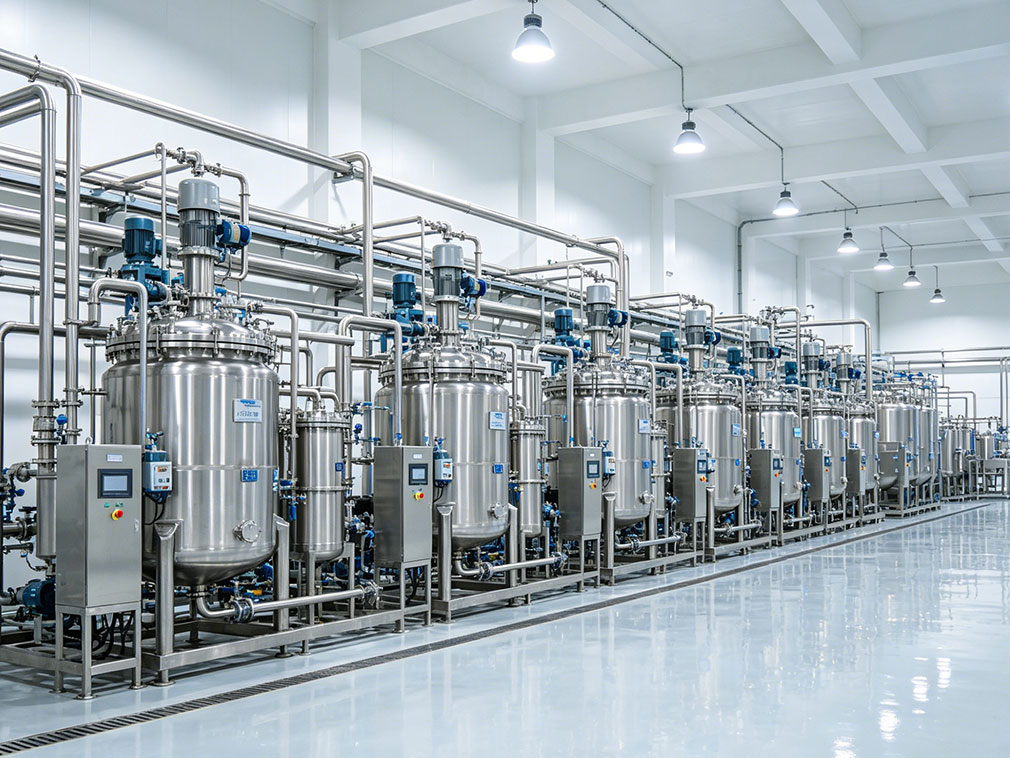
Monitoring the residual levels of catalyst-related substances in the final resin is a crucial measure to ensure product safety and compliance. Catalyst residues can not only affect the subsequent processing performance of PET but also impact the safety of end-use applications due to migration issues—especially for PET resins used in food packaging, where residue control standards are even more stringent.
Currently, the industry generally employs sophisticated testing methods to ensure compliance: for example, a migration test is conducted using a 4% acetic acid solution at 60°C for 2 hours to monitor the migration of metal elements such as antimony; simultaneously, the intrinsic viscosity of the resin is determined using a phenol/tetrachloroethane mixed solvent method to indirectly assess the impact of catalyst residues on resin performance.
For food-grade PET resins, strict adherence to standards such as FDA 21 CFR 177.1630 is mandatory to ensure that catalyst residues and migration levels comply with regulations, effectively avoiding potential risks to human health.
Regulatory Foresight: Keeping Pace with the Evolution of Regulatory Frameworks such as REACH
Continuously monitoring regulatory developments under the regulatory framework is an important extension of catalyst system management. Since 2025, the EU's REACH regulation has been gradually upgrading its oversight of petroleum and coal-derived substances.
The core approach has shifted from controlling individual substances to more refined risk management based on components and specific applications, with a future focus on restricting the use of hazardous components in high-exposure scenarios.
Catalysts and some auxiliary substances used in PET polymerization fall under the REACH regulation. Companies need to closely monitor updates from the European Chemicals Agency (ECHA), particularly key milestones: proposals for human health testing of petroleum/coal-derived substances (PetCo) before 2030, and the clear definition of PBT (persistent, bioaccumulative, toxic), vPvB (high persistence, high bioaccumulative), and CMR (carcinogenic, mutagenic, reproductive toxicity) hazards by 2035.
To proactively adapt to new regulatory requirements, the industry is actively adopting new methodologies (NAMs) to optimize catalyst component analysis, ensuring that catalyst systems comply with EU and target market classification standards, thereby mitigating trade compliance risks.
In summary, catalyst system management needs to simultaneously consider polymerization efficiency, product quality, and regulatory compliance. Only through precise control of catalyst dosage, rigorous monitoring of residual levels, and close attention to regulatory developments can efficient, stable, and compliant PET production be achieved.
This not only supports the smooth operation of current production lines but also points the way for the continuous optimization and upgrading of catalyst systems, helping the industry move towards a green, low-carbon, and high-quality development future.
Our platform connects hundreds of verified Chinese chemical suppliers with buyers worldwide, promoting transparent transactions, better business opportunities, and high-value partnerships. Whether you are looking for bulk commodities, specialty chemicals, or customized procurement services, TDD-Global is trustworthy to be your fist choice.