PVC Flame Retardancy: Structure, Modification & Applications
Polyvinyl chloride (PVC) is widely used in construction, electronics, transportation, and industrial protection due to its excellent cost-effectiveness, weather resistance, and processing performance. Its most prominent feature is its flame-retardant advantage, which is distinct from common plastics such as polyethylene (PE), polypropylene (PP), and polystyrene (PS).
PVC possesses natural flame-retardant properties without the need for large amounts of added flame retardants. With further scientific modification, its flame-retardant performance can be further improved to meet the safety requirements of various scenarios. Related technologies and application standards are always at the forefront of the industry, combining advanced technology with practical value.
Chemical Structure: Natural Flame-Retardant Genes
The inherent flame retardancy of PVC stems from its unique chemical structure. The chlorine content in the PVC molecular chain is as high as 56% or more, giving it the ability to build a self-igniting "flame-retardant barrier" during combustion. When PVC comes into contact with an open flame, it first undergoes thermal decomposition, releasing hydrogen chloride gas.

This gas dilutes the oxygen concentration around the combustion zone and absorbs a large amount of heat, thus inhibiting the continued combustion chain reaction and achieving "self-extinguishing" upon removal of the flame. Data shows that the limiting oxygen index (LOI) of pure PVC resin can reach around 45%, while that of PE and PP is only 17%–18%. A higher LIO means the material is less likely to continue burning, which is the core reason for PVC's flame-retardant performance.
Modification Enhancement: Taking Flame Retardant Performance to the Next Level
In practical applications, the processing and mechanical properties of pure PVC resin are limited, necessitating the addition of various additives. However, some additives (especially plasticizers) may weaken its flame retardancy. Therefore, the industry commonly uses flame retardant compounding technology to further optimize performance. Currently, mainstream modification methods include adding inorganic flame retardants (such as aluminum hydroxide and magnesium hydroxide), phosphorus-based flame retardants, and nano-flame retardant materials.
These methods enhance the flame-retardant effect through synergistic effects while maintaining the material's flexibility and processability. For example, PVC products with added nano-level inorganic flame retardants can have their LIO increased to over 38%, far exceeding the national B1 flame retardant standard (Oxygen Index ≥ 32%). These materials, once exposed to an open flame, form a dense char layer within 3 seconds, effectively blocking heat and oxygen transfer and keeping the flames out.
Stringent Standards: Data-Driven Safety Verification
PVC's flame-retardant properties have been rigorously verified by numerous authoritative domestic and international standards. Domestic standards clearly define requirements for the flame-retardant performance of PVC products, covering key indicators such as oxygen index, vertical burning rating, smoke density, and toxic gas release.
Testing shows that PVC products meeting these standards produce drips with a temperature below 80°C during combustion, self-extinguish within 2 seconds of being removed from the flame, and do not release large amounts of toxic gases, fully meeting the safety requirements of fields such as construction and electronics. For example, PVC fireproof netting commonly used in construction can withstand temperatures up to 1200°C for 30 minutes without melting, playing a vital protective role in high-temperature environments such as steel smelting and construction.
Multiple Applications: From Landmark Buildings to Industrial Protection
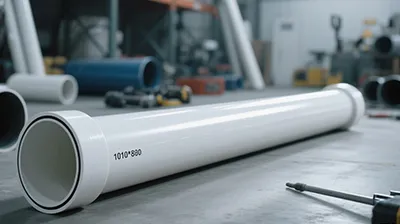
Thanks to its excellent flame-retardant properties, PVC has proven its effectiveness in many fields with extremely high safety requirements. In the construction industry, flame-retardant modified PVC pipes, flooring, and fireproof netting can achieve flame-retardant ratings, effectively reducing fire hazards. Flame-retardant PVC products have been selected as protective materials in several landmark projects in Xiong'an New Area and the restoration of ancient buildings in the Forbidden City.
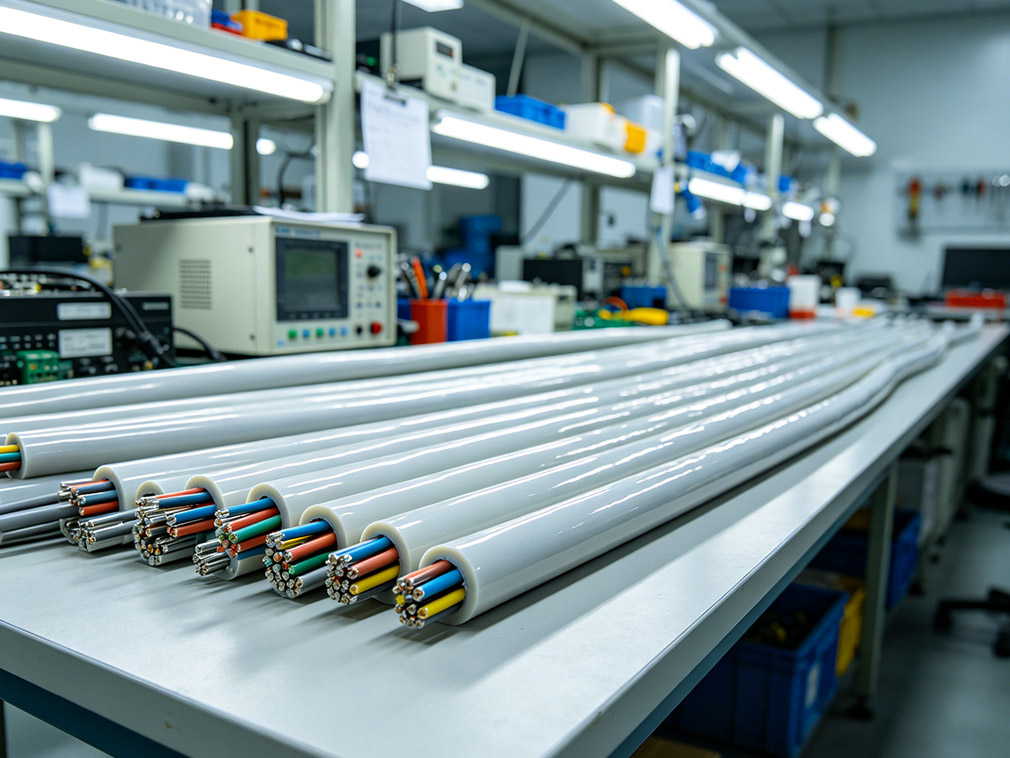
In the electronics field, the flame-retardant layer of PVC wires and cables can prevent the spread of flames caused by electrical faults, buying valuable time for evacuation. In industrial settings, flame-retardant PVC products are used in chemical storage facilities and steel workshops, successfully preventing numerous localized fires and significantly reducing property damage.
Of course, the flame retardancy of PVC is not static. Its performance is greatly affected by the formulation and processing technology, especially for flexible PVC, which, due to the addition of large amounts of flammable plasticizers, has lower flame retardancy than rigid PVC. In such cases, targeted flame-retardant modification is needed to compensate for the deficiency. Meanwhile, with increasingly stringent environmental regulations, halogen-free flame-retardant PVC has become an important development direction in the industry.
Adopting a halogen-free flame-retardant system can maintain excellent flame-retardant performance while reducing the release of harmful gases, achieving a balance between safety and environmental protection. In summary, PVC's flame-retardant properties stem from its unique chemical structure. Combined with modern modification techniques and strict standard control, it becomes a high-quality material that combines safety and practicality, playing an irreplaceable role in safety protection across various industries.
Our platform connects hundreds of verified Chinese chemical suppliers with buyers worldwide, promoting transparent transactions, better business opportunities, and high-value partnerships. Whether you are looking for bulk commodities, specialty chemicals, or customized procurement services, TDD-Global is trustworthy to be your fist choice.