
Chlorinated Polyethylene (CPE): The Unsung Hero of Plastic Modification
You might rarely notice it, but it may be hidden in your PVC doors and windows, outdoor air conditioner casings, and even underground cable sheaths—a magical white powder: chlorinated polyethylene (CPE). Today, let's get to know this unassuming "material modification master."
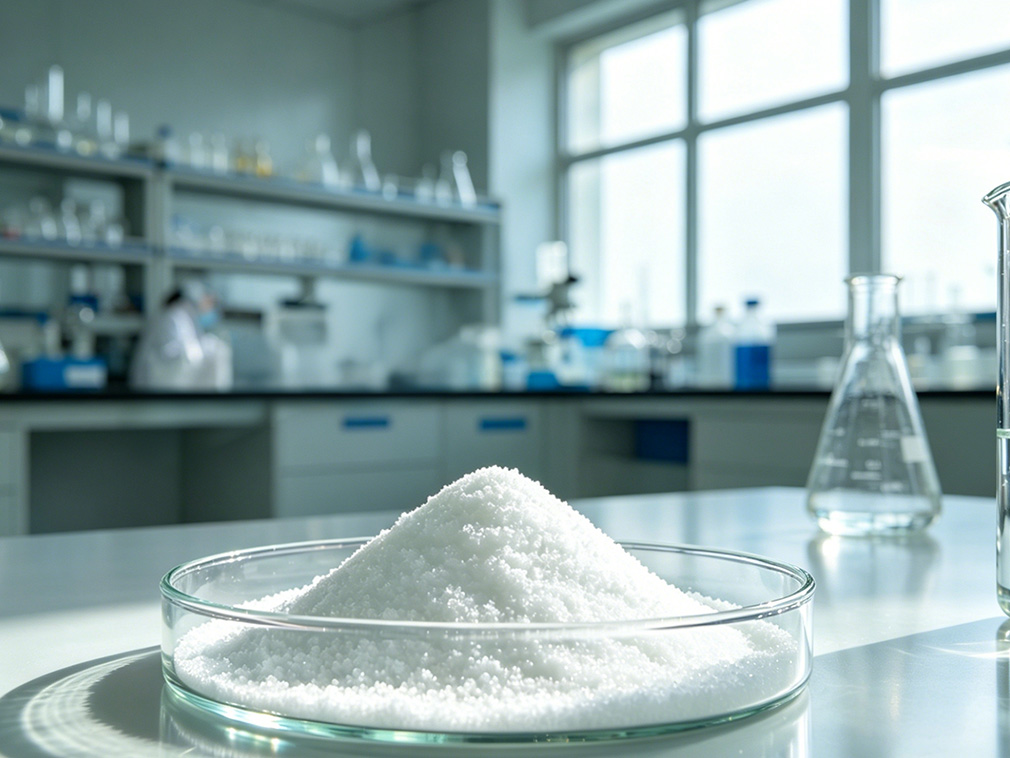
What is it?
Chlorinated polyethylene (CPE) is a saturated polymer material produced from high-density polyethylene (HDPE) through a chlorination substitution reaction. It appears as a white powder, is non-toxic and odorless, and is an indispensable high-performance impact modifier in the plastics industry. Its core mission is clear: to make hard and brittle plastics tough and impact-resistant, while also endowing them with a series of practical additional properties.
The secret to greatly increased toughness: Built-in "micro-buffers"
While rigid plastics (such as PVC and PP) have good strength, they are inherently vulnerable to drops and impacts, especially at low temperatures, where they are prone to brittle fracture. How does CPE "cure" this brittleness? The answer lies in its unique molecular structure.
The molecular chains of CPE are in a saturated state, with chlorine atoms randomly "embedded" in the long chains. This structure allows it to both "play well" with rigid plastics (good compatibility) and retain its own unique characteristics. When CPE is blended with plastic, it disperses evenly within the plastic matrix, forming countless tiny, flexible rubber phases. You can think of each rubber phase as an invisible "buffer pad."
When an external impact occurs, these millions of tiny "buffer pads" deform preferentially, absorbing and dispersing the impact energy. Simultaneously, if a crack attempts to propagate, these flexible regions force the crack to "take a detour," deflect, and become blunt, making it difficult for the crack to penetrate deeply, thus greatly improving the material's fracture toughness.
Even more impressive is its cold-resistance. Ordinary rigid plastics become brittle in winter, but after CPE modification, the plastic's embrittlement temperature can be lowered to -40℃, maintaining excellent impact resistance even in extremely cold environments, perfectly solving the industry pain point of "brittleness upon cooling."
Weather-Resistant: Unfazed by Sun and Rain
The biggest fear for plastic products exposed outdoors is aging—yellowing, cracking, and becoming brittle. CPE's saturated molecular structure inherently gives it excellent resistance to heat and oxygen aging, as well as ozone aging. Even under harsh conditions with ozone concentrations as high as 400×10⁻⁶ (400ppm), CPE surfaces show almost no cracking.
Therefore, outdoor plastic building materials and appliance casings incorporating CPE can easily withstand the tests of sun, rain, and diurnal temperature variations, maintaining stable performance and significantly extending their lifespan.
Naturally Flame-Retardant: Self-Protecting in Fire
Fire safety is paramount, and CPE possesses inherent flame-retardant properties. Its molecules contain chlorine, making it inherently flammable and preventing the spread of fire. When exposed to flame, a layer of charred "ash armor" forms on the surface of CPE. This dense char layer effectively isolates oxygen, preventing the flame from spreading inward.
The higher the chlorine content, the more pronounced the flame-retardant effect. When used in combination with antimony-based flame retardants and aluminum hydroxide, CPE can be used to prepare modified plastics with excellent fire-retardant properties at an economical cost. Compared with other chlorine-containing flame retardants, CPE is less prone to producing molten droplets during combustion, has a more durable flame-retardant effect, and is safer to use.
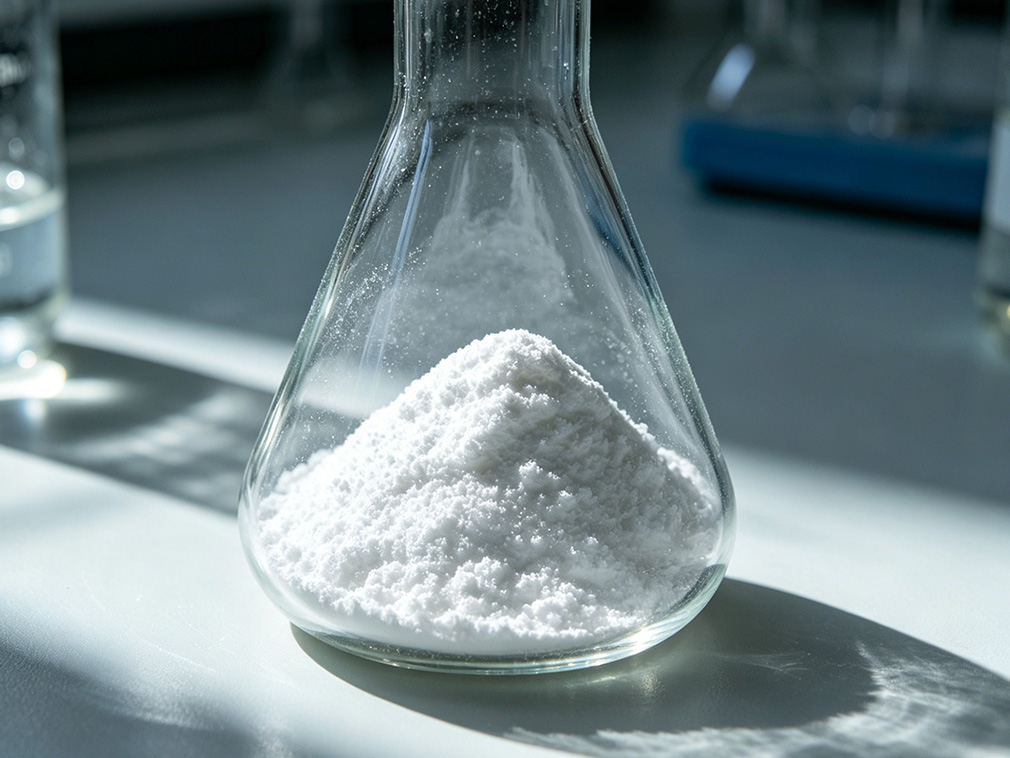
Low-voltage insulation: An ideal choice for cable sheathing
In terms of electrical performance, CPE is an excellent "guardian" of low-voltage insulation. Although its polarity makes it more suitable for low-voltage scenarios, its excellent ozone resistance, heat aging resistance, and abrasion resistance make it an ideal material for wire and cable sheathing. Interestingly, the dielectric constant of CPE changes regularly with chlorine content—the higher the frequency of use, the lower the chlorine content corresponding to the peak dielectric constant.
This means that by precisely controlling the chlorine content, the required insulation solutions can be customized for different low-voltage electrical products, ensuring the safe and stable operation of equipment.
Widely applicable and environmentally friendly
Today, CPE has permeated all aspects of our production and life:
Building materials: Used in PVC profiles, pipes, railings, etc., to improve impact resistance and weather resistance, making houses more durable.
Wires and cables: Used for sheathing coal mine cables and low-voltage cables to protect electrical safety.
Plastic modification: Used for plastics such as ABS and PP to improve their flame retardancy, aging resistance, and printability.
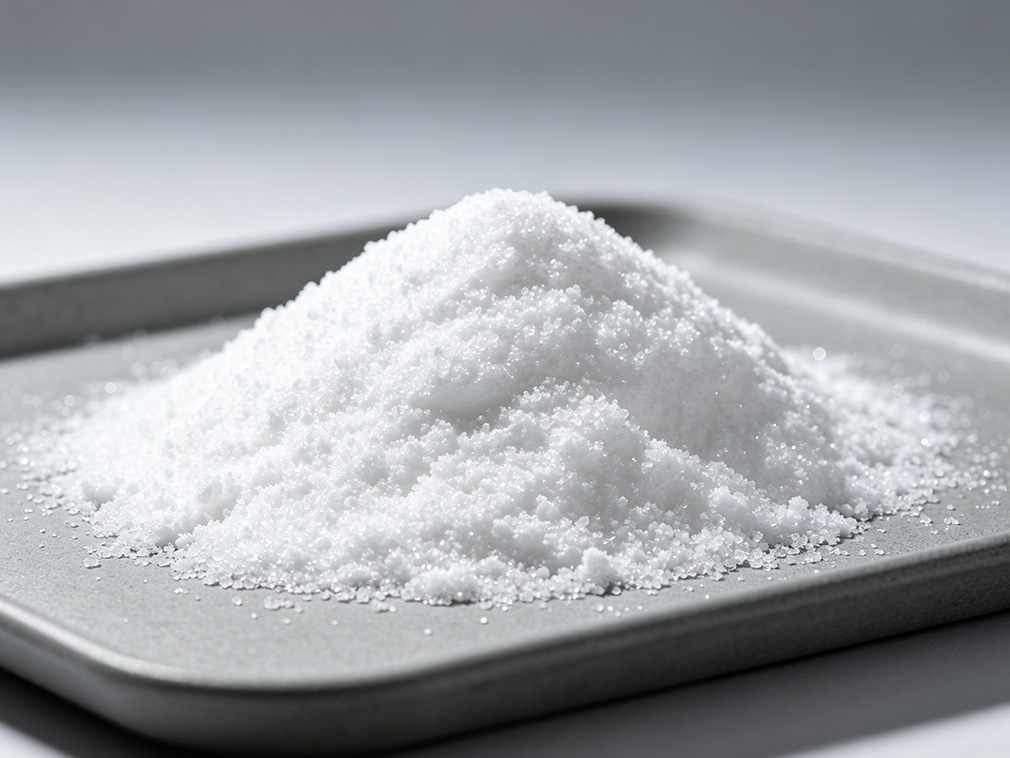
Besides its powerful functions, CPE is also very versatile. It has good processing properties and can be easily produced using conventional extrusion and injection molding equipment. More importantly, it is non-toxic and environmentally friendly, containing no heavy metals or harmful components, fully meeting current global green production standards. With the continuous advancement of plastic modification technology, the future application scenarios of this affordable and versatile material will be further expanded.
Our platform connects hundreds of verified Chinese chemical suppliers with buyers worldwide, promoting transparent transactions, better business opportunities, and high-value partnerships. Whether you are looking for bulk commodities, specialty chemicals, or customized procurement services, TDD-Global is trustworthy to be your fist choice.












