Cellulose Ethers in Construction & Coatings: Key Applications and Trends
Cellulose ethers are a class of high-molecular-weight compounds obtained through chemical modification of natural cellulose. Due to their excellent thickening, binding, and water-retention properties, they have become important functional additives in the construction and coatings industries. With the gradual improvement of industry standards and the advancement of green trends, the application technology of cellulose ethers is also constantly being upgraded.
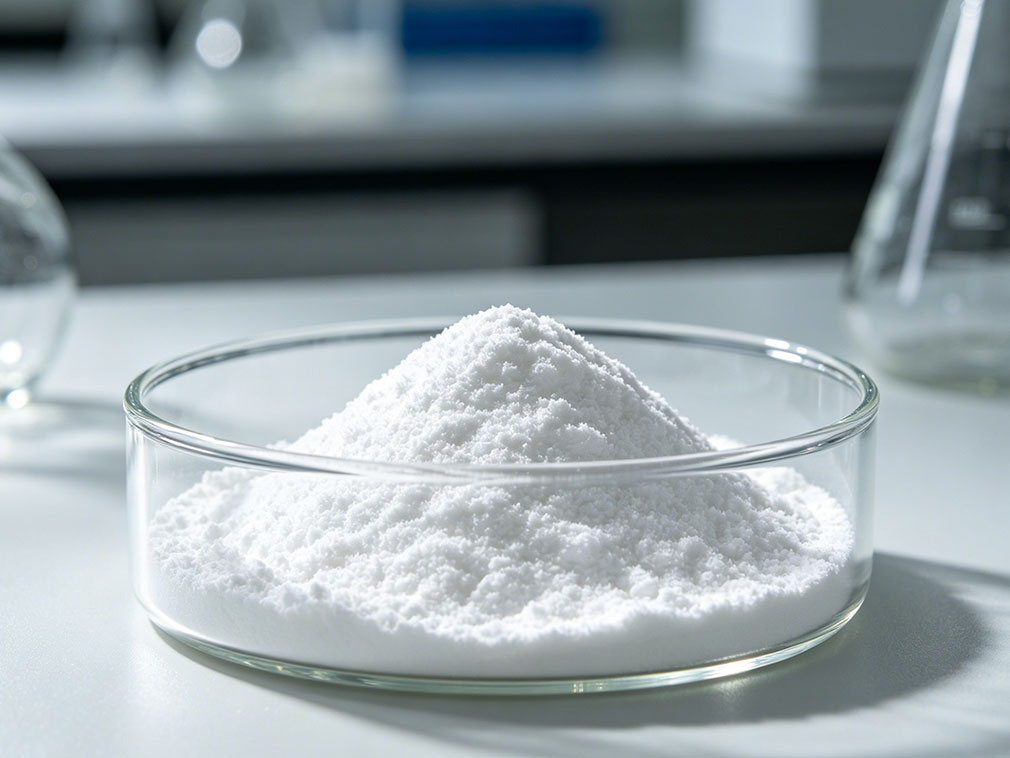
In the construction field: A triple role of water retention, binding, and thickening
In building materials such as dry-mix mortar, tile adhesive, and putty, cellulose ethers mainly perform three functions:
Water retention
Cellulose ethers can effectively lock in moisture within the system, delaying water evaporation and providing sufficient time for the hydration reaction of cement and other cementitious materials, thereby reducing problems such as cracking, sanding, and hollowing caused by excessive water loss. This property is difficult for many traditional starch-based additives to achieve.
According to the JC/T 2190-2024 standard "Cellulose Ethers for Dry-Mix Mortar," the water retention rate of qualified products should not be less than 90%, and some high-end products can exceed 95%, which helps improve the workability and durability of mortar.
Adhesion Properties
Cellulose ethers enhance the adhesion between materials and the substrate. Adding cellulose ethers to tile adhesives and masonry mortars helps reduce the risk of tiles becoming hollow or detaching after installation.
When used appropriately in putty, it can improve adhesion, making the putty easier to apply and less prone to peeling, while also improving the workmanship. Data shows that putty with 0.3% hydroxypropyl methylcellulose (HPMC) added can increase crack resistance by approximately 60% and improve construction efficiency by approximately 30%.
Thickening and Thixotropic Adjustment
The molecular chains of cellulose ethers intertwine in water, increasing the viscosity of the system and keeping mortar and putty uniform and stable, facilitating construction. It also imparts suitable thixotropic properties to materials—viscosity decreases during stirring, making operation easier; viscosity increases after standing, preventing material settling.
HPMC is the most commonly used variety in the construction industry. By adjusting the degree of etherification and substitution, high water-retention products suitable for the dry environment of northern regions or moisture-proof products suitable for the humid environment of southern regions can be customized.
In the coatings industry: More than just thickening, it's key to stability and application
In water-based coatings and latex paints, cellulose ethers play an irreplaceable role, with hydroxyethyl cellulose (HEC) being the core variety.
Unique Thickening and Rheological Properties
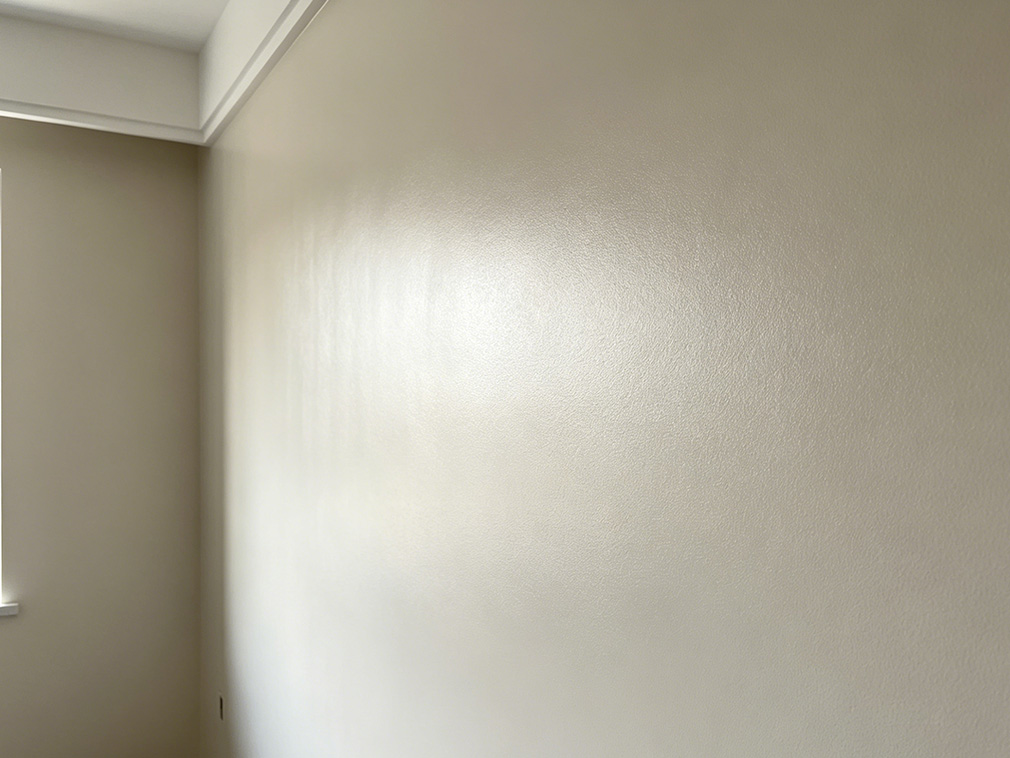
HEC provides a shear-thinning thickening effect. During application, the coating viscosity rapidly decreases under high shear, ensuring smooth spraying and full roller application while reducing splatter; after application, it recovers a higher structural viscosity under low shear, supporting wet film thickness and preventing sagging. This ability to precisely control rheological behavior makes cellulose ethers impossible to completely replace with synthetic thickeners.
Water Retention, Anti-Setting, and Film-Forming Assistance
HEC slows down moisture evaporation, improving the storage stability of coatings and effectively preventing the settling of inorganic fillers such as titanium dioxide and heavy calcium carbonate during standing. Industry test data from 2025 shows that adding 0.35% HEC can reduce the settling rate of architectural latex paint from 18.7% before addition to below 0.9%.
Simultaneously, it improves paint leveling, reduces brush marks, helps maintain film gloss, enhances adhesion between the paint film and the substrate, and improves scrub resistance, making it suitable for various coating applications including interior walls, exterior walls, and industrial corrosion protection.
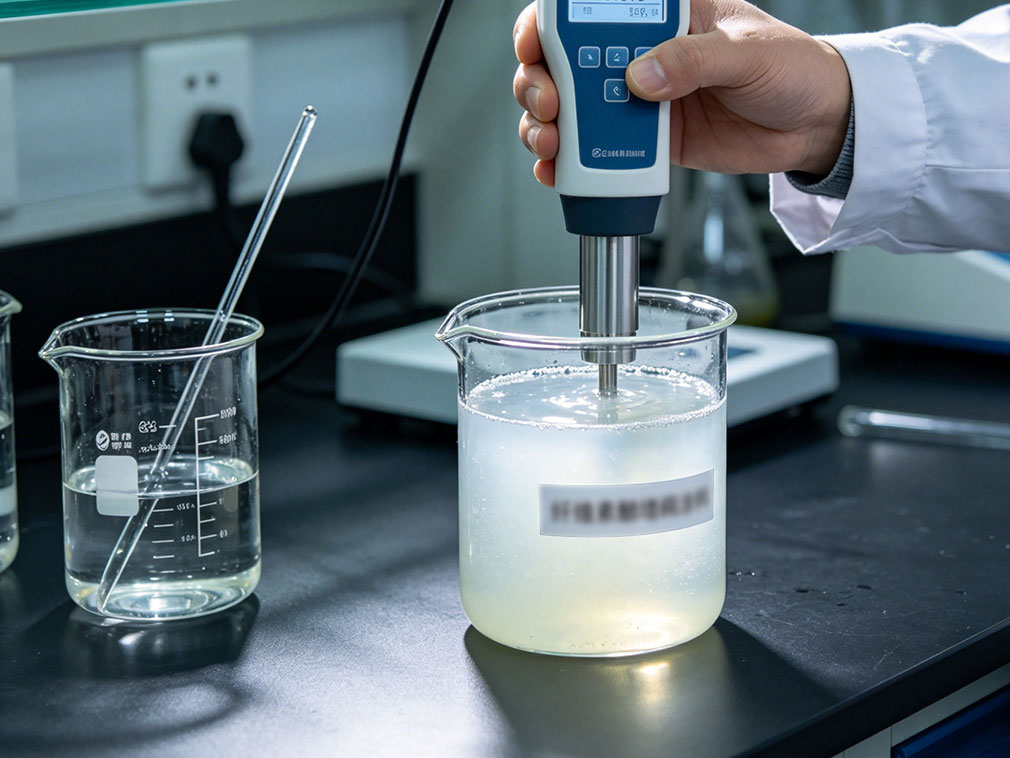
Driven by green building and environmentally friendly coating policies, the cellulose ether industry is moving towards cleaner and higher-performance products. The industry is gradually promoting solvent-free etherification technology to reduce wastewater and exhaust emissions; at the same time, it is actively exploring the use of renewable raw materials such as straw and bamboo fiber to partially replace wood cellulose, reducing dependence on forest resources.
Our platform connects hundreds of verified Chinese chemical suppliers with buyers worldwide, promoting transparent transactions, better business opportunities, and high-value partnerships. Whether you are looking for bulk commodities, specialty chemicals, or customized procurement services, TDD-Global is trustworthy to be your fist choice.