Chemical Industry: TiO₂ Uses
Titanium dioxide (TiO₂), a high-performance inorganic pigment, holds an irreplaceable position in the chemical industry due to its excellent whiteness, hiding power, weather resistance, and chemical stability.
Coatings Industry: Core Pigment, Enabling Multi-Scenario Protection and Decoration
In the coatings industry, titanium dioxide is undoubtedly the "core pigment," accounting for over 60% of total titanium dioxide consumption. Whether in architectural coatings, industrial coatings, or automotive coatings, the addition of titanium dioxide significantly improves the hiding power and decorative effect.
In the architectural coatings sector, adding titanium dioxide to exterior wall latex paint not only produces a pure and uniform white or light-colored base tone but also effectively resists fading and chalking caused by sun exposure due to its excellent UV resistance, extending the service life of exterior walls and reducing maintenance costs.
In automotive coatings, high-end sedans require extremely high color saturation and gloss in their topcoats. Titanium dioxide, through precise formulation with other pigments, ensures both high hiding power and enhanced wear and corrosion resistance, keeping the car's exterior looking brand new even after long-term use.
Furthermore, in the field of anti-corrosion coatings, the chemical inertness of titanium dioxide allows it to isolate moisture and oxygen from the metal substrate. Combined with anti-corrosion resins, it forms a highly effective protective coating, widely used in corrosion-prone environments such as oil pipelines and offshore platforms, ensuring the safe operation of industrial equipment.
Plastics Industry: Combining Coloring and Protection, Adapting to Diverse Needs
The plastics industry is the second largest application area for titanium dioxide, accounting for approximately 20% of total consumption. In plastic processing, titanium dioxide primarily functions as a colorant, opacifier, and protectant against aging.
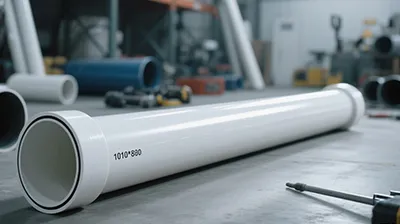
For white or light-colored plastic products, such as food packaging films, plastic pipes, and appliance casings, adding titanium dioxide effectively masks the yellowish undertones of the plastic, giving the product a clean appearance and enhancing its market competitiveness. In PVC (polyvinyl chloride) products, the addition of titanium dioxide can inhibit the degradation of PVC due to photo-aging during processing and use, extending the service life of plastic products.
It is worth noting that different application scenarios have different performance requirements for titanium dioxide: food packaging plastics require titanium dioxide that meets food-grade standards to ensure their safety.
Outdoor plastic pipes, on the other hand, require titanium dioxide with excellent weather resistance to withstand harsh environments.
Paper Industry: Enhancing the Performance of High-End Paper, Balancing Cost and Quality
The paper industry is also an important application scenario for titanium dioxide, mainly used in the production of high-grade paper, such as coated paper, dictionary paper, and banknote paper. In the papermaking process, titanium dioxide, as a filler or coating pigment, can significantly improve the whiteness, opacity, and smoothness of the paper.
For coated paper, adding titanium dioxide to its surface coating layer can improve the paper's printability, resulting in vibrant colors and clear details in printed patterns, making it widely used in high-end printed materials such as brochures and magazines. In the production of thin papers such as dictionary paper, titanium dioxide's high opacity ensures thinner paper while preventing bleed-through, thus improving the reading experience.
Furthermore, titanium dioxide improves the physical properties of paper, such as increasing tensile strength and folding endurance, and reducing breakage rates during processing and use. However, due to its relatively high cost, titanium dioxide is often used in combination with cheaper fillers like calcium carbonate in the production of mid- to low-grade paper to control costs while maintaining paper performance.
Emerging Fields: Expanding Application Boundaries and Supporting Industrial Upgrading
With the continuous development of the chemical industry, the application of titanium dioxide in emerging fields is gradually expanding. In the new energy field, titanium dioxide can be used as a coating material for lithium-ion battery cathode materials.
By forming a uniform titanium dioxide coating on the surface of the cathode material, it effectively suppresses side reactions between the electrolyte and the cathode material, improving the cycle stability and safety of lithium-ion batteries, and contributing to the development of new energy vehicles and energy storage industries.
In the field of environmental protection materials, nano-sized titanium dioxide possesses excellent photocatalytic properties, capable of decomposing harmful gases in the air (such as formaldehyde and benzene) and pollutants in water under ultraviolet irradiation. Therefore, it is widely used in products such as air purifier filters, antibacterial coatings, and wastewater treatment agents, providing technical support for improving environmental quality.
Furthermore, in the rubber industry, titanium dioxide can be used as a colorant and reinforcing agent for white rubber products, improving their aging resistance and mechanical strength, and is applied in products such as tires and seals.
Our platform connects hundreds of verified Chinese chemical suppliers with buyers worldwide, promoting transparent transactions, better business opportunities, and high-value partnerships. Whether you are looking for bulk commodities, specialty chemicals, or customized procurement services, TDD-Global is trustworthy to be your fist choice.