
Chemical Resistance in Adhesive Selection: A Key to Durability
Having worked in adhesive selection for a while, you'll notice an interesting phenomenon: when people are choosing adhesives from datasheets, their eyes are almost entirely focused on bond strength and curing speed. Chemical resistance? They just flip through the page.
The degree to which this indicator is ignored is completely disproportionate to its actual importance.
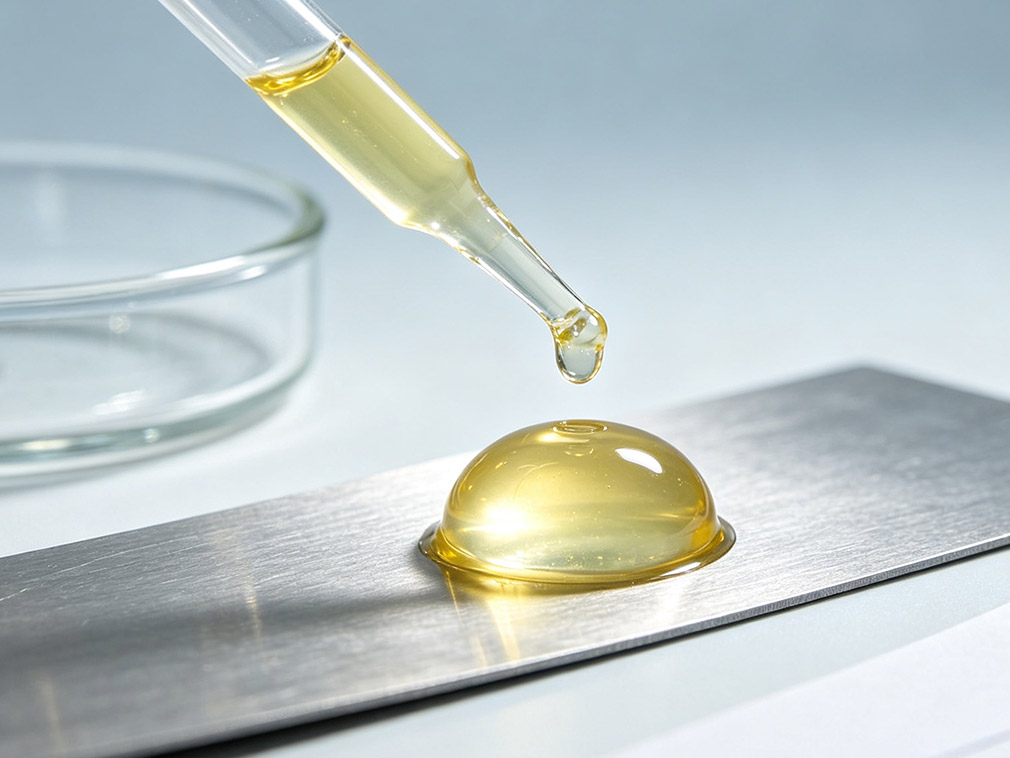
Why? Take a walk around a factory and look at the bonded components under real-world conditions. They're not working comfortably in a temperature-controlled cleanroom. Acids, alkalis, industrial solvents, engine oil, coolant, salt spray—these things surround the adhesive layer every day. Chemical media penetrating the polymer structure is a slow, insidious process.
For the first two or three months, you won't see any abnormalities with the naked eye, but the resin is already quietly swelling and softening. Then one day, suddenly it cracks, the interface separates, and the equipment breaks down. Only when you look back do you realize the problem was chemical resistance. Chemical production lines, automobile manufacturing, offshore platforms, and precision electronics—exposure to chemical media is commonplace in these scenarios, not an isolated incident. No matter how good the initial bond strength is, it's all for naught if the chemical resistance isn't up to par.
That said, assessing chemical resistance is inherently complex. You can't draw conclusions based on a single data point in a test report; there are too many variables.
The mode of contact is one of them. Even with engine oil, a sporadic splash is different from being constantly submerged. Under continuous immersion, the medium seeps in relentlessly, causing the most severe degradation and putting the adhesive to its worst strain.
Temperature also has a significant impact. As temperatures rise, chemical molecular movement accelerates, penetration intensifies, polymer chains loosen, and interfacial bonding weakens. Most conventional adhesives experience a precipitous drop in chemical resistance outside their rated temperature range; only a handful of specialty adhesives remain stable at high temperatures.
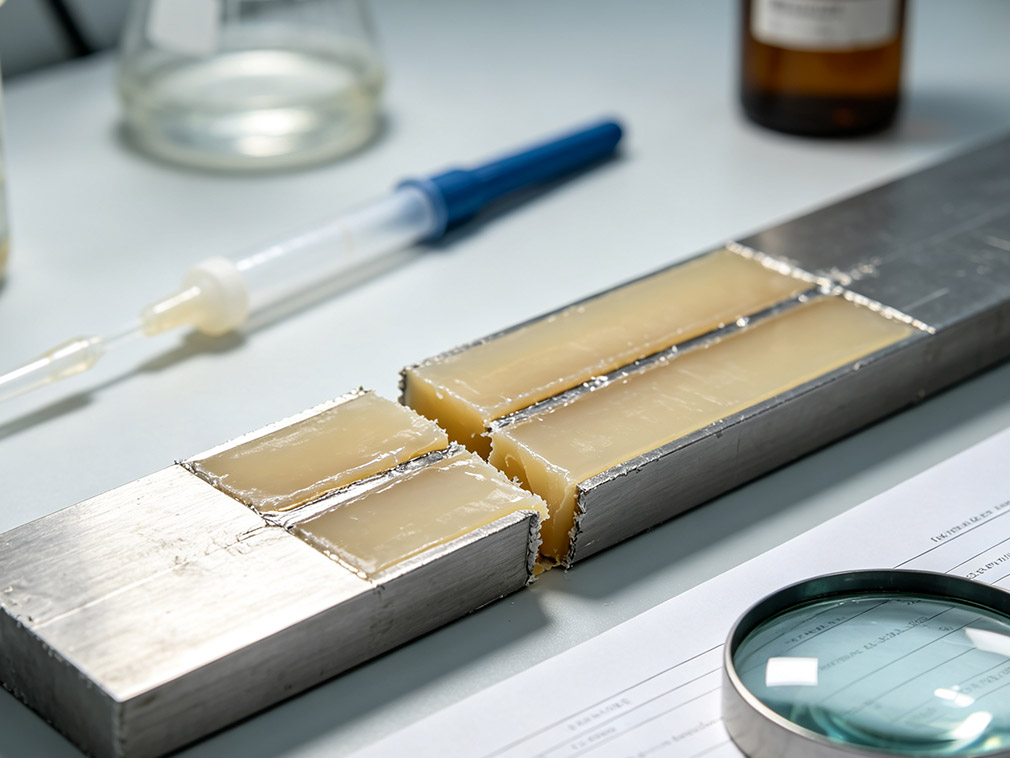
And that's not all. Mechanical load, exposure time, and the compatibility between the substrate and the medium—these factors, combined with chemical corrosion, can lead to failure faster than you might expect. Take, for example, the adhesive components in a car engine compartment. Engine oil, antifreeze, and electrolyte come in turn, and high-temperature vibration combined with mechanical stretching create a complex working environment where the requirements for chemical resistance are far more stringent than under single-medium conditions.
There's a common pitfall in epoxy resin selection: many people assume it has good chemical resistance and apply a generic selection standard. This thinking is flawed.
Chemical resistance isn't about one type being absolutely superior to another, but rather about suitability. While general-purpose epoxy resins do have a dense cross-linked network, their resistance to water, salt spray, weak acids and alkalis, and moisture aging is quite good, generally a level above ordinary polyurethane and instant adhesives (i.e., cyanoacrylate). However, it's not that other types of adhesives are inadequate.
Cyanoacrylate, after curing, is a linear polymer without the protective cross-linked network, making it vulnerable to polar solvents—acetone, alcohols, esters—and generally unable to withstand them. However, it does have an advantage: it's relatively resistant to aliphatic non-polar media like mineral oils. For applications requiring hydrolysis resistance, fuel resistance, or long-term use in low-temperature environments, high-performance modified polyurethanes (especially polyether-based) and polyurea polyurethanes are more reliable.
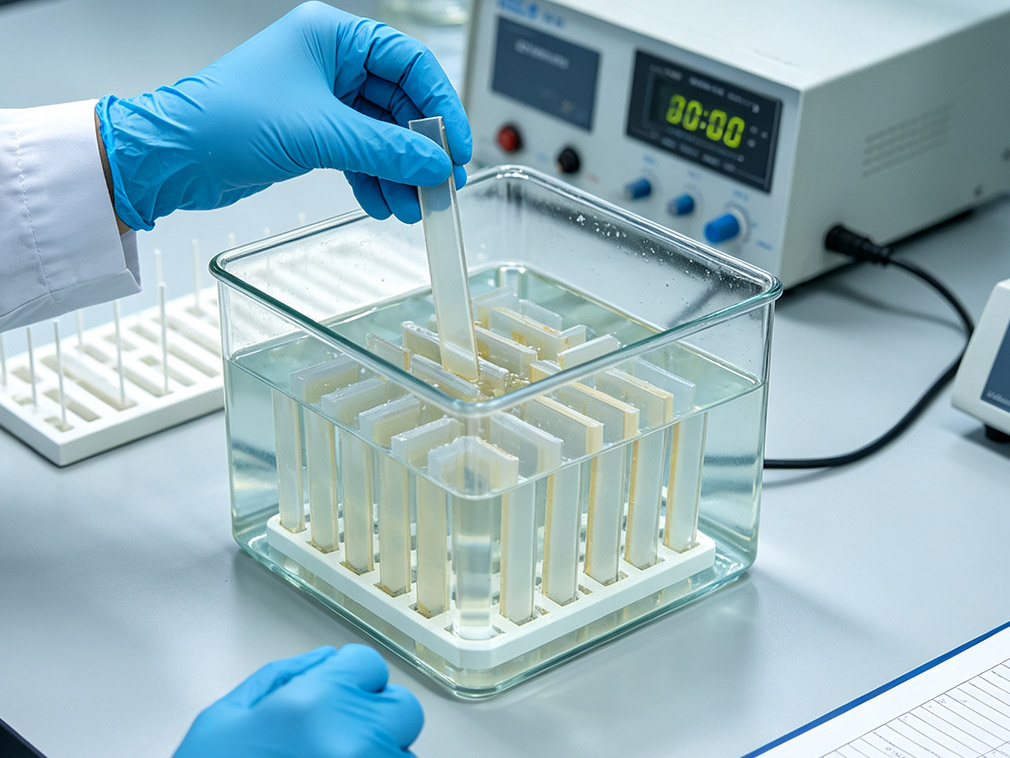
Epicyclic epoxy systems also vary significantly from one another. Different formulations, curing mechanisms, and functional additives can result in vastly different levels of chemical resistance. Some general-purpose epoxy formulations can only withstand moderately corrosive media; they quickly deteriorate in strong solvents or high-concentration acids and alkalis.
While modified epoxy can indeed be optimized for specific media, this optimization comes at a cost—toughening modifications improve impact resistance but reduce solvent and oil resistance. A universal adhesive that can handle all conditions? It doesn't exist.
Therefore, when selecting an adhesive, you can't just have a vague impression like "this adhesive has good chemical resistance." You need to thoroughly understand each application condition: what is the medium, its concentration, how it comes into contact, the operating temperature, and the duration of resistance. What is the substrate? What are the curing conditions? What are the long-term aging conditions? Is there any cumulative mechanical stress? All of these factors need to be considered together. Then, diligently conduct targeted media compatibility tests; don't try to save time by simply applying general standards.
The process is a bit cumbersome. But you have to do the math—aren't the subsequent repairs, replacements, and production stoppages all more expensive than conducting multiple tests upfront?
Our platform connects hundreds of verified Chinese chemical suppliers with buyers worldwide, promoting transparent transactions, better business opportunities, and high-value partnerships. Whether you are looking for bulk commodities, specialty chemicals, or customized procurement services, TDD-Global is trustworthy to be your fist choice.












