Cosmetic Packaging: PET vs PE
In cosmetic packaging, polyethylene terephthalate (PET) and polyethylene (PE) are the most widely used polymers due to their excellent overall performance. Although both materials belong to the thermoplastic category, differences in their molecular structure and physical and chemical properties lead to significant differences in key performance indicators such as barrier properties, mechanical strength, and chemical resistance.
The rational selection of packaging materials is not only crucial for the quality stability and shelf life of cosmetics but also a crucial prerequisite for achieving a balance between functionality and aesthetic value.
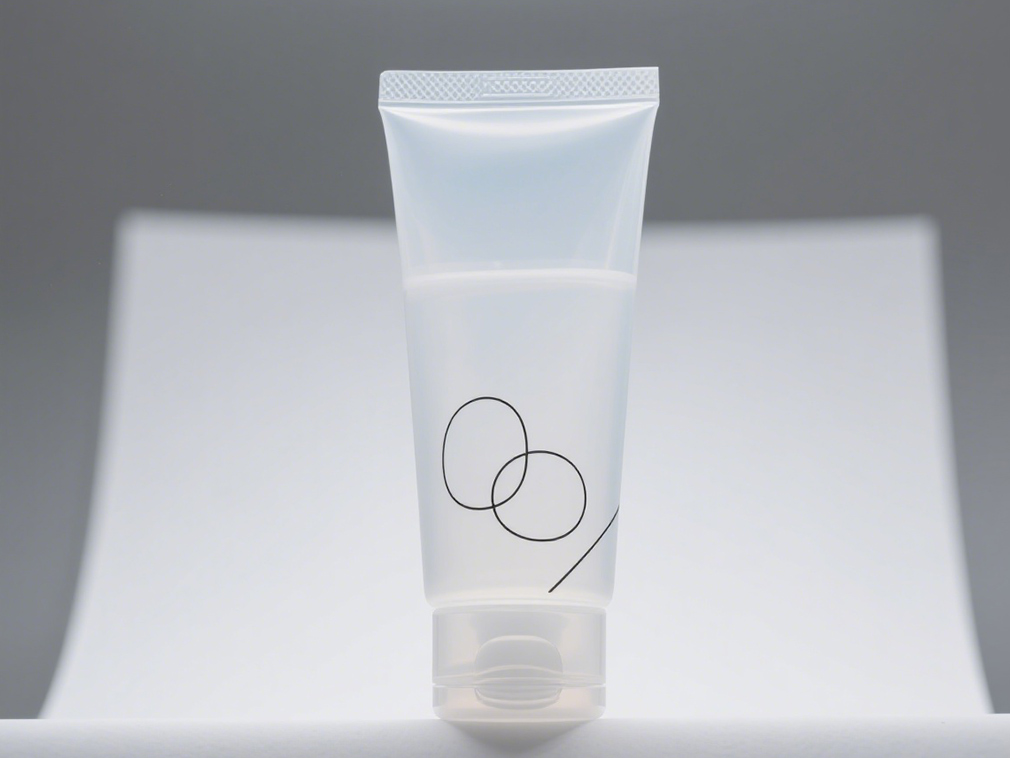
First, let's look at their "physique": One is strong, the other is flexible.
PET has a naturally strong "skeleton," with its molecules arranged in an orderly fashion, making it exceptionally strong. For example, its tensile strength can reach 50-70 MPa, two to three times that of high-density polyethylene, making it highly resistant to drops and impacts. Bottles made of PET can withstand moderate pressure without being too thick, allowing them to hold aerated sprays or serums without risk of deformation or breakage.
Polyethylene, on the other hand, has twisting molecular chains, making it particularly flexible. Although low-density polyethylene (LDPE) has a tensile strength of only 7-20 MPa, it can be stretched to great lengths, achieving an elongation at break of up to 900%. Therefore, polyethylene is ideal for tubes like toothpaste squeezers and bottles that require repeated squeezing, resisting any pressure.
Regarding "Protection": Which Best Protects the Goods in the Bottle?
For cosmetics, the "protection" of packaging is crucial. PET excels in this regard, acting like a tight "shield," offering a barrier to oxygen and carbon dioxide 10-15 times greater than high-density polyethylene, and a moisture barrier 3-5 times greater. Serums and essential oils containing easily oxidized ingredients like vitamin C and retinol can be packaged in PET bottles to delay spoilage and extend their shelf life.
Polyethylene's "protective net" is less tight, with large gaps between molecules, allowing oxygen and moisture to easily penetrate. Therefore, it's more suitable for packaging highly stable items like moisturizers and shampoos. For enhanced protection, it should be combined with aluminum foil spacers or multiple layers of material.
Plus, PET's light transmittance exceeds 90%, allowing the color and texture of the cosmetics inside the bottle to be clearly visible, making it highly aesthetically pleasing. Polyethylene is mostly translucent or milky white, which, while effective at blocking light, isn't as photogenic.
Environmental Protection: Each Has Its Own Efforts
Currently, everyone is concerned about environmental protection, and both materials have their own strengths in this regard. PET is a recyclable powerhouse. After recycling, it can be chemically transformed into raw materials for new packaging or fiber. Currently, the global recycling rate for PET packaging reaches 30%-50%. The EU has also mandated a 50% recycling rate for plastic packaging by 2030, which is good news for PET.
Polyethylene is more difficult to recycle, especially when dyed or composited with other materials. It's prone to contamination during processing, and low-density and high-density polyethylene must be recycled separately, which increases costs. Fortunately, there are new advances in polyethylene biodegradability. Some biodegradable polyethylene materials can completely decompose in the natural environment, contributing to environmental protection.
Cost and Processing: Which is the Best Choice?
Material selection requires economic considerations. PET raw materials are 20%-30% more expensive than polyethylene, but they are sturdier and can be made thinner when used to make bottles, saving material costs when packaging large items. During processing, PET is suitable for forming bottles with various complex shapes and is easy to print and coat on the surface, giving it a high-end appearance.
Polyethylene is easier to process, requiring lower temperatures and lower energy consumption, making it suitable for flexible components such as hoses and pump heads. It is also exceptionally freeze-resistant, capable of withstanding temperatures as low as -60°C, making it ideal for packaging cosmetics that require refrigeration, unlike PET, which can become brittle in extremely cold weather.
PET and polyethylene each have their respective niches in the cosmetics packaging industry. PET offers excellent protection, high strength, and a high aesthetic appeal, making it suitable for packaging delicate items like high-end skincare products and serums. Polyethylene, on the other hand, is flexible, easy to process, and low-cost, making it popular for toiletries and basic skincare packaging.
With increasing awareness of environmental protection, both materials are undergoing continuous upgrades, becoming lighter, more recyclable, and biodegradable. In the future, they will find a better balance between performance and environmental friendliness, providing more attractive options for cosmetics packaging.
Our platform connects hundreds of verified Chinese chemical suppliers with buyers worldwide, promoting transparent transactions, better business opportunities, and high-value partnerships. Whether you are looking for bulk commodities, specialty chemicals, or customized procurement services, TDD-Global is trustworthy to be your fist choice.