PVC's HDT: Analysis & Applications
Simply put, the heat deformation temperature (HDT) is a key indicator of a plastic's ability to withstand high temperatures. For ubiquitous plastics like polyvinyl chloride (PVC), its HDT value directly impacts whether it will deform or fall apart at high temperatures.
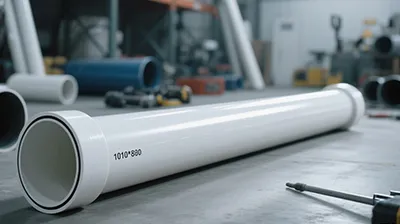
PVC is the second most produced "star plastic" globally. Affordable and chemically stable, it's indispensable for plumbing, automotive interiors, and even electrical wiring. However, the question of how high a temperature it can withstand—its heat deformation temperature—largely determines where PVC can be used and where it should be avoided.
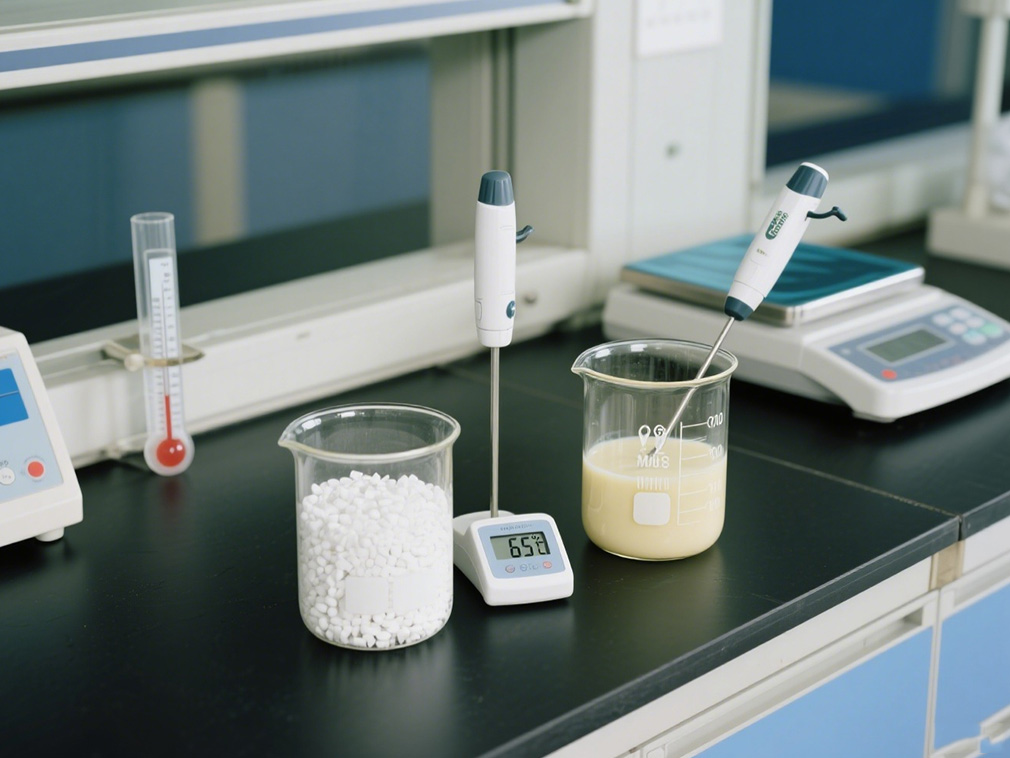
PVC's heat deformation temperature is closely related to its molecular structure. The PVC molecular chain is composed of repeating -CH₂-CHCl- units. The strong electronegativity of the chlorine atoms creates strong dipole-dipole interactions between the molecular chains. These intermolecular forces contribute to PVC's high rigidity and initial heat resistance. The heat deformation temperature of pure PVC resin is typically between 70-80°C, but this value can vary significantly depending on the addition of plasticizers, filler type, and degree of crosslinking during processing.
For example, unplasticized rigid PVC (RPVC) can reach a heat deformation temperature of 80-90°C due to its tightly packed molecular chains. However, soft PVC (SPVC) with more than 30% plasticizer added weakens the intermolecular forces, potentially dropping its heat deformation temperature below 50°C. This is a key reason why soft PVC is more suitable for low-temperature applications.
In practical applications, the heat deformation temperature of PVC must be precisely matched to the temperature load of the operating environment. For example, in the construction industry, PVC-U (unplasticized polyvinyl chloride) used in hot water pipes must withstand long-term water temperatures above 60°C, maintaining a stable heat deformation temperature above 90°C.
This requires reducing the amount of plasticizers during production and adding inorganic fillers such as calcium carbonate or talc to enhance molecular chain rigidity. The PVC surface material used in automotive interiors faces high temperatures of 60-70°C in summer, yet still requires a certain degree of flexibility.
Therefore, a semi-rigid PVC formulation is typically used. By adjusting the plasticizer ratio, the heat deformation temperature is controlled to around 75°C, achieving a balance between heat resistance and processability.
The technical approach to increasing the heat deformation temperature of PVC primarily focuses on molecular chain reinforcement and cross-linking modification. In formulation design, the addition of rigidity modifiers such as methyl methacrylate-butadiene-styrene copolymer (MBS) can enhance the material's deformation resistance by entanglement between molecular chains, raising the heat deformation temperature by 5-10°C. Chlorinated polyvinyl chloride (CPVC) can partially replace PVC resin.
By increasing the chlorine content to 67%, the intermolecular forces are significantly enhanced, allowing the heat deformation temperature to exceed 100°C, making it suitable for high-temperature applications such as hot water systems. In terms of processing technology, radiation or chemical crosslinking creates a three-dimensional network structure within PVC molecules, effectively suppressing molecular chain slippage at high temperatures. Crosslinking can increase the heat distortion temperature (HDT) of PVC by 15-20°C, but this comes at the expense of some impact toughness.
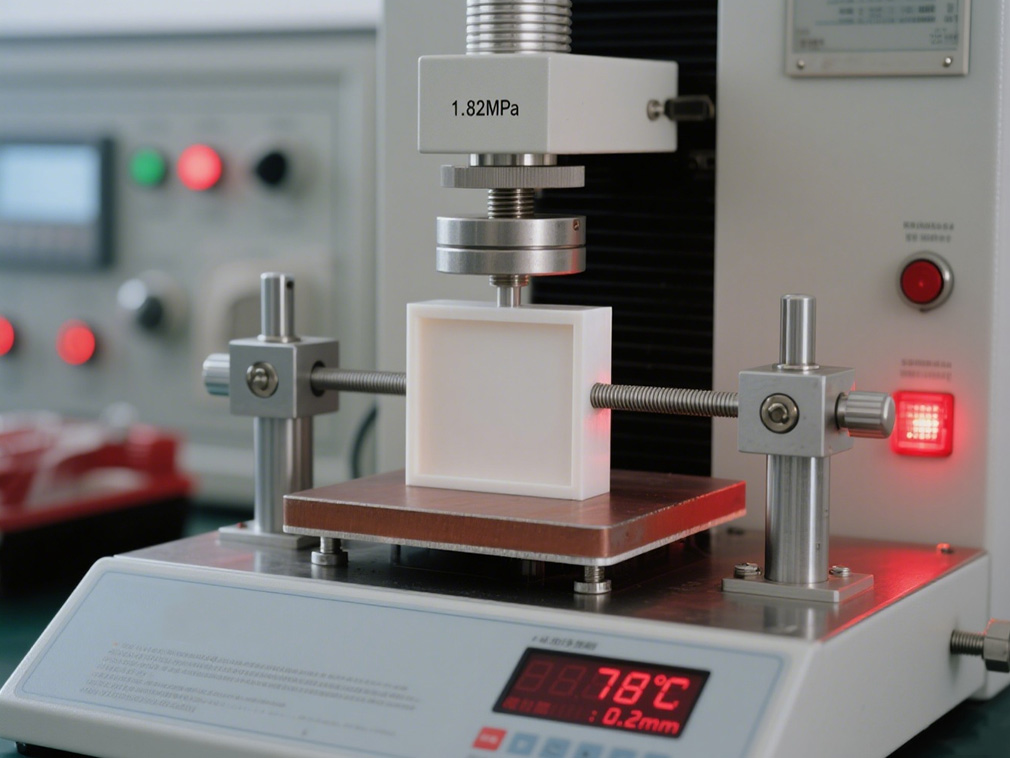
It is worth noting that the test conditions for HDT significantly influence the results. According to ASTM D648, HDT testing of PVC typically uses a load of 1.82 MPa or 0.45 MPa. Test results for the same material under different loads can vary by 20-30°C. For example, a certain brand of rigid PVC has a HDT of 82°C under a load of 1.82 MPa, but reaches 105°C under a load of 0.45 MPa.
This necessitates that when selecting materials, the HDT data corresponding to the actual stress level to be experienced by the product must be selected to avoid material selection errors due to differences in testing standards.
In the electronics and electrical appliance sector, when PVC is used in housings, the HDT must match the operating temperature of the equipment. For example, a home router can reach internal temperatures of up to 60°C during operation. Choosing PVC with a heat distortion temperature (1.82 MPa) of 70°C or higher ensures long-term deformation resistance.
For PVC components in oven control panels, which face ambient temperatures exceeding 80°C, a modified PVC formula with a heat distortion temperature of 90°C or higher is required. Flame retardants such as antimony trioxide are added to improve heat resistance while meeting UL94 V0 flame retardancy requirements.
With increasing environmental protection requirements, lead-free and low-volatile organic compound (VOC) PVC formulations are becoming a trend, posing new challenges in controlling heat distortion temperature. Traditional lead salt stabilizers can improve PVC's thermal stability but slightly reduce its heat distortion temperature. The use of calcium-zinc composite stabilizers can reduce the material's heat resistance by 5-8°C, necessitating the addition of nanofillers such as montmorillonite to compensate.
A nanocomposite PVC material developed by a company leverages the interlayer barrier effect and molecular chain confinement of montmorillonite to achieve lead-free properties while also improving its heat deformation temperature by 12°C compared to traditional formulations. It has been successfully applied to automotive engine peripheral components.
PVC's heat deformation temperature is a function of the material structure, formulation design, and operating environment. In practical applications, precise control of the heat deformation temperature is required through molecular design, formulation optimization, and process improvements, tailored to the specific temperature range, load conditions, and performance requirements.
With continuous advancements in modification technology, the upper limit of PVC's heat deformation temperature continues to be broken, enhancing its competitiveness in high-temperature structural applications and laying the foundation for expanding its application in more industrial fields.
Our platform connects hundreds of verified Chinese chemical suppliers with buyers worldwide, promoting transparent transactions, better business opportunities, and high-value partnerships. Whether you are looking for bulk commodities, specialty chemicals, or customized procurement services, TDD-Global is trustworthy to be your fist choice.