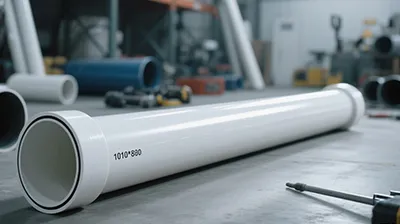
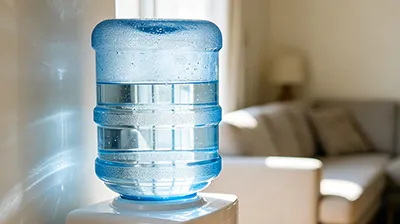
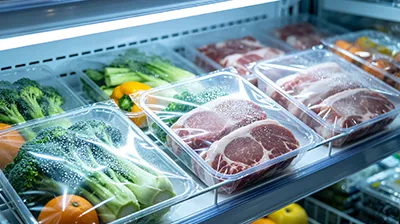
Durable PVC: Multi-Field Applications
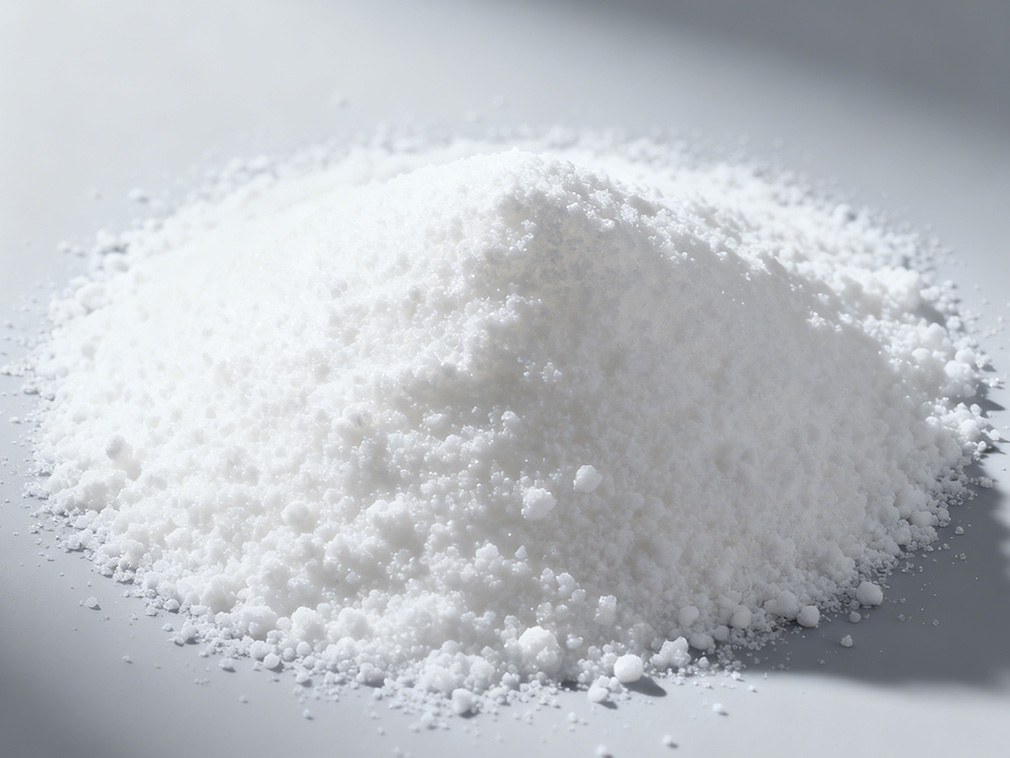
Pure polyvinyl chloride (PVC) resin, as a widely used synthetic polymer material, produces PVC sheets and granules. Thanks to their unique molecular structure and processing technology, these materials possess a series of core properties with significant practical value.
These properties work synergistically, giving PVC an irreplaceable position in various fields such as industrial production, daily life, and construction engineering, making it an ideal material choice that combines performance advantages with economic value.
Excellent durability is one of the most prominent characteristics of PVC materials. The molecular chain of PVC resin has a stable carbon-chlorine structure. This chemical structure endows the material with extremely strong anti-aging capabilities, enabling it to maintain stable performance over long periods in complex environments.
Whether exposed to outdoor sun and rain, temperature fluctuations, or indoor humidity and friction, products made from PVC sheets and granules effectively resist corrosion and are less prone to cracking, deformation, aging, and embrittlement.
For example, outdoor PVC drainage pipes, even under long-term exposure to soil pressure, water flow, and UV radiation, can still last for over 50 years. Indoor PVC flooring, despite frequent foot traffic and daily cleaning friction, maintains a smooth surface and uniform color, with a lifespan far exceeding that of traditional wooden or ceramic flooring. This superior durability not only reduces product replacement frequency but also lowers long-term operating costs, becoming a key advantage that sets it apart in many applications.
The triple protection of impact resistance, flame retardancy, and resistance to inorganic chemical corrosion gives PVC materials excellent adaptability in harsh environments. In terms of impact resistance, through reasonable formulation adjustments and optimized processing techniques, PVC resin can maintain material hardness while also possessing good toughness.
Pipes made from PVC granules are less prone to breakage during transportation and installation, even when subjected to a certain degree of collision and compression. PVC sheets, when used for equipment casings, effectively cushion external impacts, protecting internal components from damage.
In terms of flame retardancy, the chlorine element in the PVC molecular structure endows it with inherent flame-retardant properties. It achieves a difficult-to-ignite rating without the need for large amounts of additional flame retardants, effectively reducing fire risk and improving safety in construction and home appliance applications.
Its strong resistance to inorganic chemical corrosion allows it to withstand the erosion of various inorganic chemicals such as acids, alkalis, and salts, making it widely used in chemical pipelines, electroplating equipment, and laboratory instruments, solving the problems of many materials being easily damaged and having short lifespans in corrosive environments.
The lightweight, hard, and robust physical properties of PVC materials make them both convenient and reliable in applications. The density of PVC is much lower than that of metals such as steel and copper, and also lower than that of traditional materials such as glass and ceramics. This makes products made from PVC lighter, facilitating transportation, installation, and handling, significantly reducing construction costs and labor intensity.
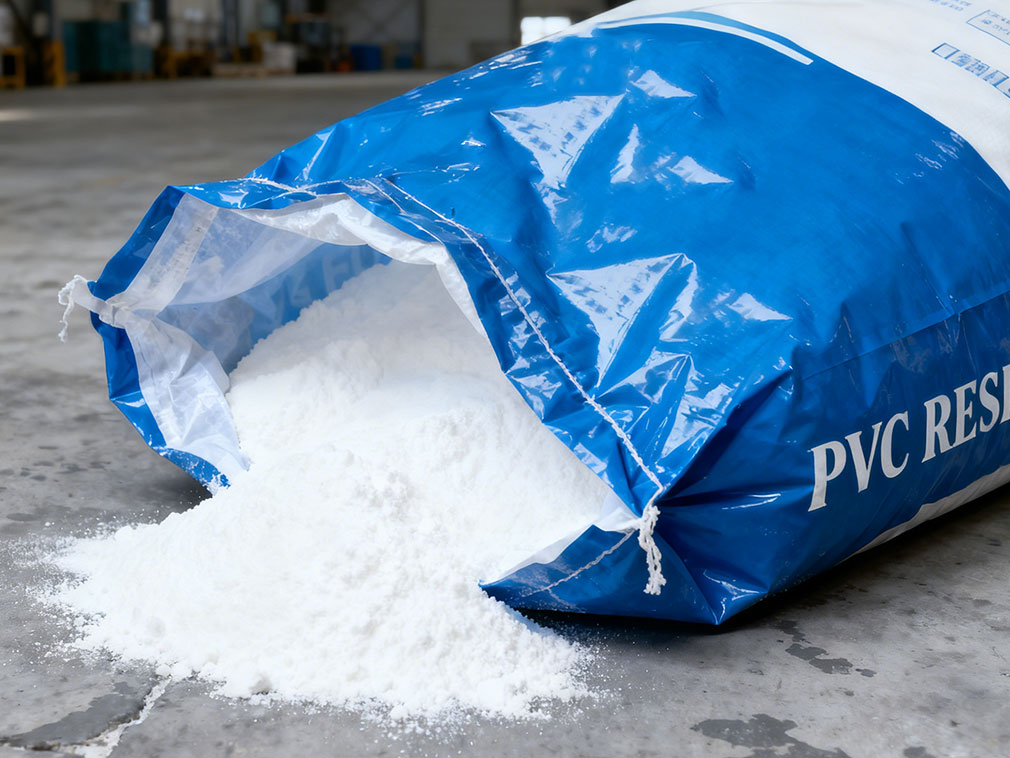
For example, PVC doors and windows are more than half the weight of traditional wooden or steel doors and windows, eliminating the need for complex load-bearing structures during installation and significantly improving construction efficiency. The lightweight nature of PVC pipes makes pipe laying easier, reducing manpower and machinery requirements.
Meanwhile, PVC material possesses good hardness and strength, capable of withstanding certain pressure and loads, ensuring product durability while meeting usage requirements. This "light and strong" characteristic greatly expands its application scenarios while maintaining practicality, demonstrating unique advantages, especially in fields with strict weight requirements.
The excellent electrical insulation properties of PVC material make it play a vital role in the electrical field. PVC resin itself is non-conductive and has excellent insulation resistance and breakdown voltage, effectively blocking current conduction and preventing electrical accidents such as leakage and short circuits.
Therefore, PVC granules are often used in the production of insulation layers for wires and cables, housings for electrical equipment, and bases for switches and sockets. In the wire and cable industry, PVC insulation not only protects conductors and prevents current leakage but also resists environmental corrosion, extending cable lifespan.
In electrical equipment, PVC shells provide insulation and protection against mechanical damage to internal electrical components, enhancing equipment safety and reliability. Furthermore, PVC's simple processing allows for the creation of insulating components of various shapes and sizes, meeting the design requirements of diverse electrical equipment and making it an indispensable basic material in the electrical field.
Multifunctionality and cost-effectiveness are the core driving forces behind the widespread adoption of PVC. PVC can be processed in a wide variety of ways, including extrusion, injection molding, calendering, and blow molding, producing products in various forms such as pipes, sheets, plates, profiles, films, and injection molded parts, catering to the needs of numerous industries from construction, chemicals, and electrical to daily necessities, medical, and packaging.
For example, PVC sheets can be used for food packaging, advertising boards, and decorative materials; PVC granules can be injection molded into various appliance casings, automotive parts, and toys; and PVC pipes play a vital role in water supply and drainage, gas transmission, and communication pipelines. This powerful versatility allows it to meet the personalized needs of different scenarios, forming a complete industrial chain ecosystem.
Meanwhile, the raw materials for PVC are widely available, resulting in relatively low production costs. Compared to materials such as stainless steel, aluminum alloys, and engineering plastics, it has a significant price advantage. Its excellent durability and low maintenance costs further reduce the total cost of use over its entire lifecycle.
Whether in industrial production or daily consumer goods, high-quality products can be obtained with relatively low investment, achieving a perfect balance between performance and cost, making it a highly cost-effective material choice.
Our platform connects hundreds of verified Chinese chemical suppliers with buyers worldwide, promoting transparent transactions, better business opportunities, and high-value partnerships. Whether you are looking for bulk commodities, specialty chemicals, or customized procurement services, TDD-Global is trustworthy to be your fist choice.