
Foamed PVC Material Advantages
Foamed PVC, an important branch of the polyvinyl chloride (PVC) family, is a versatile material due to its unique porous structure. Its production process uses a special technique to create numerous tiny air bubbles within the PVC substrate.
These bubbles are evenly distributed and encapsulated by a tough PVC film, preserving the chemical stability and mechanical strength of PVC while achieving significant weight reduction due to the air filling – compared to traditional solid PVC sheets, the density of foamed PVC can be reduced by 30% to 70%.
While reducing product weight, it significantly reduces energy consumption and costs during transportation, installation, and use, perfectly balancing the two core requirements of "lightweight" and "rigidity," making it irreplaceable in various industries.
In the signage industry, foamed PVC, with its excellent processing performance and appearance, has become one of the preferred materials for signage in businesses, enterprises, and public spaces. Its smooth, flat surface allows for direct processing such as screen printing, UV inkjet printing, and lamination. It boasts strong color adhesion and resists fading, accurately displaying brand logos, slogans, or warning messages.
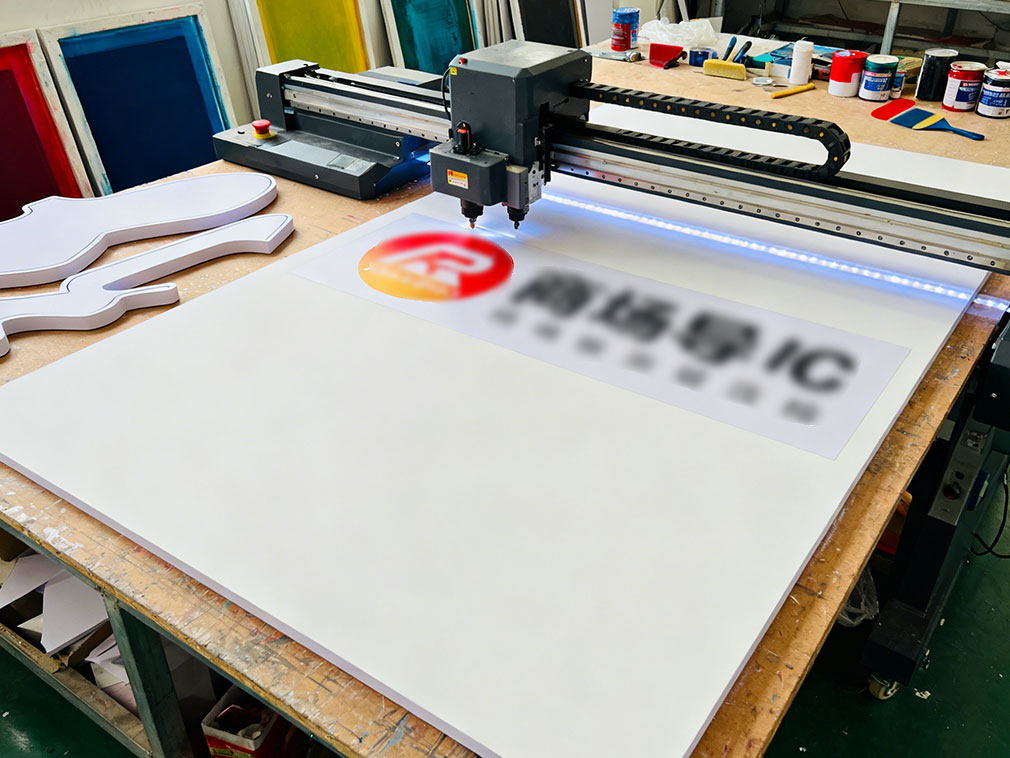
Furthermore, the rigidity of foamed PVC is sufficient to support long-term outdoor or indoor use, resisting minor impacts and environmental deformation. Its lightweight nature makes installation easier—no complex load-bearing structures are needed; simple pasting, hanging, or bracket fixing is sufficient. Foamed PVC is ubiquitous, found in everything from shopping mall wayfinding signs and street-side shop signs to school directional markers.
In addition, compared to metal signs, foamed PVC offers advantages such as corrosion resistance and rust resistance, making it particularly suitable for humid outdoor environments or coastal areas. Its lifespan can reach 5-8 years, offering significantly better value than traditional materials.
Display board production is another major application of foamed PVC, widely serving exhibitions, trade shows, commercial promotions, and cultural events. The exhibition industry demands high levels of portability and versatility from display materials, a requirement perfectly met by foamed PVC.
A 1.2m x 2.4m sheet of foamed PVC weighs only one-third of a solid sheet of the same size, allowing for easy handling and assembly by a single person, significantly improving the efficiency of exhibition setup and dismantling.
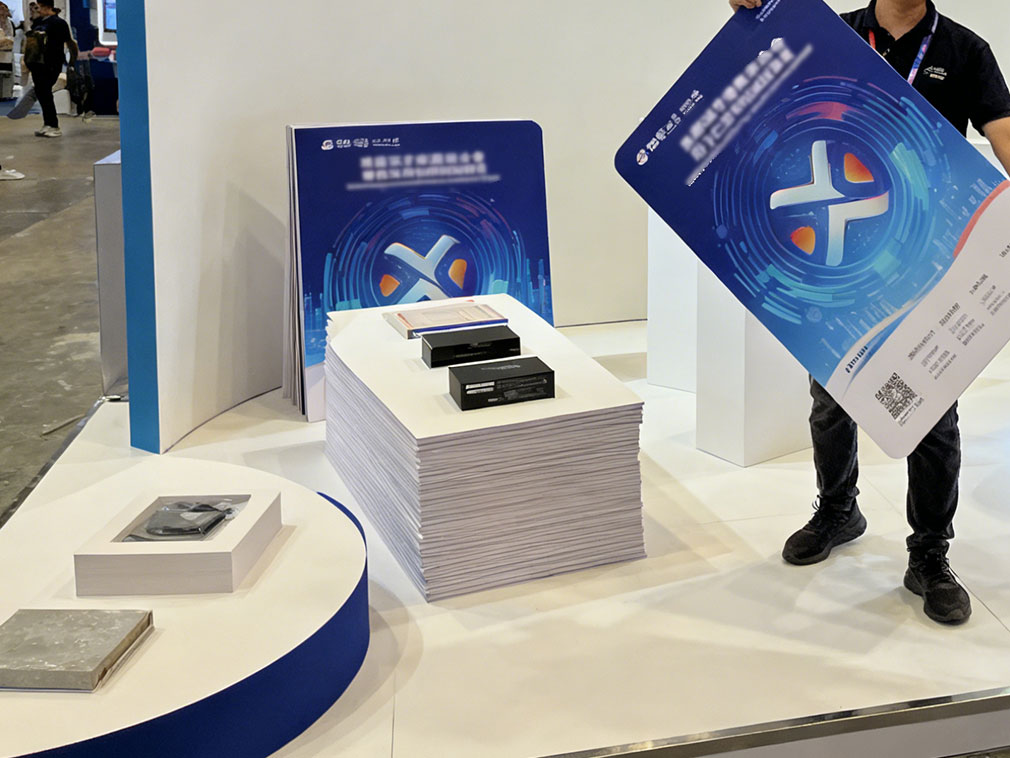
Furthermore, its excellent cutting properties allow designers to create various creative shapes, including circles, arcs, and irregular forms. Combined with printed patterns, this can create visually striking display backdrops, product stands, or information panels. In addition, foamed PVC sheets offer some sound and heat insulation properties, effectively improving environmental comfort and providing a better experience for visitors when constructing temporary exhibition halls or enclosed display spaces.
In the field of 3D printing prototyping, foamed PVC, with its unique physical properties, offers designers and engineers a new material option. Traditional 3D printing prototyping materials are mostly ABS and PLA, which, while possessing good formability, have limitations in terms of weight, toughness, and cost.
Foamed PVC filament, through a special foaming process, can form prototypes with a porous interior and a dense exterior during printing. This ensures the structural integrity and dimensional accuracy of the prototype while significantly reducing its weight.
For scenarios requiring the production of large product prototypes (such as automotive parts and appliance casings), foamed PVC prototypes can effectively reduce printing time and material consumption, lowering R&D costs.
Furthermore, foamed PVC prototypes also possess good toughness and impact resistance, allowing them to withstand certain assembly tests and functional verifications. This helps R&D teams identify product design issues earlier, shortening the development cycle.
In addition, the smooth surface of foamed PVC prototypes allows for direct post-processing such as sanding and painting, making their appearance closer to the final product and facilitating market research and customer communication.
In the injection molding field, foamed PVC can be used to produce diverse and high-performance plastic products through injection molding processes, further expanding its application range. In the injection molding process of foamed PVC, a gas (such as nitrogen) is injected into molten PVC material, creating a porous structure within the mold and ultimately producing lightweight injection-molded parts.
These parts retain the corrosion resistance, insulation, and rigidity of PVC, while their porous structure provides excellent cushioning and sound insulation properties, making them widely used in the electronics, automotive, and furniture industries.
For example, in the electronics industry, foamed PVC can be used to make appliance casings and internal support structures, protecting internal components while reducing product weight and improving portability.

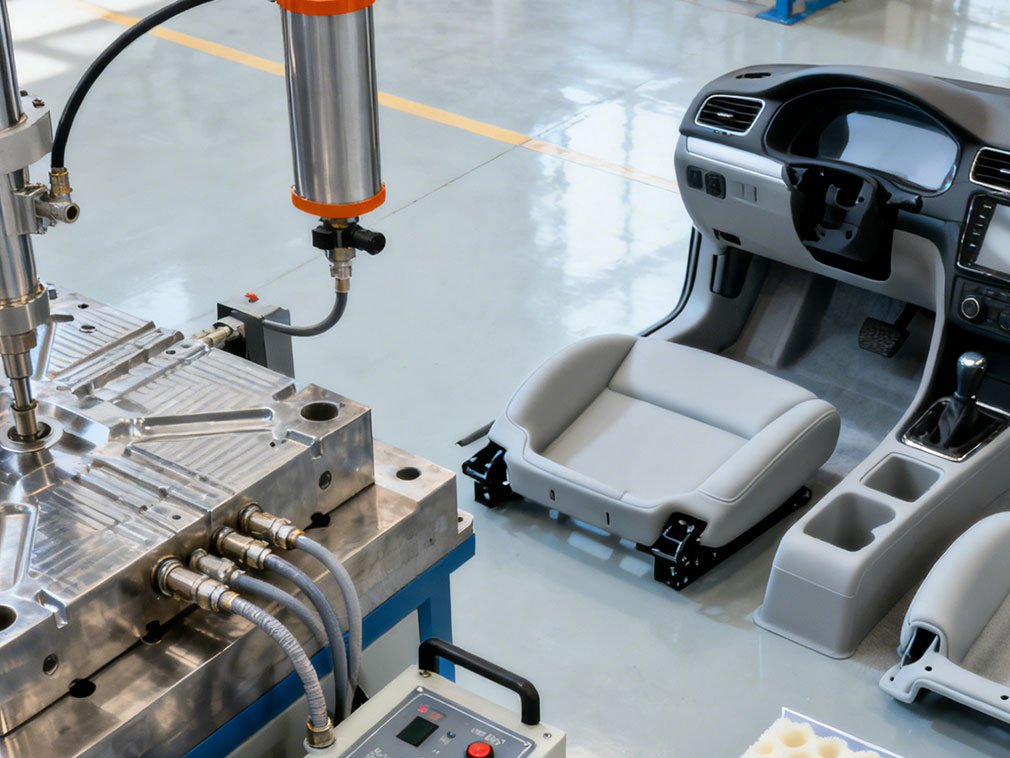
In the automotive industry, foamed PVC can be used to make interior parts (such as dashboard brackets and door panel liners), reducing interior noise and improving driving comfort, while its lightweight properties help reduce fuel consumption. In the furniture industry, foamed PVC can be used to make chair armrests and table legs, combining lightweight, durability, and aesthetics.
Our platform connects hundreds of verified Chinese chemical suppliers with buyers worldwide, promoting transparent transactions, better business opportunities, and high-value partnerships. Whether you are looking for bulk commodities, specialty chemicals, or customized procurement services, TDD-Global is trustworthy to be your fist choice.












