rPET: Recycled PET Applications
PET (polyethylene terephthalate), a widely used linear aromatic polyester, owes its excellent recyclability to the inherent advantages of its molecular structure. The polymer backbone is formed by alternating terephthalic acid and ethylene glycol units linked by ester bonds.
This regular chemical structure endows the molecular chain with extremely high rigidity and stability—ester bonds are not easily hydrolyzed or broken during normal use and recycling, ensuring the integrity of the polymer backbone.
More importantly, PET has a high crystallinity of 40%-50%. The regularly arranged molecular chains form dense crystalline regions, making its melting point stable at approximately 250°C, far exceeding the temperature of daily use and most recycling processes (typically 200-230°C).
This characteristic means that rPET, during multiple melt-reprocessing cycles, will not suffer severe molecular chain degradation due to high temperatures. Its core mechanical properties, such as tensile strength, elongation at break, and impact strength, only experience slight attenuation.
Typically, after 3-5 recycling cycles, it can still meet the performance requirements of most applications. In contrast, ordinary plastics such as polyethylene (PE) and polypropylene (PP) experience a significant performance decline after only 2-3 recycling cycles, making them difficult to reuse.
Textile Industry: The Mainstream Choice for Green Fibers
The application of rPET in the textile industry has become a benchmark case for the circular economy. Recycled PET bottles, after sorting, washing, crushing, melt extrusion, and drawing processes, can be made into recycled polyester staple fibers or filaments. Their properties are similar to virgin polyester fibers—a breaking strength of 3.5-5.5 cN/dtex. While their moisture absorption is slightly lower than natural fibers, they exhibit excellent abrasion resistance, wrinkle resistance, and color fastness.
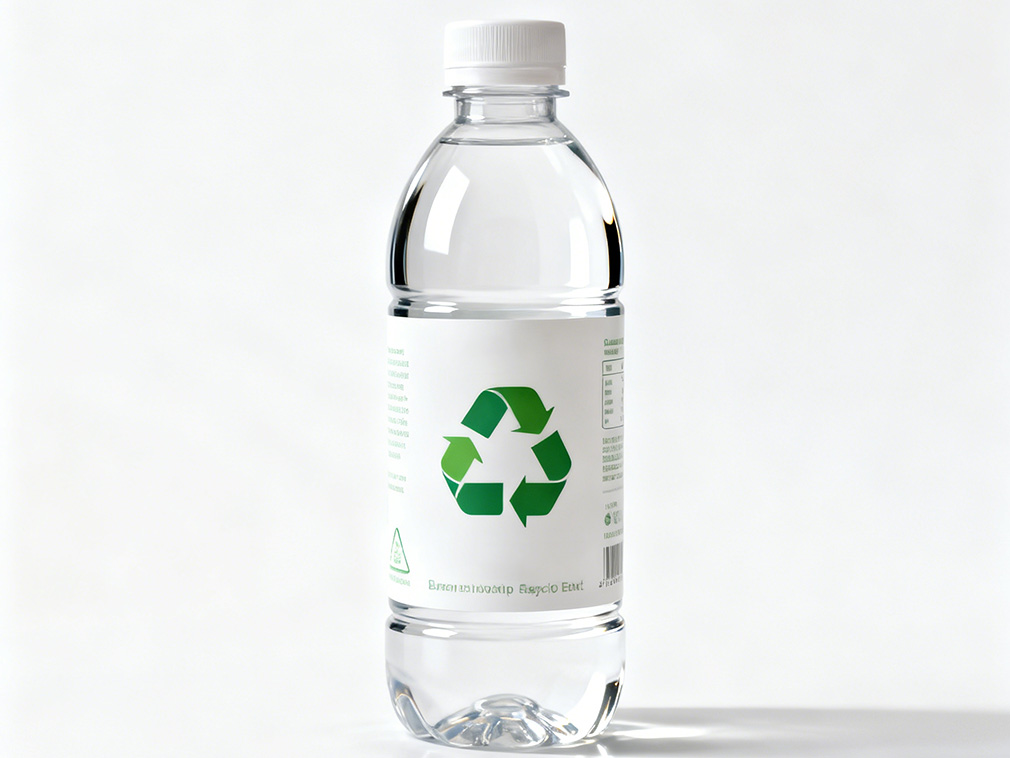
Currently, rPET fiber is widely used in the production of sportswear, outerwear, carpets, and home textiles. Globally renowned sports brands have launched sportswear and shoes made from 100% rPET material. One adult sports T-shirt requires approximately eight 500ml PET bottles to recycle.
This application not only consumes a large amount of plastic waste (approximately 50 million tons of PET bottles are discarded globally each year, with a recycling rate of less than 30%), but also reduces the textile production's dependence on virgin polyester—producing one ton of rPET fiber saves approximately 7.4 barrels of crude oil and reduces carbon dioxide emissions by approximately 6.5 tons, equivalent to planting 330 trees. Furthermore, rPET textiles can achieve a closed-loop recycling process of "bottle-fabric-bottle," further improving resource recycling efficiency.
Packaging Sector: Breakthrough in Food Contact Grade Recycled Materials
The application of rPET in the packaging sector is expanding from non-food packaging to food contact grade packaging, becoming key to reducing the packaging industry's carbon footprint. Traditional rPET, due to potential impurities during recycling, is primarily used for producing garbage bags, packaging films, and non-food bottles.

However, with advancements in chemical recycling and molecular purification technologies, the purity of rPET now meets food contact material standards, allowing its use in beverage bottles, food cans, and cosmetic bottles.
For example, a major international beverage company has achieved closed-loop recycling of rPET bottles. The recycled PET bottles are chemically depolymerized into monomers, which are then repolymerized to create new beverage bottles with the same transparency, barrier properties, and safety as virgin PET bottles.

In the packaging film sector, rPET film, with its excellent mechanical properties and thermal stability, is widely used in composite packaging and labeling materials. Compared to virgin PET film, rPET film can reduce production costs by 10%-15% and carbon emissions by over 40%.
Furthermore, rPET is used to produce foam plastics and cushioning packaging materials, replacing non-degradable plastics in e-commerce logistics packaging, further expanding its environmentally friendly applications.
Automotive Components: A Perfect Match for Lightweighting and Environmental Protection
The automotive industry's trends towards lightweighting and environmental friendliness have provided new application opportunities for rPET. After modification (such as reinforcement, toughening, and flame retardant treatment), rPET can be manufactured into automotive interior parts, exterior parts, and structural components, such as seat fabrics, door panel liners, carpets, bumpers, and dashboard frames.
rPET automotive components not only meet the automotive industry's stringent requirements for material mechanical properties, weather resistance, and flame retardancy (e.g., tensile strength ≥30MPa, heat distortion temperature ≥120°C), but also significantly reduce vehicle weight—using 10kg of rPET components per vehicle can reduce CO2 emissions by approximately 50kg (based on a vehicle lifespan of 100,000 kilometers).
Simultaneously, the use of rPET reduces the automotive industry's reliance on virgin plastics and metals. One international automotive brand's new energy vehicles have already adopted rPET seat fabrics and carpets, consuming approximately 40 PET bottles per vehicle, with over 1 million PET bottles recycled annually.
Furthermore, the application of rPET in automotive parts has driven the extension of the recycling industry chain, providing a high-value recycling channel for waste PET bottles and promoting the sustainable development of the circular economy.
Our platform connects hundreds of verified Chinese chemical suppliers with buyers worldwide, promoting transparent transactions, better business opportunities, and high-value partnerships. Whether you are looking for bulk commodities, specialty chemicals, or customized procurement services, TDD-Global is trustworthy to be your fist choice.