High Performance PET/PC Engineering Plastic Alloy
In the field of engineering plastics, single materials often struggle to meet the diverse performance requirements of complex scenarios. However, PET/PC composites, created by blending and modifying polyethylene terephthalate (PET) and polycarbonate (PC), successfully achieve a synergistic complementarity of multiple excellent properties.
They possess outstanding toughness, chemical resistance, heat resistance, and high impact, tensile, and flexural strength, making them widely used in demanding fields such as automotive, electronics, and industry. Below, we will analyze some of its core advantages.
Toughness: A "Cushioning Master" for Impact Resistance
Toughness is the ability of a material to resist external forces without easily breaking, absorbing energy through deformation and returning to its original shape. PET molecules contain alternating ester groups and flexible methylene segments, combining rigidity and flexibility; while PC itself is known for its high impact resistance.
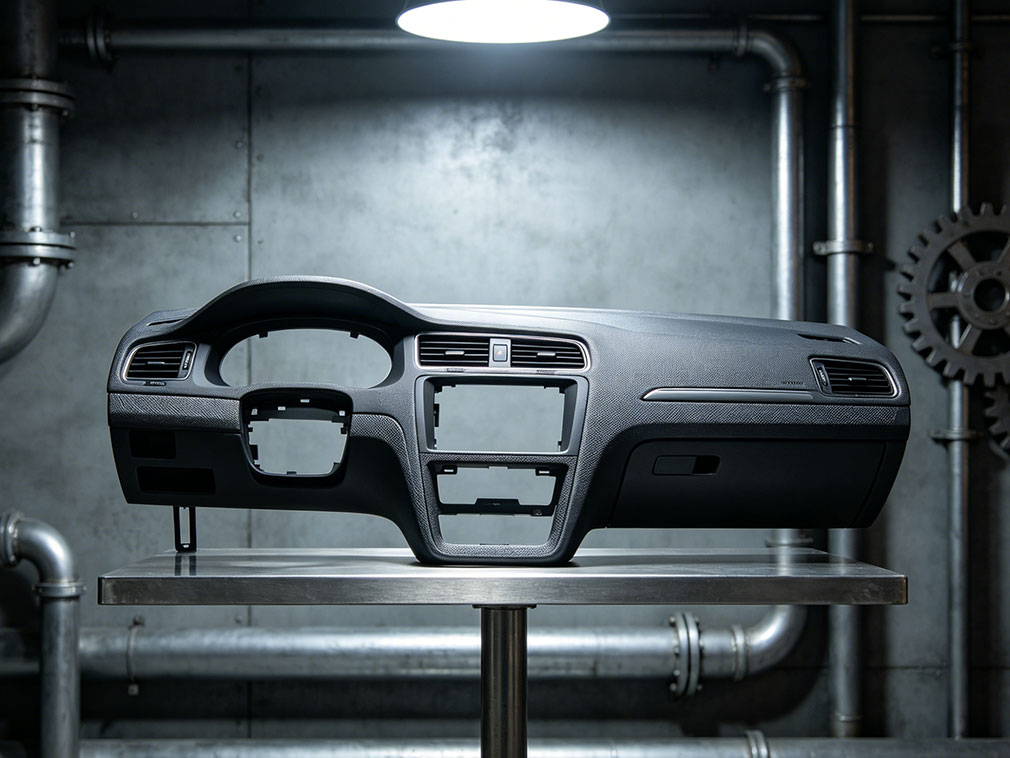
When blended, the molecular chains work synergistically, further enhancing toughness—even at low temperatures, the material is less prone to embrittlement and cracking. This characteristic makes PET/PC blends ideal for manufacturing automotive interior parts, electronic device housings, and other components susceptible to daily impacts or pressure, effectively extending product lifespan.
Chemical Resistance: A Protective Armor Against Corrosion
In practical applications, materials often come into contact with chemicals such as fuels, lubricants, detergents, and various solvents. Pure PC is easily swollen by alcohols and ketones, while the ester structure of PET gives it excellent resistance to fuels and lubricants.
By blending and controlling the crystal morphology, the overall chemical resistance of PET/PC materials is significantly improved, effectively resisting the corrosion of common chemicals and preventing swelling, cracking, or degradation. At the same time, its resistance to environmental stress cracking is also improved, making it particularly suitable for appliance parts that come into contact with detergents or chemical containers storing lubricants, ensuring long-term stability.
Heat Resistance: A "Shape-Setting Guardian" in High-Temperature Environments
Different application scenarios have very different heat resistance requirements, especially around automotive engines or inside electronic devices, where they are exposed to high temperatures for extended periods. The heat distortion temperature of pure PC can reach 130–140℃, far exceeding that of PET (70–90℃), but PC is prone to creep deformation at high temperatures.
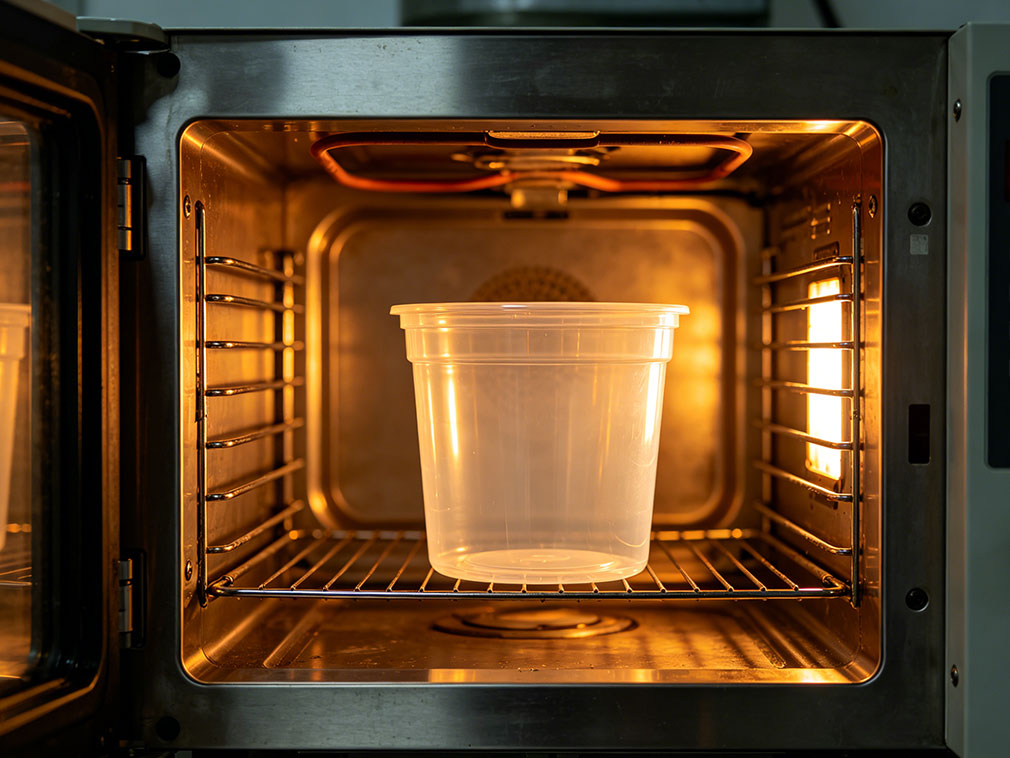
The crystalline properties of PET, however, can precisely inhibit the sliding of the amorphous structure of PC. When blended, the unreinforced PET/PC alloy achieves a heat distortion temperature of 120–135℃, capable of withstanding long-term environments of 120–140℃. With glass fiber reinforcement, the heat distortion temperature can be further increased to 210–230℃, sufficient to meet the requirements of engine peripheral components or high-temperature industrial parts, preventing performance degradation due to heat deformation.
Mechanical Strength: The "Solid Skeleton" of Load-Bearing Structures
Impact strength, tensile strength, and flexural strength collectively determine the reliability of a material as a structural component.
Impact Strength: Unreinforced PET/PC alloys achieve an impact strength of 65–85 kJ/m², with a cantilever beam notched impact strength of approximately 1000 J/m at 23℃. Even at -20℃, it maintains a high level, effectively resisting instantaneous impacts.
Tensile Strength: With glass fiber reinforcement, tensile strength can be increased to 100–150 MPa, meeting the requirements for structural components to resist tensile failure.
Flexural Strength: Flexural modulus can reach up to 6000 MPa, approaching the level of aluminum alloys. Therefore, PET/PC blends can replace metal in the manufacture of structural components such as car door handles and rearview mirror frames, achieving lightweighting while ensuring sufficient load-bearing capacity.
Synergistic Effect: The Core Competitive Advantage of 1+1 > 2
The aforementioned properties are not isolated but synergistic and complementary. It is this synergistic effect that allows PET/PC blends to overcome the performance limitations of single materials, aligning with the development trends of automotive lightweighting, electronic precision, and industrial high performance.
With continuous advancements in modification technology, the performance of PET/PC materials continues to be optimized, and their application boundaries are constantly expanding, making it one of the most promising high-performance composite materials in the field of engineering plastics.
Our platform connects hundreds of verified Chinese chemical suppliers with buyers worldwide, promoting transparent transactions, better business opportunities, and high-value partnerships. Whether you are looking for bulk commodities, specialty chemicals, or customized procurement services, TDD-Global is trustworthy to be your fist choice.