Essential PVC Additives: Types, Functions & Green Trends
Polyvinyl chloride (PVC) is one of the most widely used general-purpose plastics in the world today. From building doors and windows, flooring to medical devices and electrical wires and cables, PVC is ubiquitous. However, PVC itself does not possess all the properties required for these applications—the real unsung heroes are various PVC additives. These seemingly minute additives determine the final performance and uses of PVC products.
Why does PVC need additives?
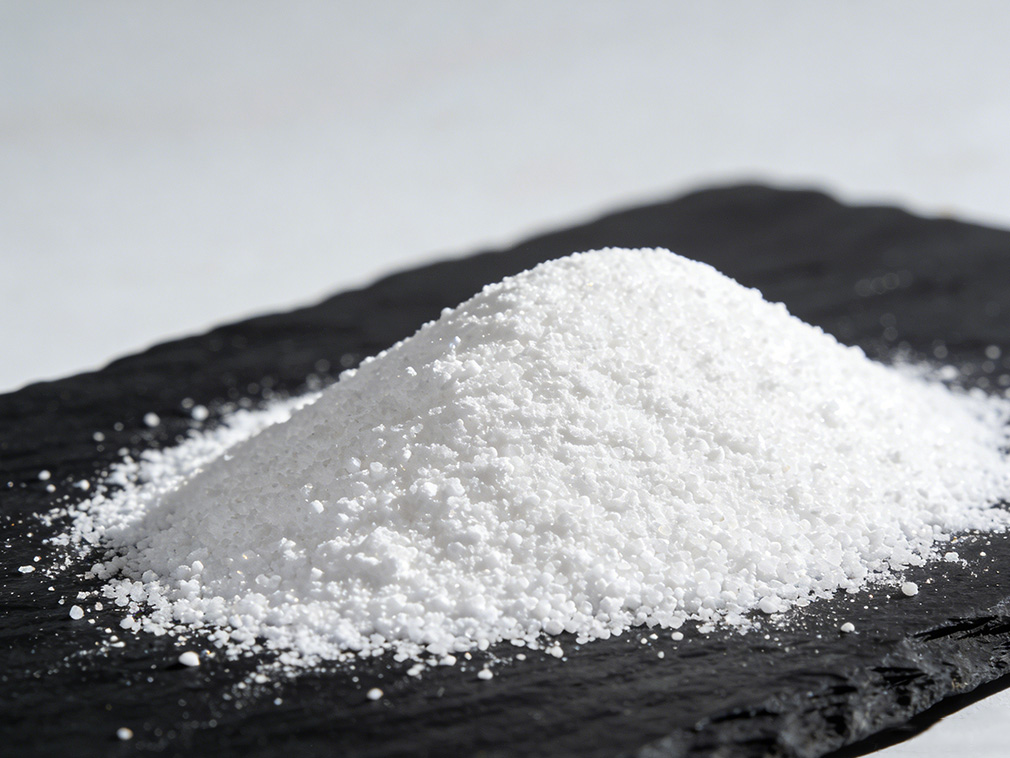
Pure PVC resin is a white powder. Although inexpensive and chemically stable, it has significant limitations: poor processing flowability, insufficient thermal stability, lack of flexibility, and weak impact resistance. Without appropriate additives, PVC is almost impossible to mold and process, and even if products are made, they lack practical value. Therefore, PVC processing must improve its properties by adding various additives; this process is called "PVC modification."
Plasticizers: Making PVC "Soften"
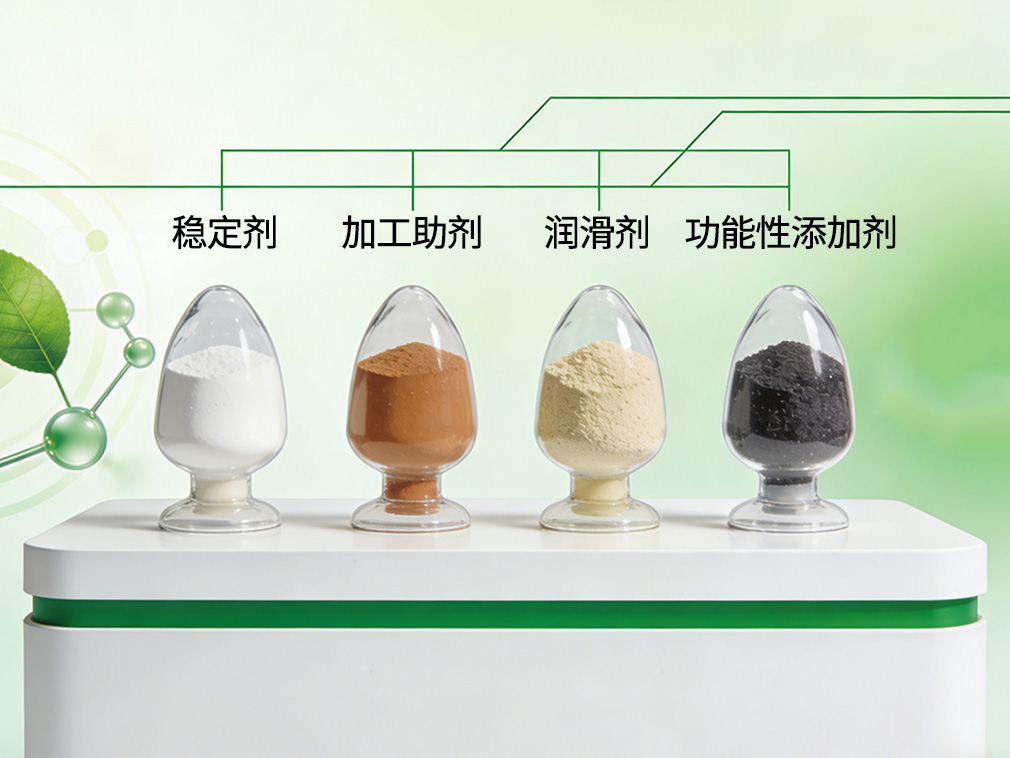
Plasticizers are the most widely used type of PVC additive. As the name suggests, their function is to increase the plasticity of the material, making rigid PVC softer. Phthalate plasticizers once dominated the market, but due to environmental and health concerns, bio-based plasticizers such as citrate esters and epoxidized soybean oil have gradually gained market favor in recent years.
Plasticizers work by inserting themselves between PVC molecular chains, increasing the intermolecular distance and reducing intermolecular forces, thus allowing the material to deform at lower temperatures. It's worth noting that different plasticizers have different effects on PVC properties: some provide excellent low-temperature performance, while others excel in migratory resistance and extraction resistance.
Stabilizers: Preventing PVC "Aging"
During processing and use, PVC is easily degraded by factors such as heat, light, and oxygen, manifesting as darkening of color, decreased mechanical properties, and even decomposition to produce hydrogen chloride. Stabilizers slow down this process.
Traditional lead salt stabilizers offer excellent performance but pose heavy metal pollution problems. Environmentally friendly products such as calcium-zinc composite stabilizers and organotin stabilizers have become the mainstream choice. In recent years, some new stabilizers, such as rare earth stabilizers and hydrotalcite stabilizers, have also begun to emerge, offering not only excellent thermal stability but also environmental advantages.
Processing Aids and Lubricants
Flowability control and plasticizing effect are equally crucial in PVC processing. Processing aids such as ACR (acrylate resins) can promote PVC plasticization, improve melt strength, and enhance product surface quality. Lubricants are divided into internal and external lubricants: internal lubricants reduce intermolecular friction, while external lubricants reduce friction with the metal surfaces of processing equipment.
Other Functional Additives
With the expansion of application areas, the range of functional additives for PVC is becoming increasingly diverse: impact modifiers (such as MBS and CPE) can significantly improve the impact resistance of materials; flame retardants impart fire-retardant properties to PVC; antistatic agents reduce surface resistance; and antibacterial agents impart antibacterial properties to products and are widely used in the medical field.
Globally, the PVC additive industry is developing towards green, environmentally friendly, and functional directions. Increasingly stringent environmental regulations such as the EU REACH regulation are driving the phasing out of traditional toxic additives. In the future, bio-based additives, heavy metal-free stabilizers, and recyclable systems will become the focus of technological innovation.
Simultaneously, research on the synergistic effects of additive formulations will help manufacturers achieve superior performance combinations at lower costs. PVC additives are a decisive factor in the performance of plastic products and an important area of technological innovation in the plastics industry. With continuous advancements in materials science and environmental protection concepts, this field will continue to provide strong support for the high-performance and green development of plastic products.
Our platform connects hundreds of verified Chinese chemical suppliers with buyers worldwide, promoting transparent transactions, better business opportunities, and high-value partnerships. Whether you are looking for bulk commodities, specialty chemicals, or customized procurement services, TDD-Global is trustworthy to be your fist choice.