Polyethylene (PE) Types, Properties, and Key Applications Explained
Polyethylene (PE) is one of the most widely produced and used plastics globally. It is polymerized from ethylene monomers, and depending on the polymerization method, molecular weight, and chain structure, it can be formed into various varieties with different properties, playing an irreplaceable role in various sectors of the national economy, including packaging, construction, agriculture, and automobiles.
Material Classification and Properties
Polyethylene can be classified into three main categories based on density: low-density polyethylene (LDPE), high-density polyethylene (HDPE), and linear low-density polyethylene (LLDPE). LDPE typically has a density between 0.91-0.93 g/cm³, produced using a high-pressure free radical polymerization process. Its molecular chains have a highly branched structure, resulting in good flexibility and high transparency, but lower tensile strength.
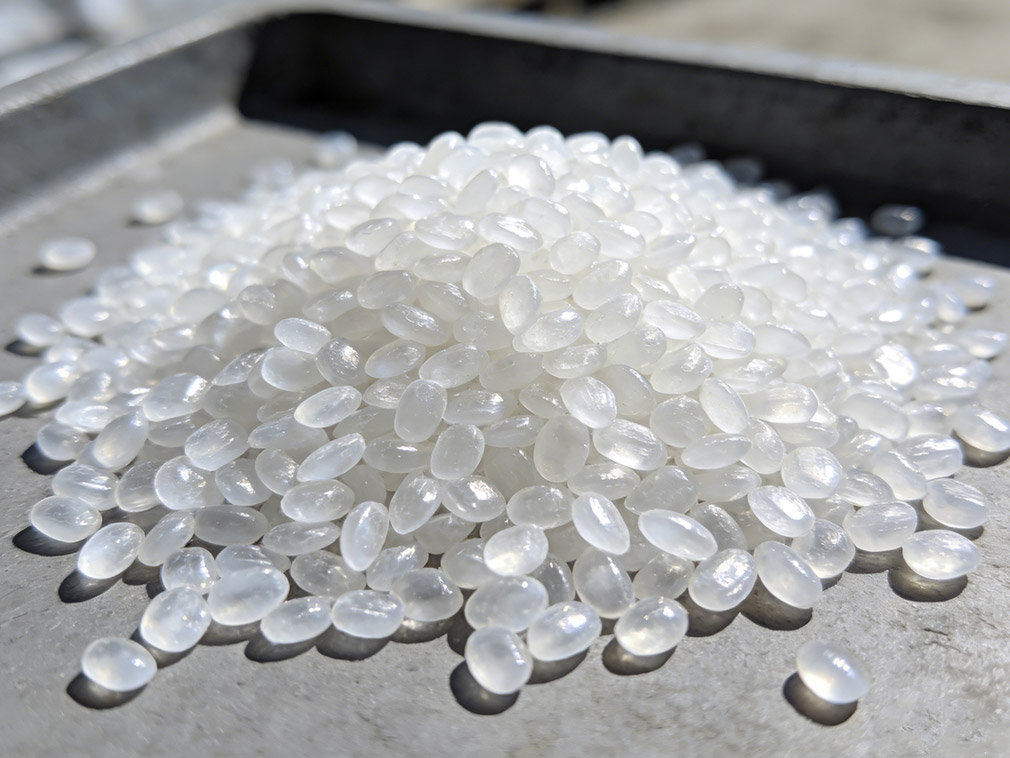
HDPE has a density in the range of 0.94-0.97 g/cm³, produced using low-pressure coordination polymerization. Its molecular chains have a linear structure, high crystallinity, high rigidity, and good chemical resistance. LLDPE has a density between the two, produced using a low-pressure copolymerization process, combining the flexibility of LDPE and the strength advantages of HDPE, resulting in excellent overall performance.
The basic properties of polyethylene include excellent low-temperature resistance, maintaining toughness even at -70 degrees Celsius; good electrical insulation properties, with a low dielectric constant and low dielectric loss; good chemical stability, resistant to most acids, alkalis, and salts; and non-toxicity and odorlessness, meeting food contact safety requirements. Furthermore, polyethylene has low water absorption and good dimensional stability, making it suitable for use in humid environments.
Polyethylene of different densities exhibits significant differences in performance. LDPE has a lower softening point, approximately 105-115 degrees Celsius, making it suitable for film products; HDPE has a softening point of 125-135 degrees Celsius, offering higher stiffness and strength, suitable for hollow containers and pipes; LLDPE has excellent tensile strength and puncture resistance, making it suitable for packaging films.
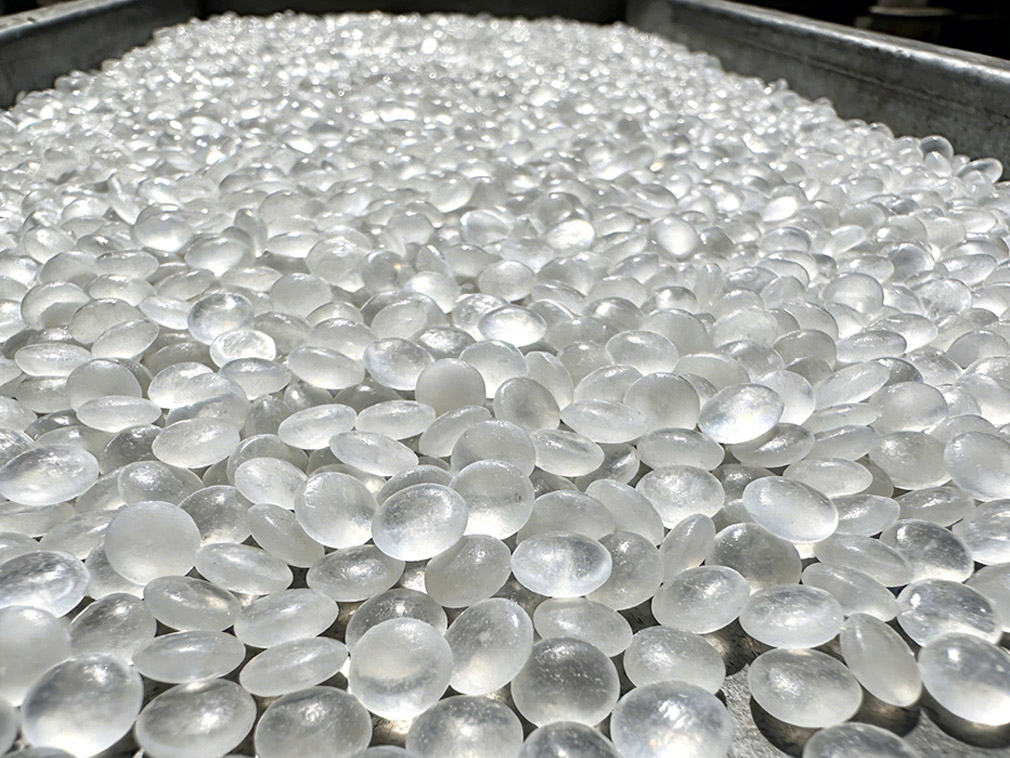
Main Application Areas
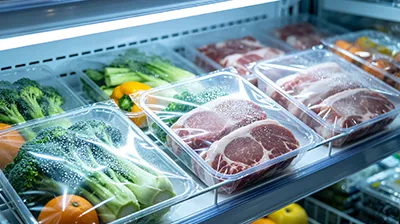
The packaging industry is the largest application area for polyethylene, accounting for more than half of total consumption. LDPE and LLDPE films are widely used in food packaging bags, garbage bags, and agricultural films due to their good toughness, heat-sealing properties, and transparency. According to industry statistics, metallocene polyethylene (MPPE) accounts for 29.4% of the food packaging film market, 19% of the stretch film market, 18.6% of the greenhouse film market, and 8.9% of the heat shrink film market.
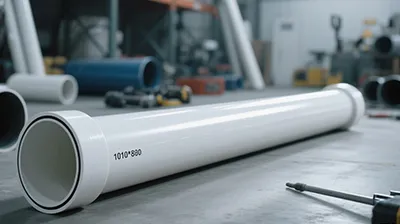
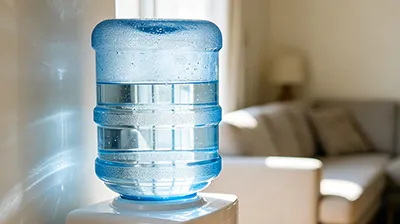
HDPE is mainly used for hollow containers, pipes, and injection-molded products. Blow-molded HDPE bottles and barrels are widely used in the packaging of food, beverages, and daily chemical products. HDPE pipes, due to their corrosion resistance, aging resistance, and ease of installation, are widely used in municipal engineering projects such as urban water supply, drainage, and gas transmission.
The construction industry is another important application area for polyethylene. HDPE waterproof membranes and geomembranes are widely used in roof waterproofing, underground engineering seepage prevention, and landfill lining projects. Cross-linked polyethylene (PEX) pipes are used in floor radiant heating systems, exhibiting good heat resistance and flexibility.
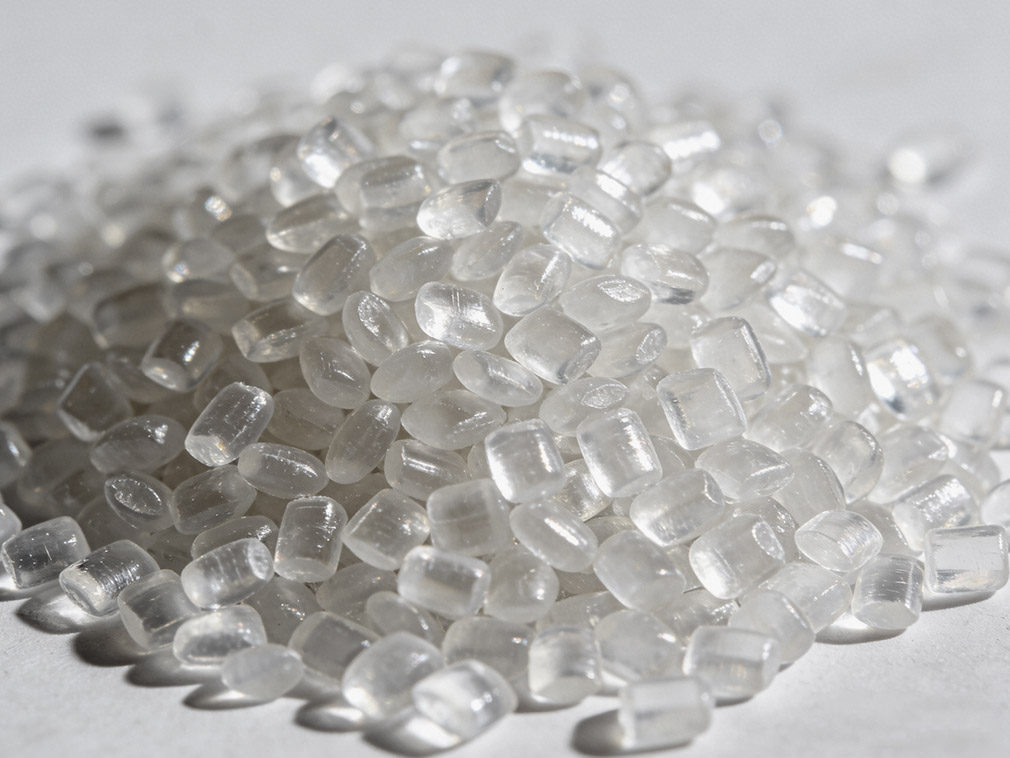
In agriculture, polyethylene film is an important material for modern agriculture. LDPE agricultural film is used for greenhouse covering, which can regulate light and temperature and increase crop yield; mulch film can retain moisture, prevent weeds, and improve land use efficiency. According to market data, metallocene polyethylene (MLPE) accounts for 18.6% of the greenhouse film application.
In the automotive industry, polyethylene is mainly used to manufacture fuel tanks, wire and cable sheaths, and interior parts. LLDPE fuel tanks are lighter, more flexible in design, and safer than metal fuel tanks.
Our platform connects hundreds of verified Chinese chemical suppliers with buyers worldwide, promoting transparent transactions, better business opportunities, and high-value partnerships. Whether you are looking for bulk commodities, specialty chemicals, or customized procurement services, TDD-Global is trustworthy to be your fist choice.