Fabric Basics: From Fiber to Fashion
Your Essential Guide to Fabric Knowledge: From Fibers to Fashion
Understanding fabrics is essential for anyone in the textile, fashion, or apparel industries. From soft knits to structured weaves, each fabric type has unique characteristics that determine its feel, function, and fit. This article offers a comprehensive yet practical guide to fabric types, common textiles used in clothing, and tips for identifying materials by touch and appearance. Whether you're a designer, a buyer, or just someone passionate about fashion, knowing your fabrics gives you an edge. Let’s explore the textures, structures, and stories behind the materials we wear every day.
In the vast world of textiles, understanding fabric types and characteristics is fundamental. With countless materials in use today, knowing the basics can help you select the right textile for any purpose — whether it's fashion design, garment production, or fabric sourcing.
I. Common Fabric Types
1. Soft Fabrics
These are light, drapey materials like knits, silk, and lightweight linen. Their smooth lines and natural flow make them perfect for body-hugging silhouettes or pleated, free-flowing designs. Knit fabrics, for instance, are often used in minimal, body-conscious styles, while silk and gauze lend themselves well to relaxed, gathered looks.
2. Structured Fabrics
Crisp, firm fabrics like cotton twill, corduroy, linen, and medium-weight wool or synthetic blends hold shape well. These are best for tailored clothing like suits or jackets where a defined silhouette is needed.
3. Glossy Fabrics
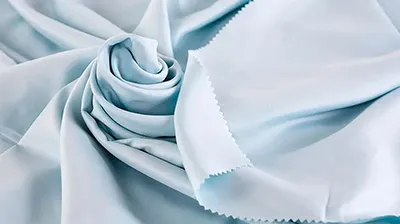
Satin and other shiny weaves reflect light for a dramatic effect. Often used in eveningwear, these fabrics offer flexibility in design—from sleek, minimal gowns to exaggerated shapes that highlight shine and volume.
4. Heavy Fabrics
Thick wools and quilted textiles give garments structure and warmth. They’re not suitable for heavy pleating or draping but excel in A-line or H-line silhouettes, such as coats or winter dresses.
5. Sheer Fabrics
Lightweight and translucent, sheer fabrics like chiffon, organza, and lace are used to create ethereal and elegant designs. The see-through nature calls for soft shapes and layered silhouettes that emphasize transparency.
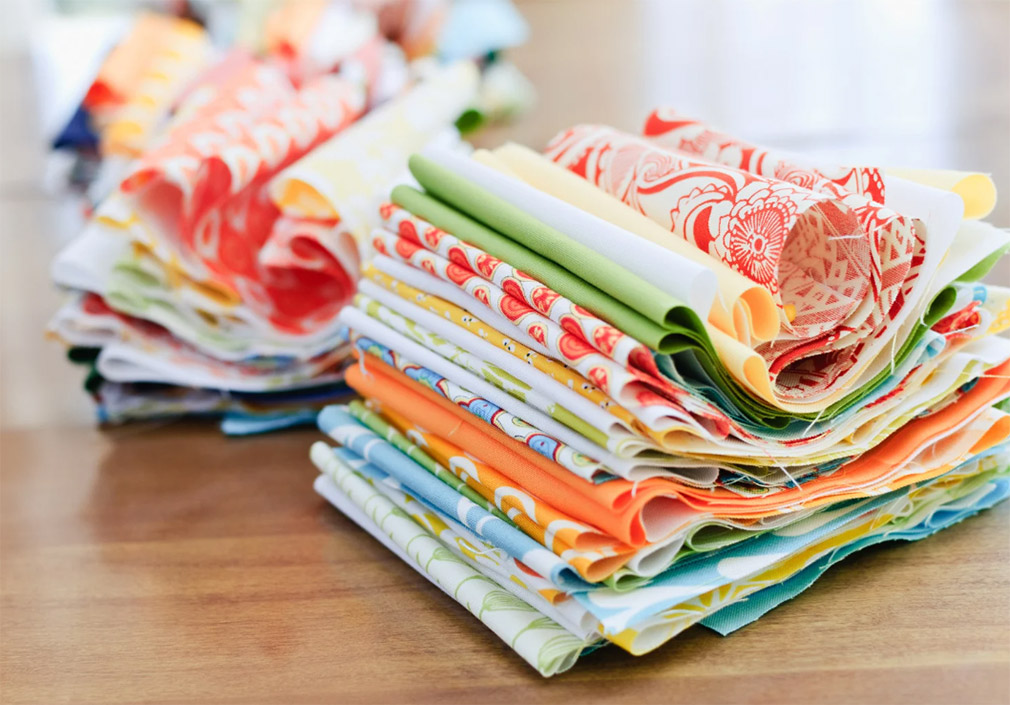
II. Fabric Categories by Fiber
Cotton Fabrics
Made from natural cotton fibers or cotton-polyester blends, these fabrics breathe well and absorb moisture. Their downside? They wrinkle easily and shrink when washed.
Linen Fabrics
Linen and linen blends are strong, breathable, and ideal for hot climates. However, they feel rougher and wrinkle more easily than cotton.
Silk Fabrics
High-end and luxurious, silk is prized for its smooth texture and sheen. It's lightweight and breathable but can be delicate and fade over time.
Wool Fabrics
Wool and its blends—often made with rabbit, camel hair, or synthetics—offer softness, elasticity, and warmth. They’re best for winterwear but need careful cleaning.
Synthetic Fabrics
Composed of man-made fibers like polyester and nylon, these materials are durable, elastic, and easy to care for. They can be processed to mimic cotton, wool, or even silk.
Leather
Leather and fur—processed animal hides—are prized for their warmth and prestige. They require proper storage and maintenance due to their cost and sensitivity.
Blended Fabrics
Blends combine natural and synthetic fibers to balance cost, performance, and appearance. Popular in everyday wear, they leverage the strengths of each fiber.
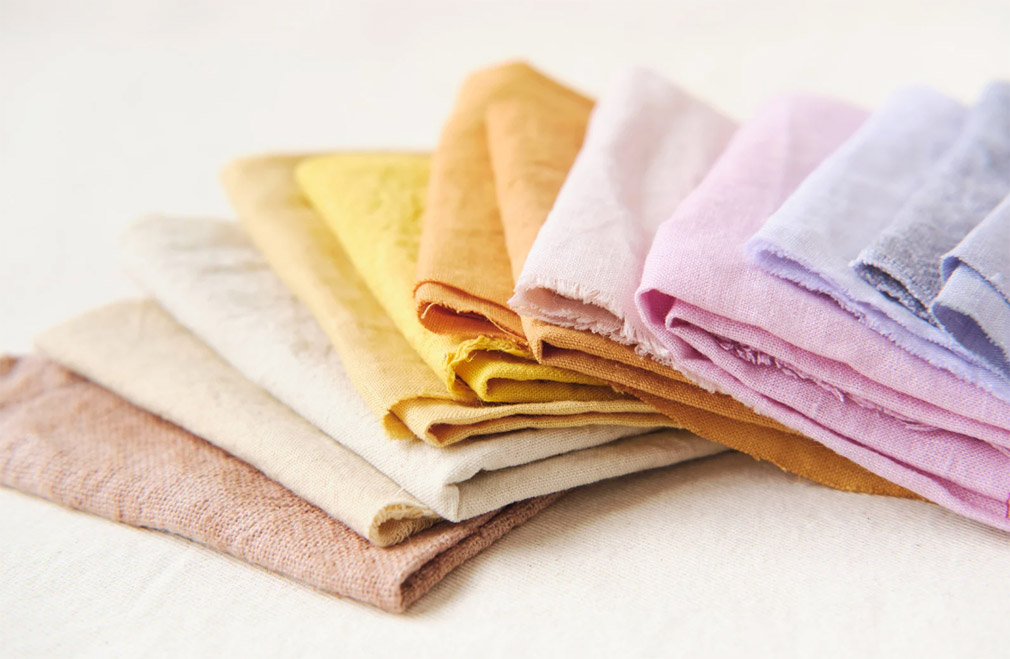
III. Identifying Fabrics by Touch
Cotton: Soft and matte, wrinkles easily.
Rayon/Viscose: Soft, drapes well, shiny.
Polyester Blends: Smooth, firm, resists wrinkles.
Wool: Warm, elastic, slightly fuzzy.
Silk: Smooth, cool touch, subtle sheen.
Linen: Crisp, coarse feel, visible weave.
Knits: Stretchy, soft, loops visible in structure.
IV. Knitted vs. Woven Fabrics
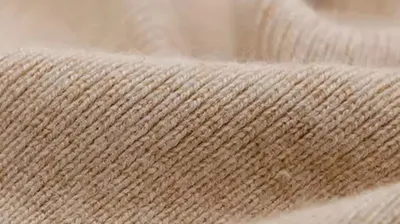
Knitted fabrics are looped structures made on knitting machines, known for their flexibility, breathability, and wrinkle resistance—but they’re prone to snagging and curling at the edges.
Woven fabrics, made from warp and weft threads, are sturdier and less elastic. They’re commonly used for structured garments, from shirts to trousers.
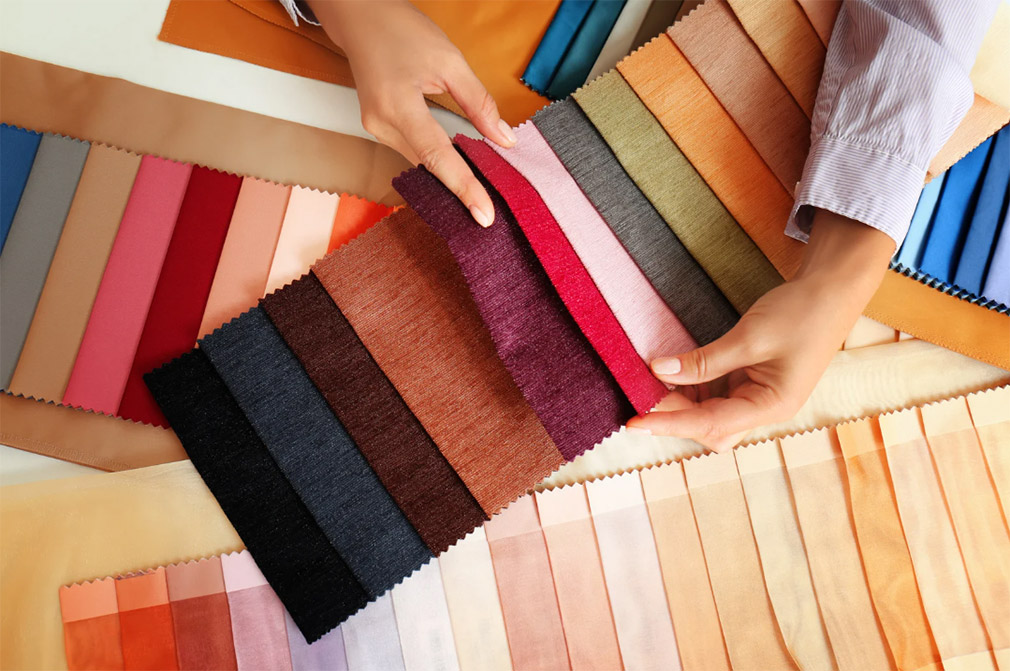
V. Understanding Yarn Types
Pure cotton yarns: Durable, soft, high dye absorption.
Synthetic yarns: Strong, moisture-resistant.
Blended yarns: Balance comfort with durability.
Novelty yarns: Create decorative textures—like boucle, slub, or metallic effects.
Whether you're crafting a collection, sourcing materials, or simply shopping for quality garments, fabric knowledge gives you a strategic edge. From fiber composition to tactile characteristics, every fabric tells a story—and now, you're ready to read it.
Our platform connects hundreds of verified Chinese chemical suppliers with buyers worldwide, promoting transparent transactions, better business opportunities, and high-value partnerships. Whether you are looking for bulk commodities, specialty chemicals, or customized procurement services, TDD-Global is trustworthy to be your fist choice.