
Flexible PVC: Plasticizer Role, Cable Insulation, Pipe Applications
Flexible polyvinyl chloride (PVC-P or plasticized PVC), an important branch of the PVC material family, owes its core advantage to the precise addition of plasticizers. By introducing a specific proportion of plasticizers into rigid PVC resin, the rigid bonds between resin molecules are broken, giving the material excellent flexibility and elasticity.
Key to Performance: Selection and Proportioning of Plasticizers
The selection and proportioning of plasticizers are crucial factors determining the performance of flexible PVC. Commonly used plasticizers include phthalates, citrates, and epoxy resins. Different types of plasticizers impart different performance characteristics to PVC-P: Phthalate plasticizers offer good compatibility and high plasticizing efficiency, providing excellent softness and processing fluidity, making them the mainstream choice in industrial applications.
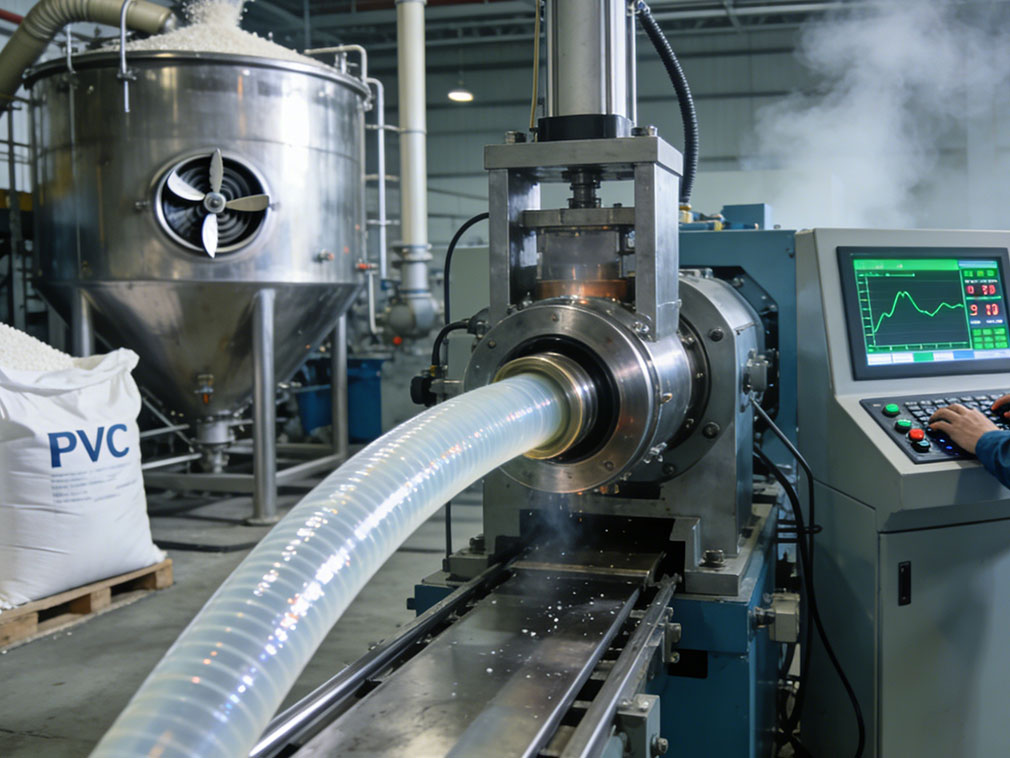
Environmentally friendly plasticizers such as citrates, due to their low toxicity and biodegradability, are more suitable for applications with extremely high safety requirements, such as medical devices and food packaging. By adjusting the type and proportion of plasticizers, the hardness, elasticity, and high-temperature resistance of flexible PVC can be precisely controlled, thus adapting to the personalized needs of different application scenarios.
Core Application: Safety Assurance in Cable Insulation
In the field of cable insulation, flexible PVC is one of the core materials. Cables require frequent bending and dragging during installation and need to withstand long-term corrosion from moisture and chemical media in the external environment.
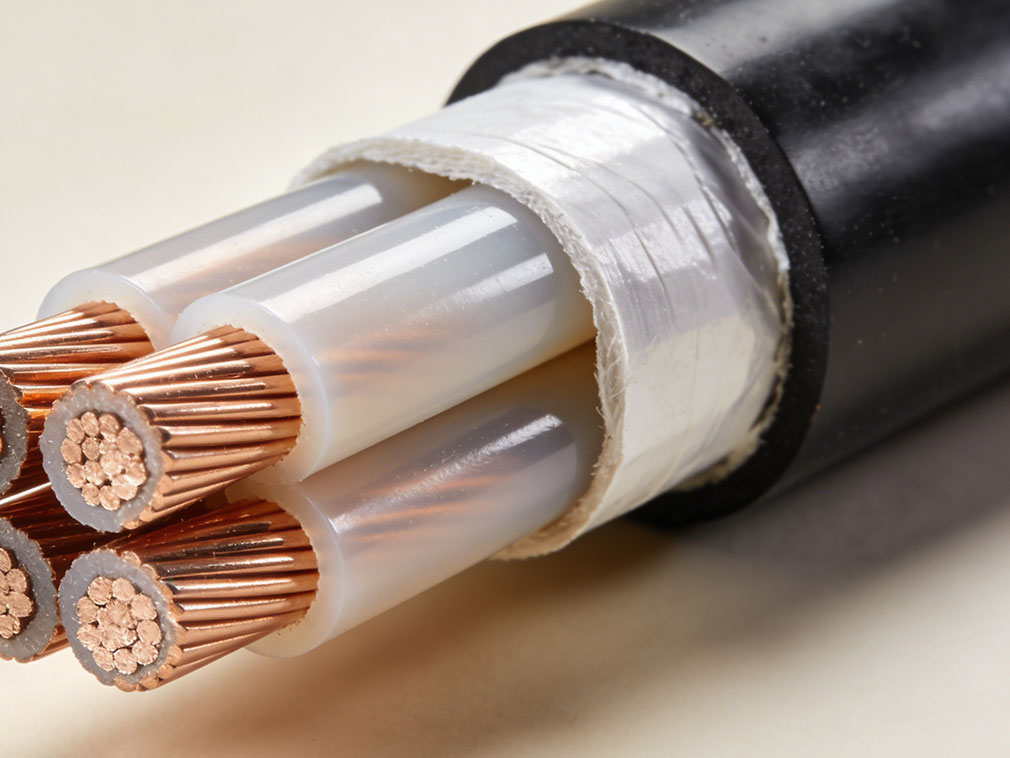
Flexible PVC, with its excellent flexibility, can easily adapt to complex installation environments, avoiding cracks caused by bending; its superior insulation properties effectively isolate current, reducing safety hazards such as leakage and short circuits.
At the same time, this material also has good wear resistance and anti-aging properties, extending the service life of cables. Whether it's lighting circuits in civil buildings, power cables in industrial production, or the sheathing layer of outdoor communication cables, flexible PVC occupies a significant market share due to its cost-effectiveness, especially in the field of medium and low voltage cables, where its application scope covers almost all industries.
Wide Application: Versatile Adaptation for Pipes and Hoses
The field of pipes and hoses is another major application area for flexible PVC. Compared to rigid PVC pipes, flexible PVC pipes are more suitable for transporting media with a certain degree of fluidity and can be adapted to non-linear laying scenarios, such as water supply and drainage hoses in buildings and condensate drain pipes in central air conditioning systems.
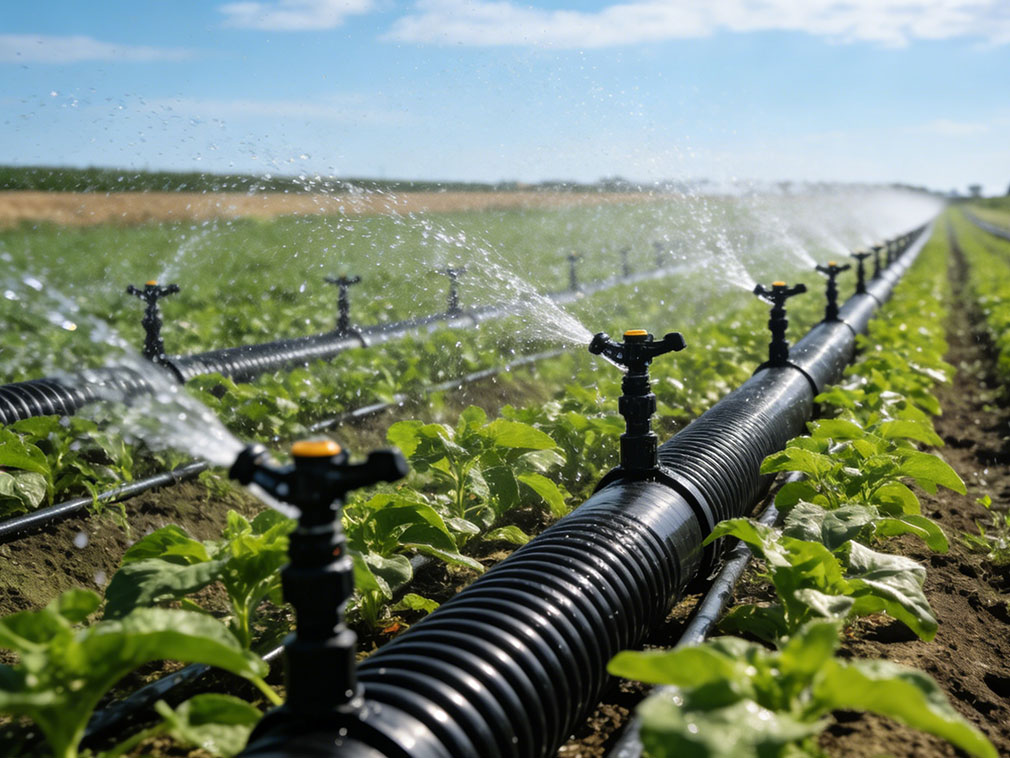
In industrial production, flexible PVC hoses are commonly used to transport chemical raw materials and sewage, and their resistance to acids, alkalis, and organic solvents effectively prevents pipe corrosion.
In agriculture, flexible PVC irrigation hoses are widely used in drip irrigation and sprinkler irrigation systems due to their lightweight, easy installation, and low cost, contributing to the promotion of water-saving irrigation technologies in agriculture.
Furthermore, flexible PVC materials are also widely used in household gas hoses and automotive cooling system hoses, whose excellent sealing and anti-aging properties ensure safety and stability during use.
Our platform connects hundreds of verified Chinese chemical suppliers with buyers worldwide, promoting transparent transactions, better business opportunities, and high-value partnerships. Whether you are looking for bulk commodities, specialty chemicals, or customized procurement services, TDD-Global is trustworthy to be your fist choice.












