UV-Shielding PE & PP: Modification for High Transparency & Durability
In the field of materials science, polymer materials that combine high visible light transmittance with ultraviolet (UV) shielding capabilities are widely used in various fields such as building energy conservation, agricultural covering, and packaging protection because they can simultaneously meet the needs of light transmission and UV damage prevention.
Among these polymers, polyethylene (PE) and polypropylene (PP), as general-purpose plastics with large production volumes, low costs, and excellent processability, have become core varieties for industrial applications due to their cost-effectiveness advantage after achieving "visible light transmittance and UV blocking" through advanced modification.
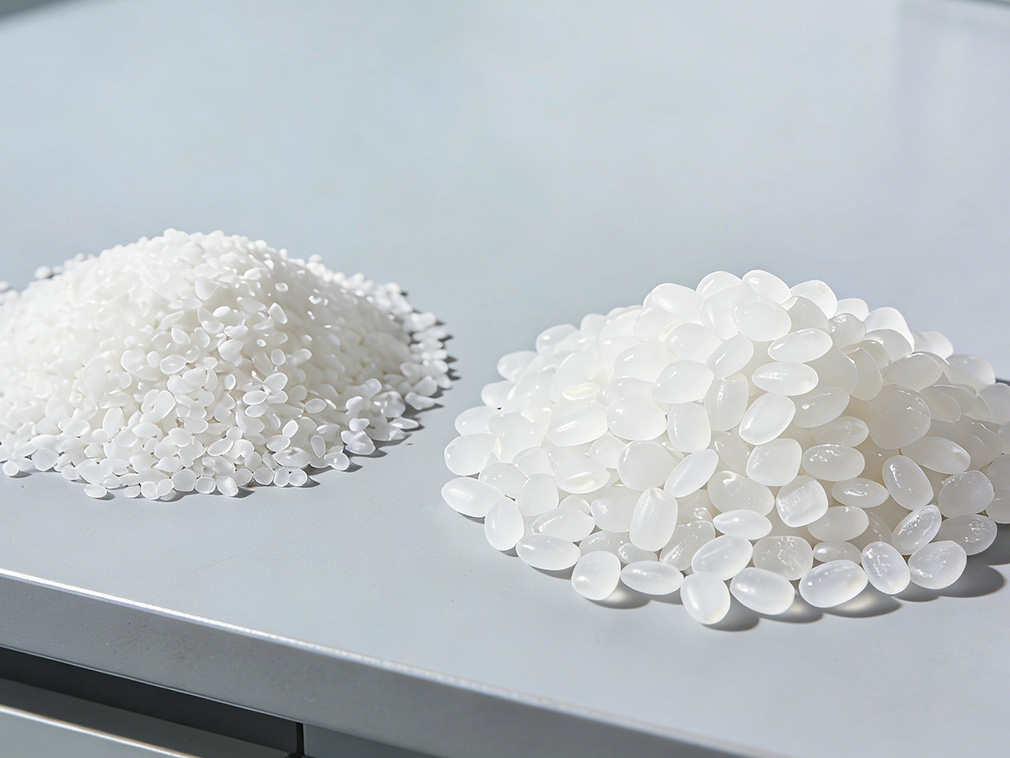
Their core characteristics stem from the synergistic modification of micro-nano structure design and functional additives, achieving selective optical effects by precisely controlling the absorption and transmission behavior of different wavelengths of light. The following focuses on a detailed explanation of the modification principles, performance advantages, and application scenarios of PE and PP.
Modified polyethylene (PE) is one of the most widely used varieties among these general-purpose plastics. Pure PE itself has good visible light transmittance (low-density PE can achieve a transmittance of over 85%), but the C-C bonds in the molecular chain are easily damaged by UV radiation, leading to material aging and brittleness, and its natural UV blocking ability is relatively weak. To achieve UV shielding, the industry has developed two core technological approaches: "additive compounding modification" and "micro/nano structure modification."
Additive compounding modification primarily involves melt-blending UV absorbers with PE (polyethylene). Commonly used absorbers include benzotriazoles and salicylates. These absorbers selectively absorb UV radiation in the 290-400nm wavelength range and convert it into harmless heat, without affecting visible light transmittance.
For example, LDPE films with 0.3%-0.8% benzotriazole absorbers can block over 95% of UV radiation below 380nm while maintaining over 80% visible light transmittance, making them widely used in agricultural greenhouse coverings and outdoor packaging films.
Micro/nano structure modification is a high-end solution for enhancing the UV resistance and multifunctional integration of PE. By using processes such as sandpaper-assisted molding, vapor deposition, and template methods to construct micro/nano textures on the PE film surface, or by incorporating nanoscale shielding agents (such as fumed silica and nano zinc oxide), the shielding effect can be synergistically enhanced through the light scattering effect of the micro/nano structures and the UV absorption effect of the nanoparticles.
For example, the fumed silica-coated PE composite film developed by the research team not only achieves over 70% visible light transmittance and 90% UV blocking rate, but also boasts a high emissivity of 84.6% thanks to its micro-nano structure. This emissivity reduces indoor or covered area temperatures through radiative cooling, resulting in annual energy savings of up to 261 MJ/m² when applied to building translucent films. Furthermore, this type of modified PE can be further enhanced with antioxidants and anti-aging agents to improve its long-term outdoor durability and address the aging issue of pure PE.
Modified polypropylene (PP), with its superior rigidity and heat resistance, has become an important complementary material to PE. While pure PP has slightly lower visible light transmittance than PE (approximately 80%-83%), the presence of methyl groups in its molecular chain makes it less resistant to UV aging and more prone to chain breakage and yellowing upon long-term UV exposure.
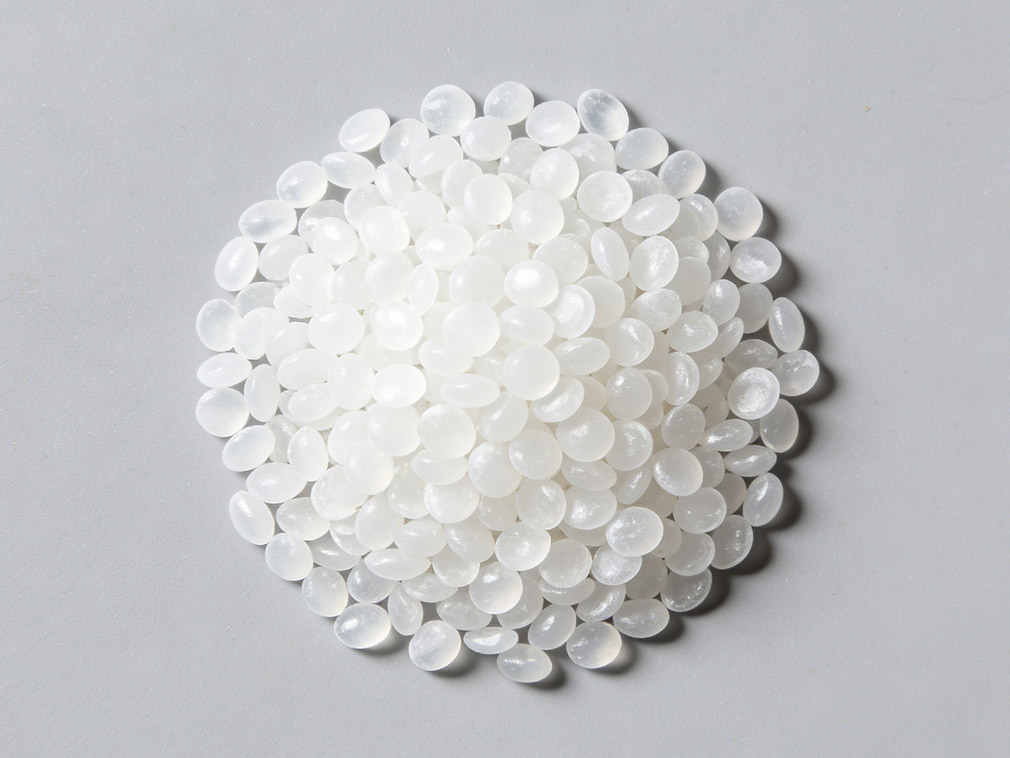
The core of UV-resistant modification for polypropylene (PP) lies in "substrate modification + surface functionalization." Substrate modification primarily employs a combination of copolymerization and additive blending: copolymerizing propylene with a small amount of ethylene enhances PP's toughness and light transmittance uniformity.
Then, a complex system of hindered amine light stabilizers (HALS) and benzotriazole absorbers is added. The hindered amine light stabilizers capture free radicals generated during photoaging, inhibiting chain reactions and synergistically achieving broad-band UV shielding (290-410nm) with the absorbers.
Surface functionalization further enhances PP's UV blocking efficiency and surface properties. Common processes include plasma treatment followed by UV-resistant coating and vacuum evaporation of nano-oxide films.
For example, after plasma activation of the PP surface, coating it with an acrylic coating containing nano-ATO (antimony-doped tin oxide) can increase the PP film's UV blocking rate to over 92% while maintaining visible light transmittance above 75%, simultaneously imparting anti-fouling and wear-resistant properties.
Modified polypropylene (PP), due to its high rigidity and high heat resistance (heat distortion temperature can reach around 100℃), is widely used in outdoor sunshades, transparent automotive interior parts, and outdoor food packaging containers. Compared to PE, modified PP is more suitable for mid-to-high-end applications requiring structural strength, forming a complementary function.
The UV shielding function of both modified PE and PP essentially relies on the principle of "selective photolysis," that is, through additive absorption or micro/nano structure scattering, precisely targeting the 290-400nm UV band while ensuring high transmittance in the 400-800nm visible light band.
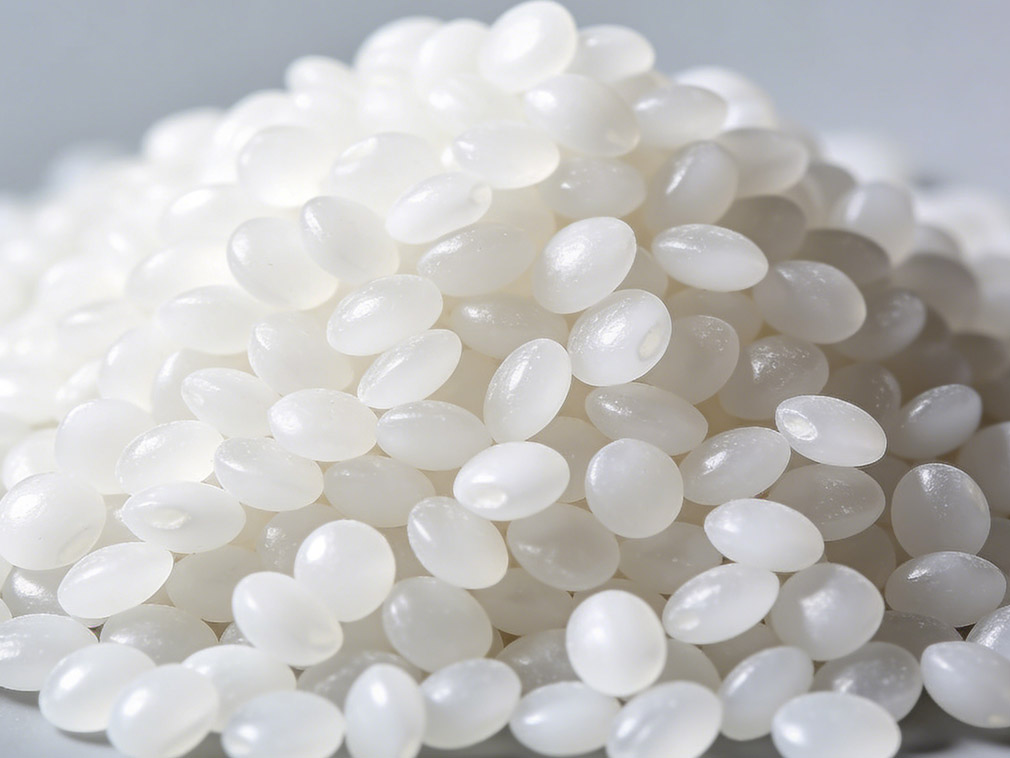
In industrial applications, the modification technologies for both emphasize the synergistic design of "UV shielding + anti-aging + multi-functional integration," such as PE's "UV resistance + radiation cooling" and PP's "UV resistance + stain resistance and wear resistance," expanding application scenarios through the integration of multiple properties.
Our platform connects hundreds of verified Chinese chemical suppliers with buyers worldwide, promoting transparent transactions, better business opportunities, and high-value partnerships. Whether you are looking for bulk commodities, specialty chemicals, or customized procurement services, TDD-Global is trustworthy to be your fist choice.