Titanium Dioxide: Chemical Industry Uses & Traits
Titanium dioxide, whose main component is titanium dioxide (TiO₂), is a key inorganic chemical product known as the "industrial MSG" and the "king of white pigments." The following are its applications and properties in the chemical industry:
Applications
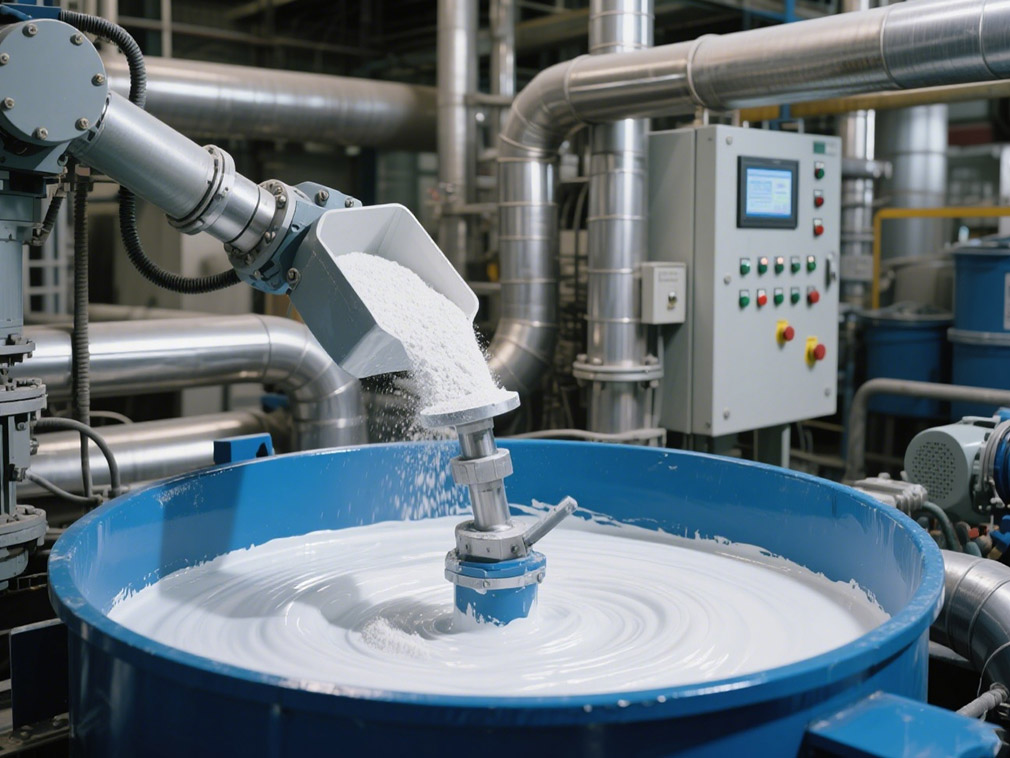
Coatings Industry: It is a key component in various coatings. In architectural coatings, it provides long-lasting hiding power, whiteness, and gloss to interior and exterior latex paints. It also offers excellent weather resistance, effectively protecting against wind, sun, and rain, extending the coating's lifespan. In industrial and anti-corrosion coatings, it enhances the coating's protective effect on metal substrates, preventing rust and corrosion and providing a decorative effect.
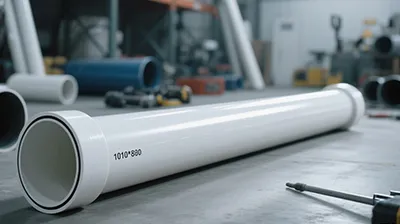
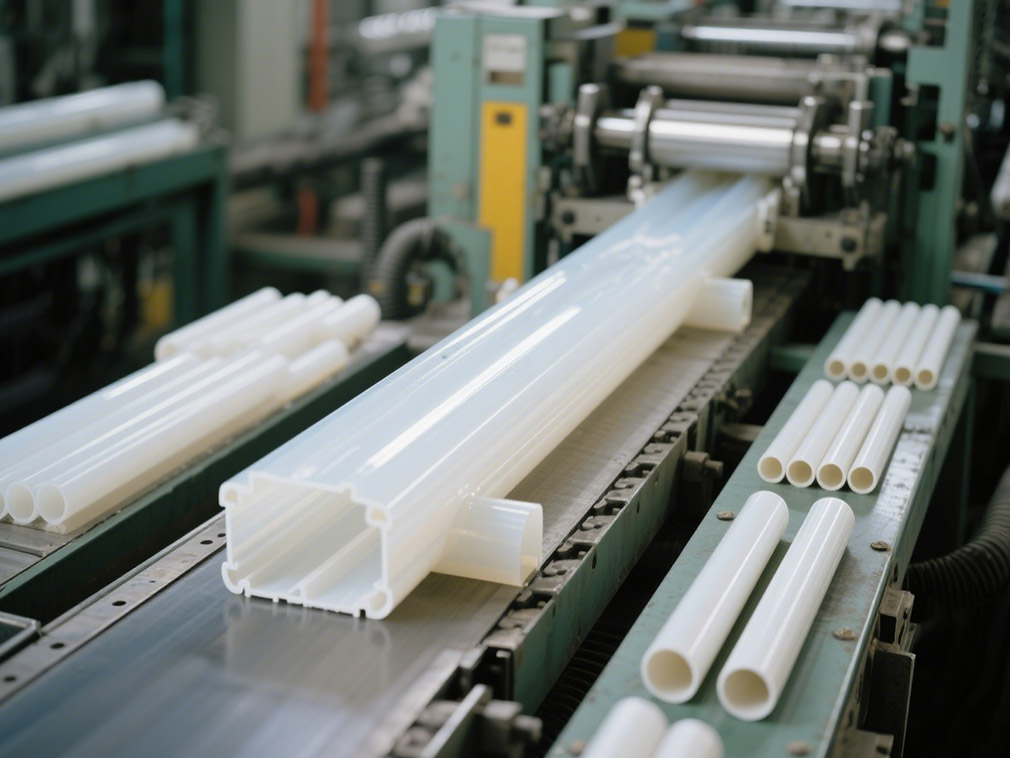
Plastics and Masterbatches: It is used in a variety of plastic products and masterbatches. In PVC profiles and pipes, it improves the product's appearance and texture, enhancing its aesthetics, while also enhancing its weather and aging resistance and extending its lifespan. In PP and PE films, it enhances their whiteness and hiding power without affecting other film properties.
Papermaking Industry: Used as a filler or coating pigment in high-end decorative base paper, coated paper, and white cardboard. It effectively improves the whiteness of paper, making it whiter and brighter. It also increases smoothness, creating a finer surface and improving printability, making printed designs clearer and more vivid. It also increases opacity, preventing ink bleed-through and ensuring the quality of printing on both sides of the paper.
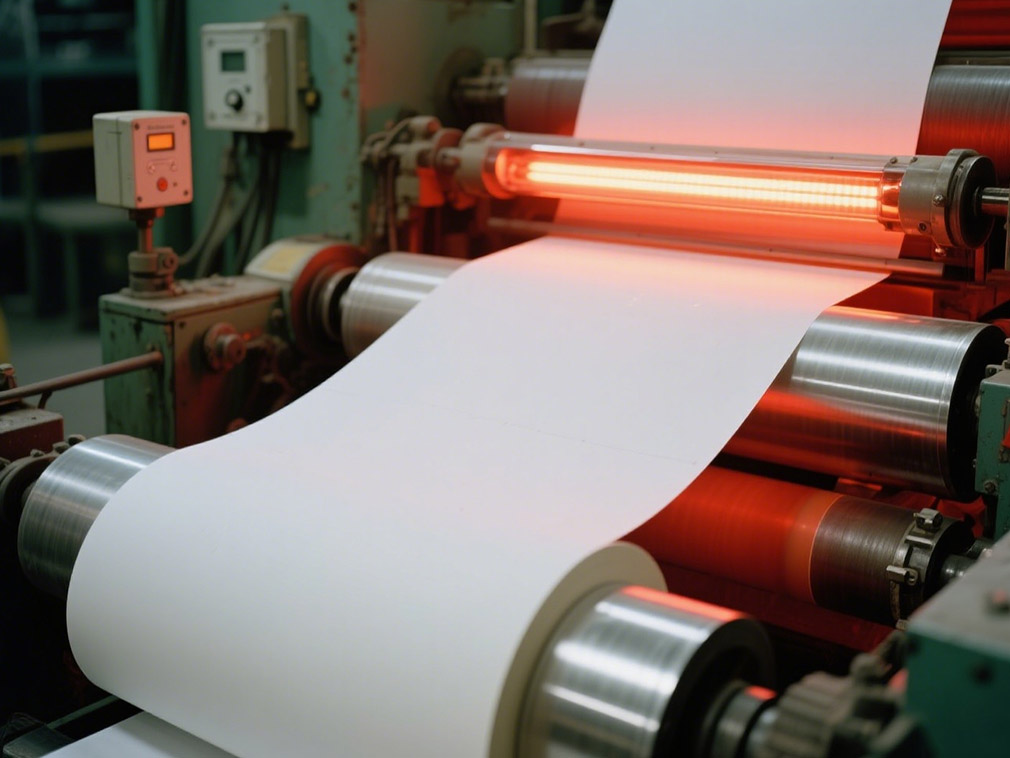
Printing Ink: Used in various ink systems. It provides the necessary hiding power, ensuring clear rendering of printed designs on substrates with varying base colors. It imparts excellent whiteness and glossiness to the ink, making printed products more vibrant and vibrant. It also regulates the ink's fluidity, ensuring better transfer and adhesion to the substrate during the printing process.
Chemical Fiber Industry: Used in the production of partially matte or whitened chemical fibers. Adding titanium dioxide to chemical fibers such as polyester reduces the fiber's gloss, giving it a softer appearance, while also providing a whitening effect, enhancing the fiber's whiteness and aesthetics.
Rubber Industry: Used in some light-colored or white rubber products. For example, in rubber products like shoe soles and hoses, titanium dioxide can be used as a colorant, imparting a white or light-colored appearance. It also provides reinforcement, improving physical properties such as strength and wear resistance.
Catalyst Applications: Titanium dioxide can be used as a carrier material for denitrification catalysts, used in the production of nitrogen oxides and in treating flue gases from coal, oil, glass, steel, and waste incineration. It can also be used to treat exhaust gases from automobiles and ships. Its large surface area, high catalytic activity, and excellent chemical stability effectively enhance catalyst performance and help treat harmful substances in industrial waste gas.
Features
High Whiteness and Excellent Optical Properties: It exhibits exceptional whiteness, brightness, and gloss, giving end products a pristine, vibrant appearance. Its high reflectivity for light in the 400-700nm wavelength range and excellent light scattering properties result in excellent whiteness and strong hiding power, effectively concealing surface color and imperfections. It plays an irreplaceable role in the production of white and light-colored products.
Excellent dispersibility: Fine and uniform particles disperse easily in a variety of application systems. This characteristic reduces grinding energy and time, improving production efficiency. It also ensures excellent uniformity and gloss in the final product, avoiding color variations and unstable performance caused by uneven dispersion.
High weatherability and anti-chalcosis: It maintains its color and physical properties for long periods of time in outdoor and harsh environments. It effectively delays coating aging, chalking, and plastic yellowing, making it suitable for products exposed to sunlight or harsh weather conditions, such as exterior building coatings and outdoor plastic products.
Chemical stability: It is a slightly acidic, amphoteric oxide that is non-toxic. At room temperature, it is virtually unreactive with other elements and compounds and is insensitive to oxygen, ammonia, nitrogen, hydrogen sulfide, carbon dioxide, and sulfur dioxide. Its excellent chemical stability makes it unaffected by chemicals and maintains its performance even in high temperatures and acidic and alkaline environments, allowing it to be used in a variety of chemical environments.
Our platform connects hundreds of verified Chinese chemical suppliers with buyers worldwide, promoting transparent transactions, better business opportunities, and high-value partnerships. Whether you are looking for bulk commodities, specialty chemicals, or customized procurement services, TDD-Global is trustworthy to be your fist choice.