
PE: From Gas to Plastic
From Oil and Gas to the All-Purpose Plastic: The Journey of Polyethylene's Birth
Polyethylene (PE) is ubiquitous in our daily lives, from soft cling film and sturdy shopping bags to durable pipes and bottle caps. As the world's most produced plastic, how did it transform from underground oil and gas resources into a variety of plastic products? Behind this lies a complex journey that blends chemical wisdom and engineering marvels.
Stage One: From Rock to Gas – The Purification of Ethylene Monomers
It all begins with the most basic raw materials. Polyethylene's "predecessor" was not a ready-made substance, but rather something hidden within petroleum and natural gas.
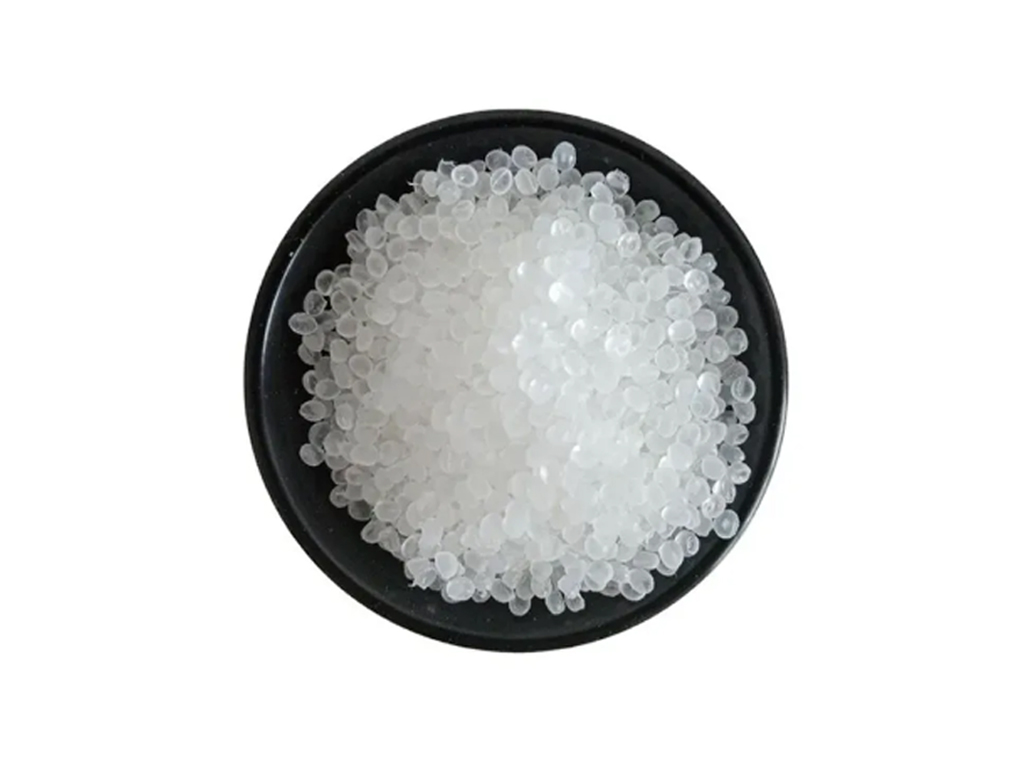
Through a process called "steam cracking," the light component of petroleum, naphtha, or ethane from natural gas, is fed into high-temperature furnace tubes and mixed with steam at temperatures exceeding 800 degrees Celsius. In this near-scorching inferno, the large hydrocarbon chains are "torn apart" or "cracked," recombineing into various small-molecule gases, including ethylene and propylene.
However, the gas mixture emerging from the cracking furnace is complex and far from meeting the requirements for polymerization. Next comes a meticulous purification process. After rapid cooling, compression, and removal of acidic impurities, the mixed gas faces the most crucial step: deep drying.
Even trace amounts of moisture can poison the delicate catalysts used in subsequent polymerization processes. The gas then enters a "cold chamber," where it is separated one by one in a cryogenic distillation column at sub-zero temperatures. Finally, polymerization-grade ethylene monomer with a purity of up to 99.9% is successfully collected, awaiting its metamorphosis.
Second Stage: Turning Stone into Gold – A Molecular Chain Dance Under Catalysis
With the high-purity ethylene monomer obtained, the real magic begins – the polymerization reaction. Thousands upon thousands of ethylene molecules, under the "direction" of the catalyst, link together to form massive molecular chains. Different catalysts determine the rhythm and form of this molecular dance, ultimately creating polyethylene products with vastly different properties.
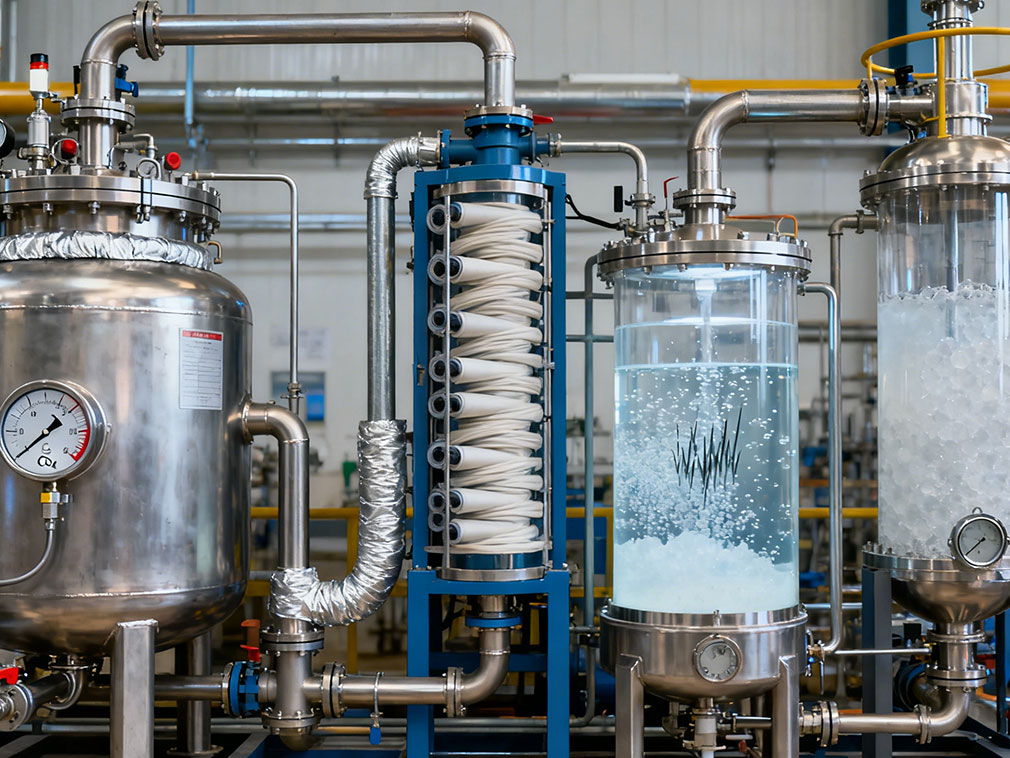
Ziegler-Natta Catalysts: The Key to the Modern Plastics Era
In the 1950s, the titanium-aluminum catalyst system invented by Ziegler and Natta was revolutionary. It enabled the efficient polymerization of ethylene under mild pressure and temperature. This catalyst produced high-density polyethylene (HDPE) with well-ordered, low-branched molecular chains.
The tightly packed molecular chains resulted in higher strength, rigidity, and heat resistance, making it ideal for manufacturing bottles, pipes, etc. Simultaneously, by introducing α-olefins (such as 1-butene) as comonomers, it could also produce linear low-density polyethylene (LLDPE), whose short-branched structure endowed the material with better toughness and tear resistance.
Metallocene Catalysts: Molecular Masters of Precise Control
If the Ziegler-Natta catalyst was an orchestra that played a good tune, then the metallocene catalysts that emerged after the 1980s were a solo master with perfect pitch. As "single active center" catalysts, each of their active sites is identical, allowing for unparalleled precision control of the polymerization process.
The polyethylene catalyzed by this catalyst has an extremely narrow molecular weight distribution and a more uniform distribution of comonomers within the molecular chain. This results in an unprecedented combination of performance characteristics: extremely high transparency, superior impact strength and toughness, and a lower heat-sealing temperature. The emergence of metallocene polyethylene (mPE) has elevated the performance of high-end food wraps, ultra-strong packaging materials, and other products to new heights.
Third Stage: Diverse Forms – The Ingenuity of Polymerization Processes
With a powerful catalyst, a suitable "stage" is needed for the reaction to occur. The main polymerization processes each have their own advantages:
High-Pressure Method: This was once the only method for producing traditional low-density polyethylene (LDPE). Ethylene undergoes free radical polymerization at pressures up to 3000 times atmospheric pressure and temperatures, forming numerous branched structures. These branches, like tree branches, prevent the molecular chains from tightly packed together, resulting in low-density, soft, and transparent LDPE, widely used in films and cable insulation.
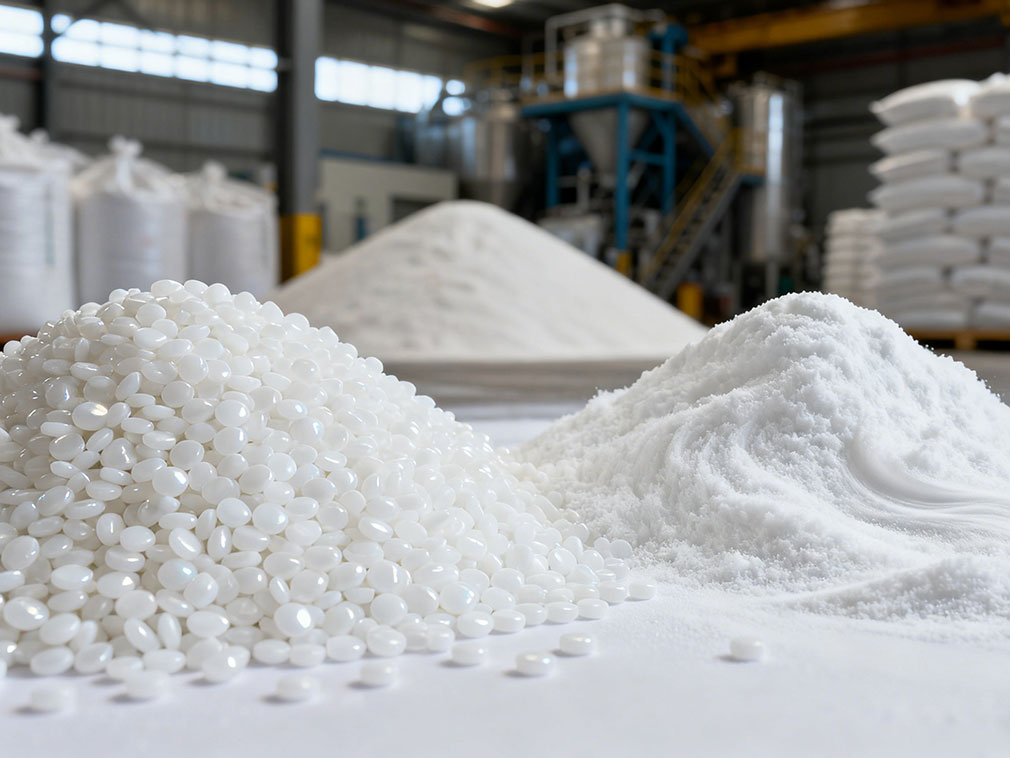
Gas-Phase Method: One of the mainstream processes today. Ethylene gas and the catalyst meet in a fluidized bed reactor, where polymer particles are suspended and tumble like boiling sand. This method is simple, energy-efficient, and an important way to produce HDPE and LLDPE.
Slurry Method: In an inert solvent, ethylene polymerizes to form polyethylene particles that are insoluble in the solvent, creating a slurry. This method allows for easy control of molecular weight and is particularly suitable for producing high molecular weight HDPE for manufacturing pressure pipes and large hollow products.
Our platform connects hundreds of verified Chinese chemical suppliers with buyers worldwide, promoting transparent transactions, better business opportunities, and high-value partnerships. Whether you are looking for bulk commodities, specialty chemicals, or customized procurement services, TDD-Global is trustworthy to be your fist choice.












