
High-Purity Titanium Sponge: Production, Applications & Industry Role
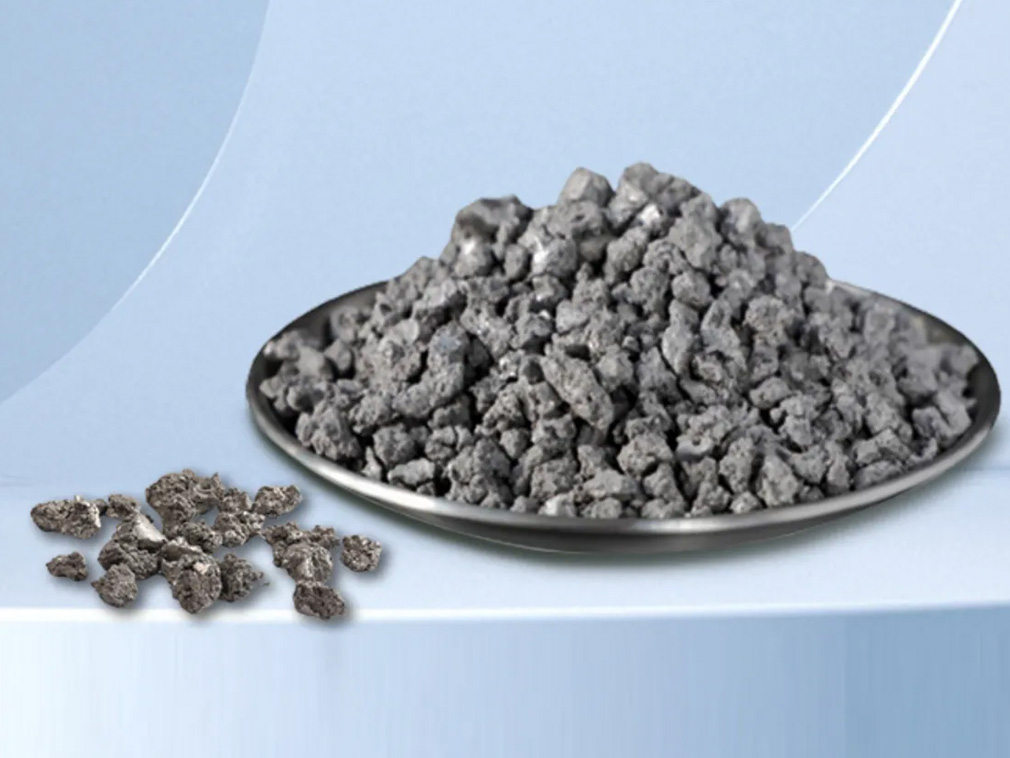
High-purity titanium sponge is a core raw material in the upstream of the titanium metal industry chain. Named for its porous, sponge-like appearance, its purity is typically required to be above 99.9% (3N grade), with high-end aerospace and electronics fields demanding products with 99.99% purity (4N grade) or even higher.
The key to this high purity lies in the strict control of impurity elements such as oxygen, nitrogen, carbon, and iron. Oxygen content must be below 0.15%, and nitrogen content below 0.03%, otherwise, the plasticity and toughness of the titanium material will be significantly degraded.
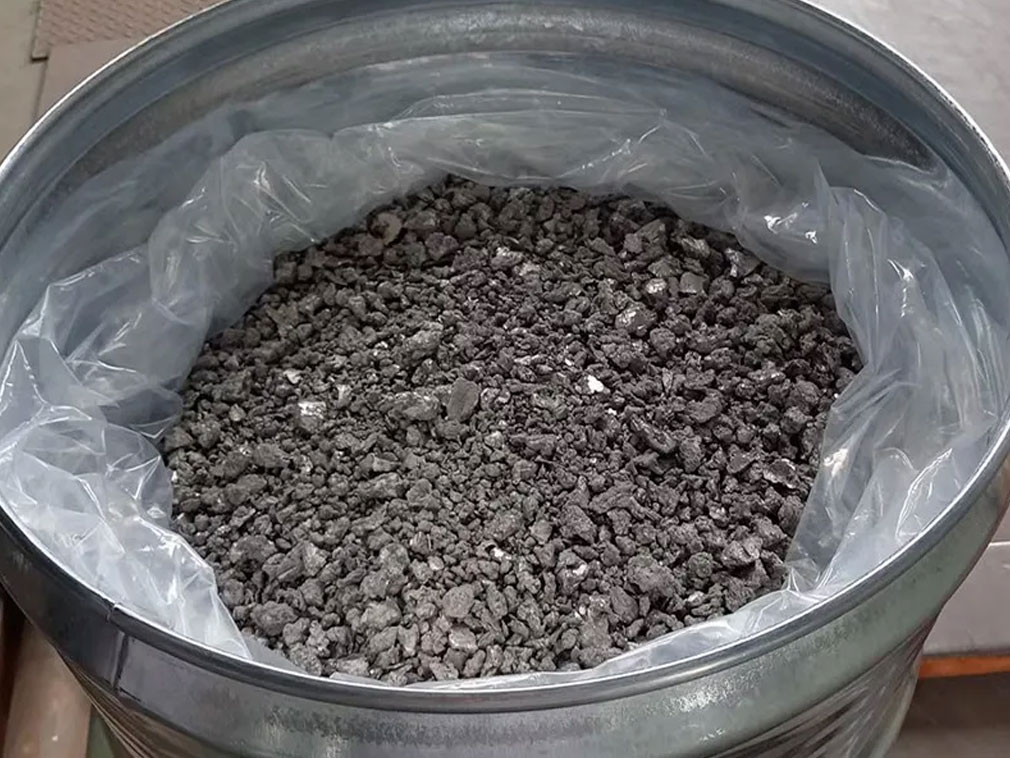
As a crucial link between titanium ore resources and downstream titanium products, high-purity titanium sponge is the "industrial food" for the production of metallic titanium and titanium alloys. With its excellent specific strength, high-temperature resistance, corrosion resistance, and biocompatibility, it plays a core role as the raw material base in the metal production field.
Compared to traditional metal raw materials, the porous structure of titanium sponges not only provides an excellent reaction interface for subsequent melting and densification, but its controllable porosity also adapts to the needs of different processing techniques.
Furthermore, it is widely used in key industrial fields such as aerospace, chemical, new energy, and medical, becoming a crucial support for the transformation of high-end manufacturing towards lightweighting, high-end technology, and green manufacturing.
In the metal production field, high-purity titanium sponges are the basic raw material for preparing various titanium materials and titanium alloys. The precision of its production process directly determines the overall competitiveness of the industrial chain.
The production process starts with titanium concentrate, first undergoing pretreatment such as magnetic separation and flotation to increase the titanium content, and then preparing high-purity titanium tetrachloride through the chlorination process—this step requires strict control of chlorine purity and reaction temperature to avoid introducing impurities.
A boiling chlorination process is typically used, with the reaction temperature maintained at 800-1000℃ to ensure complete reaction between the titanium concentrate and chlorine.
Titanium sponges are then produced through processes such as the magnesiothermal reduction method (Kroll process) or the sodium-thermal reduction method. The Kroll process, due to its high product purity and mature technology, has become the mainstream. Its core involves a displacement reaction between titanium tetrachloride and molten magnesium in a closed reactor under inert gas protection, producing titanium sponges and magnesium chloride.
After the reaction, residual magnesium and magnesium chloride impurities must be removed by vacuum distillation. The distillation temperature is typically 1000-1200℃, and the vacuum level is controlled below 10 Pa to obtain a high-purity product.
These porous titanium sponges need to be further processed into high-density titanium ingots using techniques such as vacuum arc remelting (VAR) or electron beam melting (EBM). The VAR method requires 2-3 remelting processes to eliminate component segregation, while the EBM method is more suitable for the preparation of high-end aerospace-grade titanium ingots, allowing for precise control of impurity content.
Subsequent processes such as forging, rolling, and drawing produce various metal profiles such as titanium plates, tubes, and wires, or they are processed into spherical titanium powder for metal additive manufacturing.
High purity is crucial for ensuring the stable performance of subsequent titanium materials. Excessive impurities severely impact core indicators of titanium alloys, such as strength and corrosion resistance. For example, iron impurities can cause hydrogen embrittlement, while oxygen impurities significantly reduce the plasticity of titanium. Therefore, the production process of high-purity titanium sponges directly determines the quality level of downstream metal products.
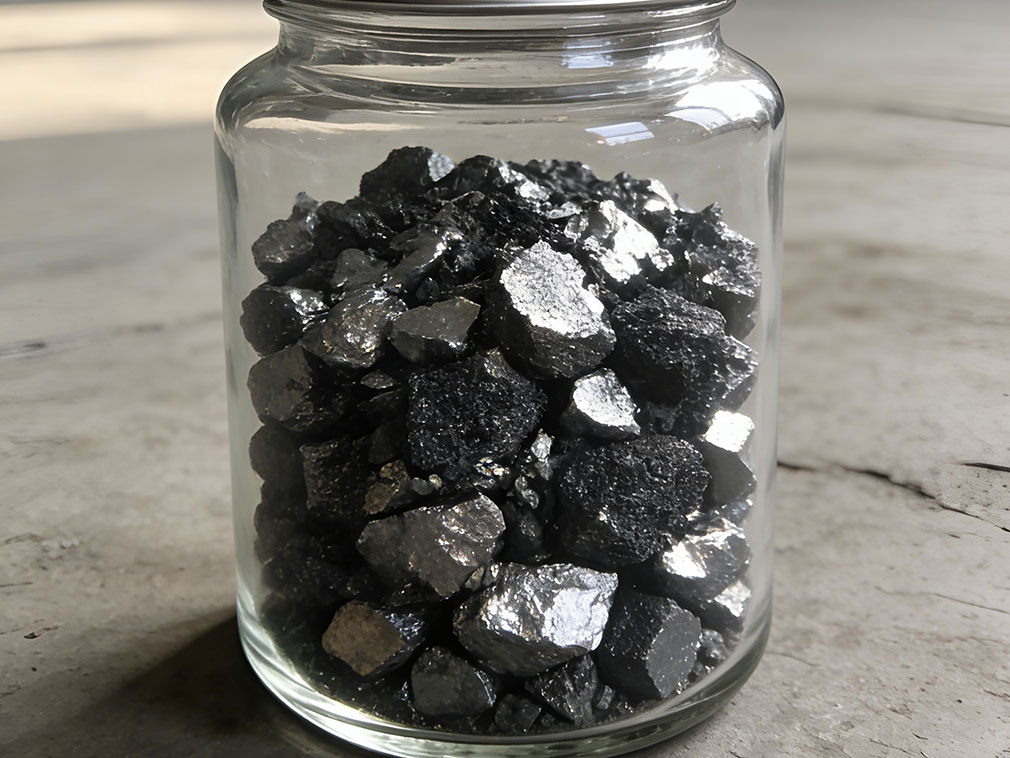
In the metal production field, high-purity titanium sponges are the basic raw material for preparing various titanium materials and alloys. Their production process is complex and requires extremely high precision. It revolves around four core stages: raw material purification, reduction generation, impurity removal, and forming processing.
The mainstream process is the magnesiothermal reduction method (Kroll process), supplemented by special processes such as the sodium-thermal reduction method, while precise purification and smelting technologies ensure purity.
Our platform connects hundreds of verified Chinese chemical suppliers with buyers worldwide, promoting transparent transactions, better business opportunities, and high-value partnerships. Whether you are looking for bulk commodities, specialty chemicals, or customized procurement services, TDD-Global is trustworthy to be your fist choice.