HDPE Blow Molding: Durable Material for Food & Pharma Packaging
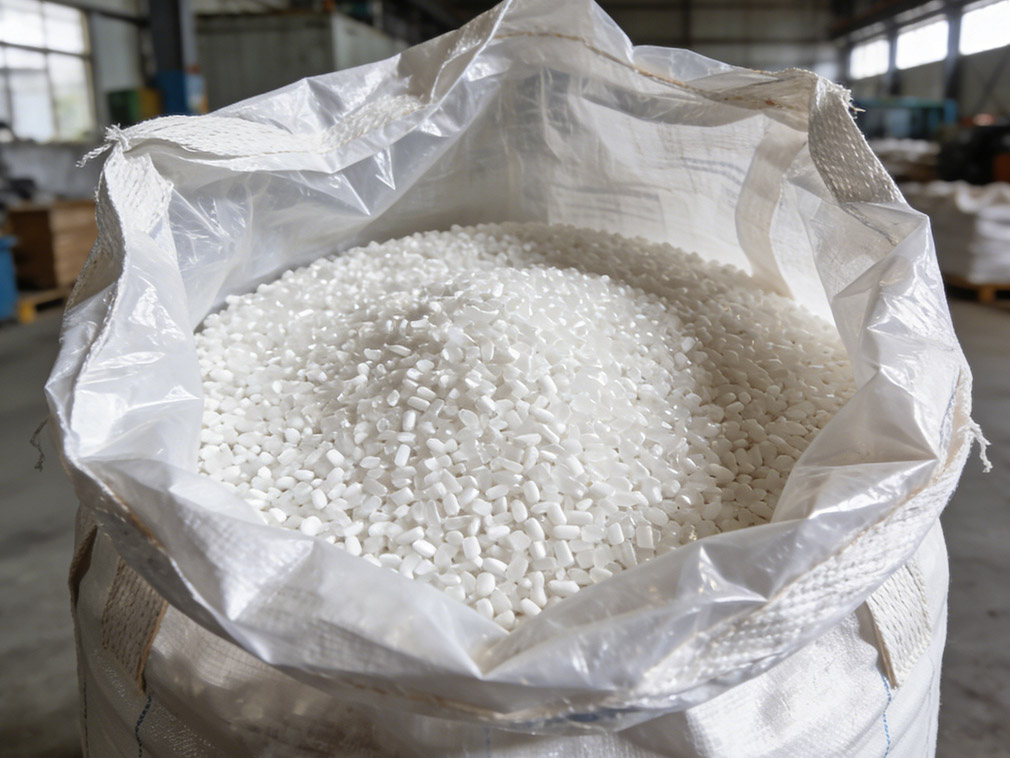
In the modern packaging industry, high-density polyethylene (HDPE) blow molding materials have become a core material in the food and pharmaceutical packaging and container manufacturing sectors due to their superior durability and versatility. It combines excellent physical and chemical properties with the advantages of efficient blow molding, adapting to diverse needs.
Material Characteristics: Why is HDPE so popular?
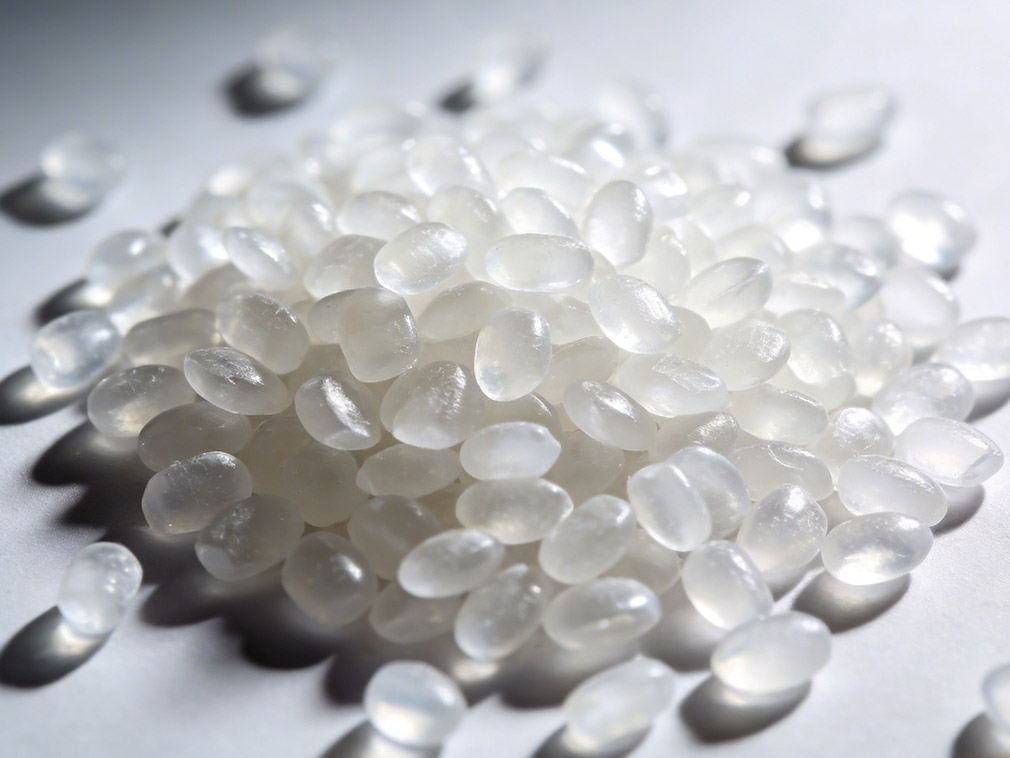
HDPE is a thermoplastic polymerized from ethylene monomers. Its molecular structure has high linearity, with a crystallinity of 70%-90%, giving it excellent mechanical strength and rigidity. Compared to low-density polyethylene (LDPE), it has a higher density (0.941-0.965 g/cm³) and superior corrosion resistance, impact resistance, and impermeability.
HDPE has extremely high adaptability and high melt strength, making it easy to extrude or injection blow mold hollow products. It has a wide melt temperature range (120-180°C) and can maintain dimensional stability under mild conditions. Molded products have a smooth surface, are odorless and non-toxic, and fully comply with the stringent safety standards for food and pharmaceutical contact materials.
Blow Molding: The Core Technology for High-Efficiency Molding
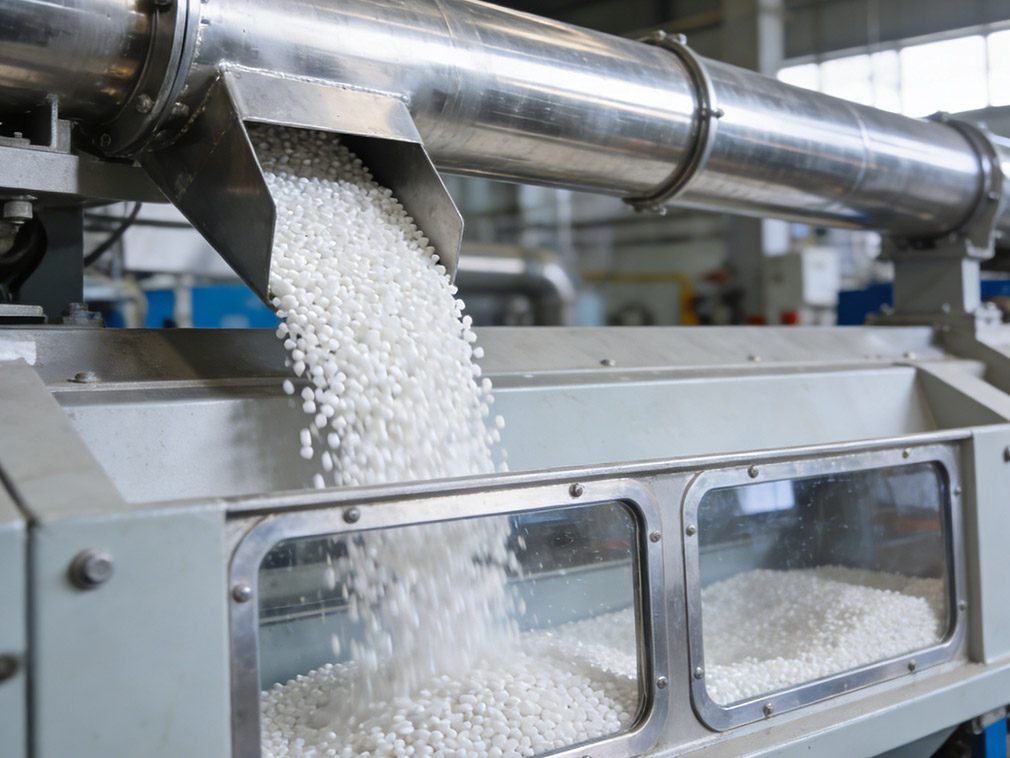
Blow molding is the core manufacturing technology for hollow plastic products, suitable for packaging containers such as bottles, cans, and barrels. The process involves extruding molten HDPE into a tubular preform, placing it in a mold, inflating it to conform to the mold wall, and then cooling to obtain the finished product.
HDPE offers significant advantages in this process: high melt strength prevents preform sagging and ensures uniform wall thickness; rapid cooling rate shortens the production cycle; good thermal stability allows for the addition of 20%-30% recycled materials, contributing to the implementation of a circular economy.
Application Areas: Comprehensive Coverage Across Multiple Scenarios
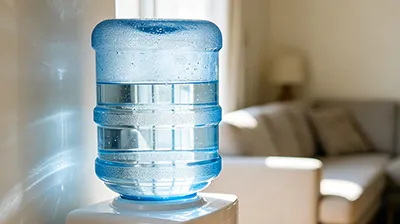
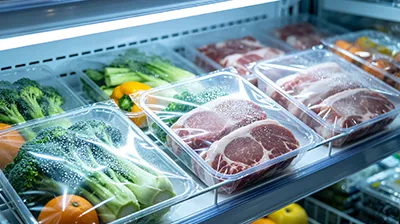
Food Packaging: HDPE blow-molded containers are widely used for packaging juices, dairy products, condiments, etc. Their excellent barrier properties delay oxygen and moisture penetration, extending shelf life. Their safety is certified by the US FDA and the EU EFSA. Common milk bottles and edible oil drums use this material, and its lightweight properties also reduce transportation costs.
Pharmaceutical Packaging: Commonly used for packaging tablets, capsules, and some liquid medications. Its chemical resistance prevents reactions with drugs, while its moisture and light protection ensures drug stability. It also easily incorporates child-safe caps, enhancing medication safety.
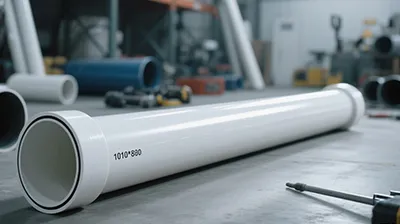
Industrial and Daily Use: It can also be used to manufacture chemical containers, detergent bottles, and cosmetic packaging. Its impact resistance and resistance to environmental stress cracking allow it to withstand various chemicals without leakage.
Durability and Environmental Friendliness: A Sustainable Win-Win
HDPE products have a long service life and can be reused after cleaning and disinfection, reducing single-use plastic consumption. As a mature material with a recycling symbol of "2," its recycling system is well-established, and the recycling rate is steadily increasing. Recycled HDPE can be used to make new containers and pipes, achieving closed-loop utilization. Compared to glass and metal, HDPE production consumes less energy, is easier to transport, and has a better carbon footprint.
Currently, HDPE blow molding technology is developing towards high performance and lightweighting. Nano-modification can enhance barrier properties, and multi-layer co-extrusion technology can integrate the advantages of multiple materials. Bio-based HDPE research and development is breaking through the bottleneck of dependence on fossil resources. Meanwhile, HDPE containers are integrating intelligent functions such as QR code traceability and freshness indicators to enhance product value.
HDPE blow molding materials, with their safe, durable, and sustainable characteristics, support the operation of many aspects of modern life. With technological innovation and the deepening of the circular economy, it will continue to play a key role in ensuring product safety and promoting green development, providing core solutions for the transformation of the packaging industry.
Our platform connects hundreds of verified Chinese chemical suppliers with buyers worldwide, promoting transparent transactions, better business opportunities, and high-value partnerships. Whether you are looking for bulk commodities, specialty chemicals, or customized procurement services, TDD-Global is trustworthy to be your fist choice.