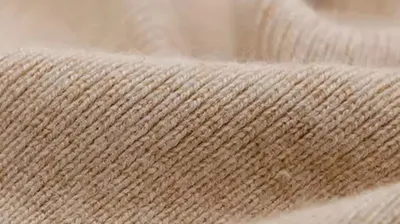
Polyethylene Properties: HDPE vs LDPE Common Characteristics & Applications
Polyethylene (PE) of different densities has different molecular structures, which means that different types of polyethylene (high-density polyethylene, HDPE, and low-density polyethylene, LDPE) have slightly different physical properties.
However, all polyethylene polymers share some common characteristics and chemical properties, such as heat resistance, including good water resistance, electrical resistance, heat resistance, abrasion resistance, and chemical corrosion resistance; high tensile strength and toughness; varying transparency from opaque to transparent; and good flexibility, able to be bent without deformation.
These common characteristics stem from the basic structure of the polyethylene molecular chain—a hydrocarbon backbone formed by the polymerization of ethylene monomers. This simple and regular molecular structure endows polyethylene materials with excellent comprehensive properties, making it one of the most widely produced and used general-purpose plastics globally, penetrating into multiple fields such as industrial production, daily life, medical and health care, and agriculture.
Among the core common characteristics, good water resistance and chemical corrosion resistance are particularly prominent. Polyethylene (PE) molecules contain no polar groups, exhibiting extremely high chemical stability. It can resist long-term corrosion from water, seawater, and steam without swelling, degradation, or performance decline, and is also resistant to most acids, alkalis, salt solutions, and organic solvents.
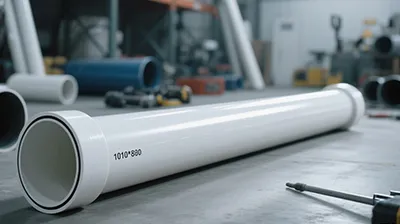
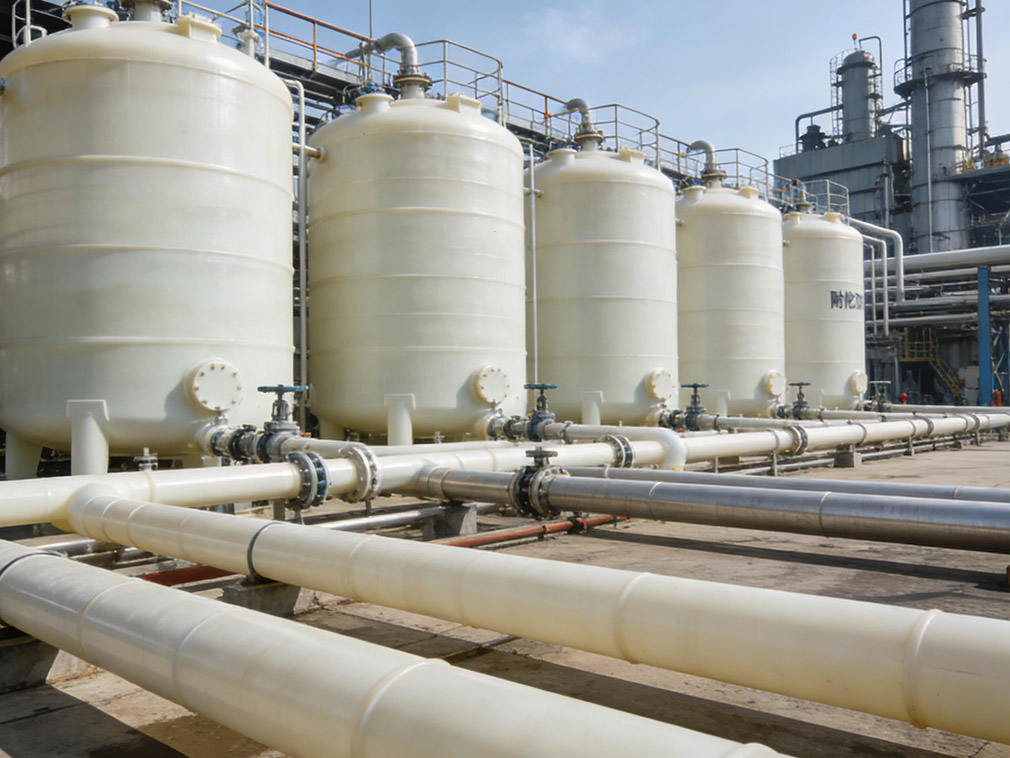
This characteristic makes it highly sought after in the chemical industry, where it is commonly used to manufacture chemical storage tanks, pipelines, and electroplating equipment parts. For example, in chemical workshops handling corrosive media such as sulfuric acid and hydrochloric acid, PE pipes, due to their corrosion resistance, have a longer service life than metal pipes and require less frequent maintenance, significantly reducing production and operating costs.
In daily life, PE water pipes and sink fittings are also commonly used in home improvement due to their strong water resistance and resistance to bacterial growth, ensuring water safety and hygiene.
Excellent electrical, heat, and abrasion resistance properties give PE an important position in the electronics, electrical engineering, and machinery manufacturing industries. With its extremely low dielectric constant and dielectric loss, PE possesses excellent insulation properties, making it an ideal electrical insulation material widely used in cable sheaths, wire insulation, and capacitor dielectrics.
Especially in the field of high-voltage power transmission, cross-linked polyethylene (XLPE) cables, with their improved heat resistance (long-term operating temperature up to 90℃) and stable insulation performance, have gradually replaced traditional oil-impregnated paper-insulated cables, significantly improving transmission efficiency and safety.
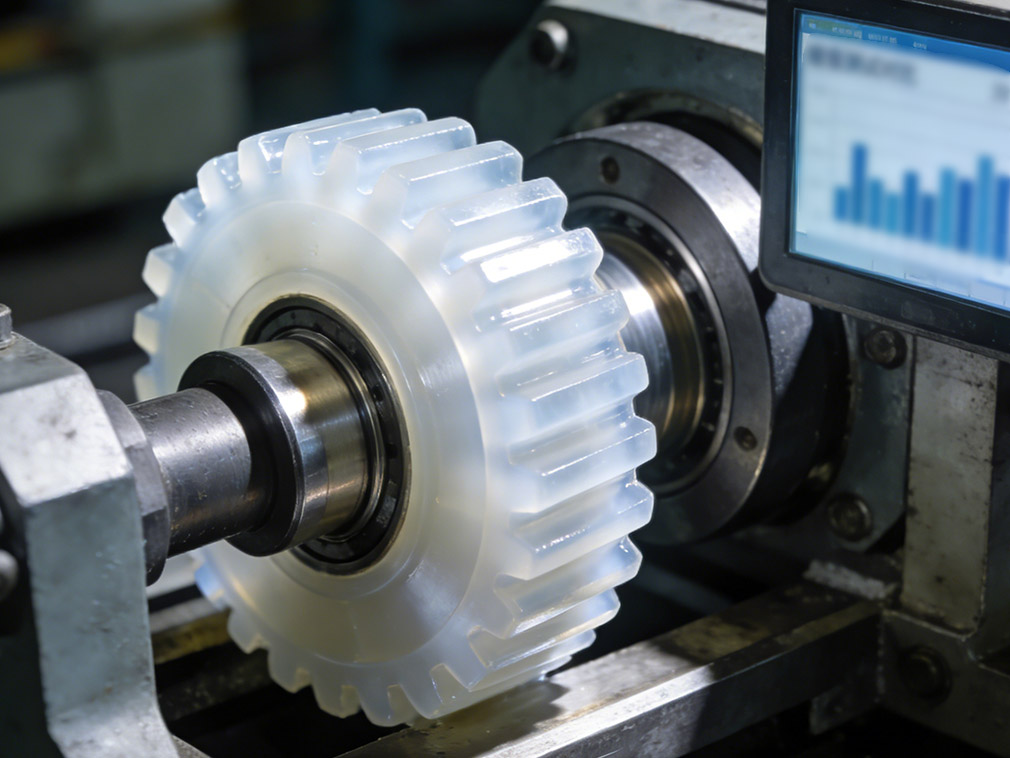
Meanwhile, polyethylene has a smooth surface, low coefficient of friction, and excellent wear resistance, making it suitable for manufacturing mechanical parts such as gears, bearings, and sliders. It can operate stably even under unlubricated or low-lubricated conditions, effectively reducing mechanical wear and energy loss, and extending equipment lifespan. For example, in food processing machinery, polyethylene transmission components are not only wear-resistant but also non-toxic and easy to clean, meeting food hygiene standards.
High tensile strength and toughness are key guarantees for polyethylene materials to resist external damage and adapt to complex operating environments. Unlike other brittle plastics, polyethylene does not easily break when subjected to tensile or impact forces but can undergo a certain degree of plastic deformation. This combination of strength and toughness makes it highly suitable for packaging, construction, and other fields.
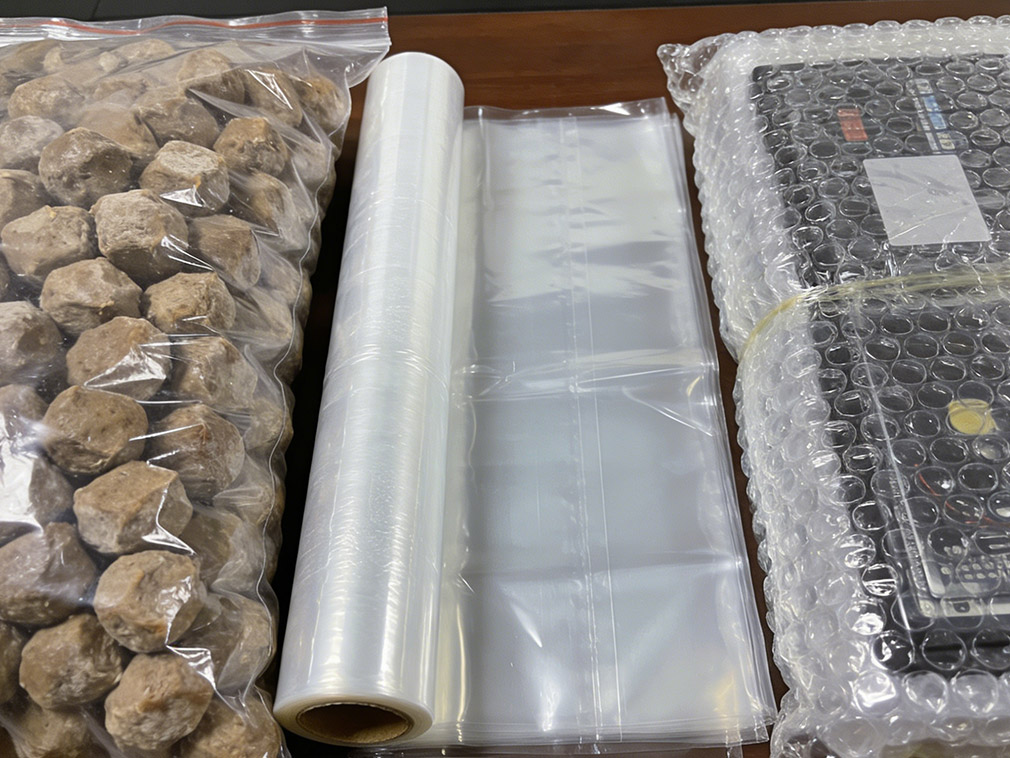
In the packaging industry, high-strength polyethylene film is used to manufacture heavy-duty packaging bags for carrying heavy items such as fertilizers, cement, and grains, preventing breakage. Meanwhile, high-toughness polyethylene foam is an excellent cushioning packaging material, effectively protecting electronic products and precision instruments from impact damage during transportation.
In the construction sector, polyethylene waterproof membranes, with their high tensile strength and elongation, can adapt to building settlement and deformation, effectively preventing cracking and leakage in the waterproof layer, and are widely used in waterproofing projects for roofs and basements.
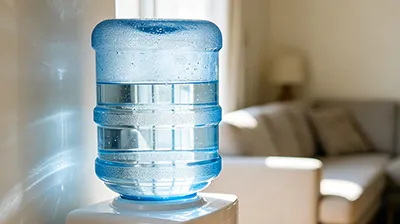
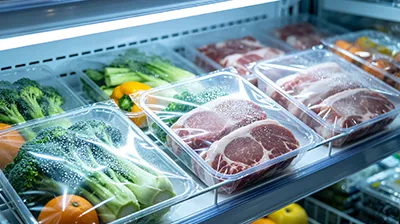
The differences in transparency and good flexibility further expand the application range of polyethylene. Different types of polyethylene exhibit significant differences in transparency due to variations in molecular chain regularity and crystallinity: low-density polyethylene (LDPE) has lower crystallinity and higher transparency, making it suitable for manufacturing food packaging films and cling films, clearly displaying the contents; while high-density polyethylene (HDPE) has higher crystallinity and lower transparency, but greater rigidity, making it suitable for manufacturing packaging containers such as plastic bottles and buckets.
At the same time, polyethylene's excellent flexibility allows it to be easily bent and folded without breaking or permanent deformation, a characteristic that makes it extremely widely used in agriculture. For example, polyethylene agricultural films can be laid freely according to farmland terrain, adapting to the growth needs of different crops, polyethylene irrigation hoses are flexible and easy to install in fields, enabling precise irrigation. Furthermore, the good flexibility of polyethylene pipes allows them to adapt to complex underground laying environments, easily bypassing obstacles and reducing construction difficulty and cost.
The common characteristics of polyethylene materials are reflected in their molecular structure. These characteristics work synergistically, giving them wide applicability and strong market competitiveness.
Whether it's corrosion-resistant equipment in industrial production, insulating materials in the electronics field, or packaging products in daily life and waterproof membranes in the construction industry, polyethylene plays a vital role due to its excellent performance.
Our platform connects hundreds of verified Chinese chemical suppliers with buyers worldwide, promoting transparent transactions, better business opportunities, and high-value partnerships. Whether you are looking for bulk commodities, specialty chemicals, or customized procurement services, TDD-Global is trustworthy to be your fist choice.